
How To
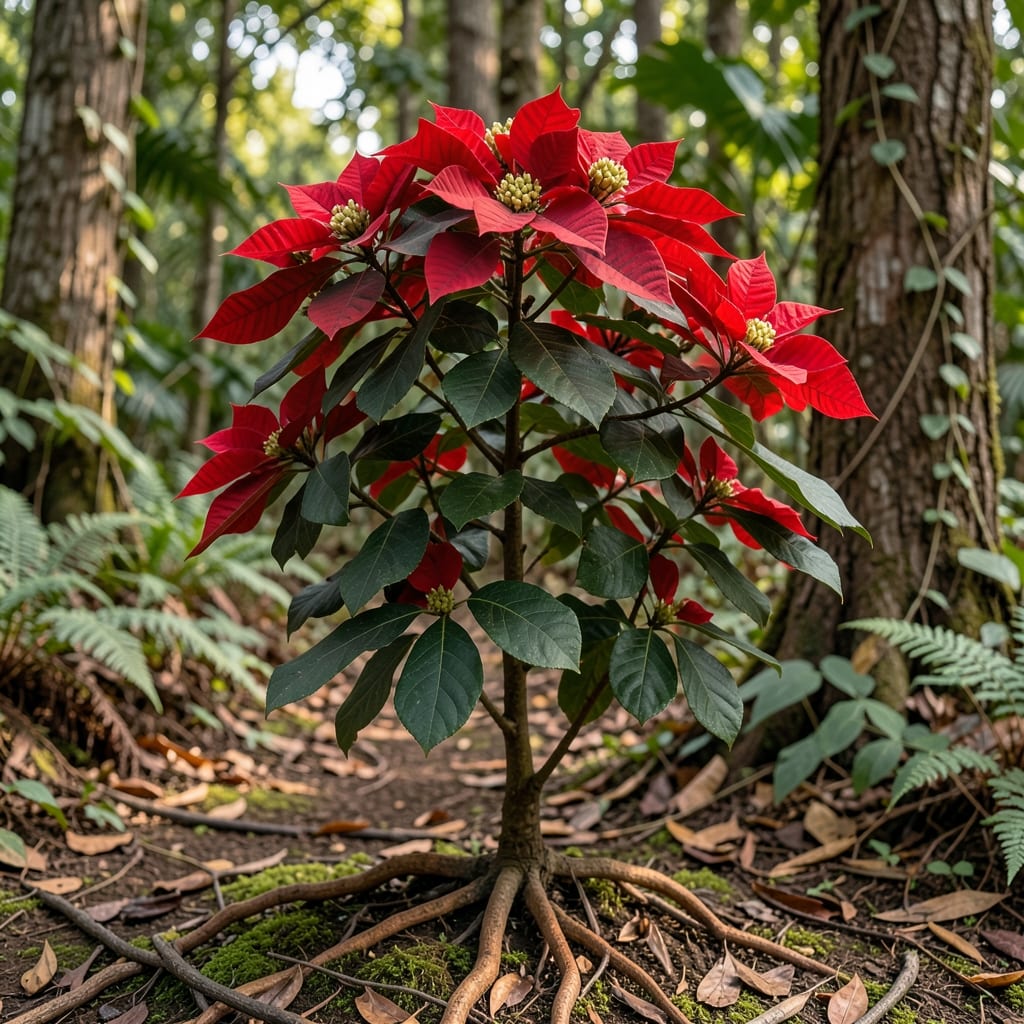
If you’ve ever admired a poinsettia 🎄 and wondered how tall poinsettias can grow in the wild, you’re not alone. The truth is, these vibrant red bracts belong to plants that can stretch to 10 feet or more in their native tropical habitats—far beyond the compact houseplants we typically see.
Native to Central Mexico’s 9b zone, wild poinsettias thrive under ideal conditions that most home gardeners can’t replicate. But understanding their natural growth habits is the key to unlocking their full potential, even in containers or controlled environments. Let’s explore what makes these plants grow so dramatically—and how you can encourage their height at home.
While most store-bought poinsettias are bred to stay small and manageable, their wild relatives tell a different story. With the right care, you can coax your own taller-than-expected poinsettias by mimicking their natural preferences. Think sunlight, soil, and seasonal timing—all factors that play a huge role in their impressive stature.
Ready to grow a poinsettia that puts the giants in its native habitat to shame? I’ll break down exactly how to nurture these towering beauties, from pruning tips to the perfect growing conditions. Let’s get started!

Wild poinsettia species and their staggering heights compared
When you picture a poinsettia 🎄, you likely imagine the compact, 1-2 foot plants sold during the holidays. But in their native Mexican rainforests, these plants can grow into true giants—some reaching 10 feet or taller. The most dramatic examples belong to Euphorbia pulcherrima and its wild relatives, which thrive under vastly different conditions than their domesticated cousins.
The height variations between wild and cultivated poinsettias come down to genetics and environment. While store-bought varieties are bred for compact growth, wild specimens grow tall to compete for sunlight in dense forests. Understanding these differences helps explain why your houseplant stays small while its wild counterparts tower above.
Here’s how the most common wild poinsettia species compare in height, based on observations from their native Central American habitats:
| Species | Native Region | Wild Height Range | Key Growth Factor |
|---|---|---|---|
| Euphorbia pulcherrima | Central Mexico | 8–12 ft | High humidity, rich soil |
| Euphorbia cyathophora | Southern Mexico | 3–6 ft | Drought-tolerant varieties |
| Euphorbia heterophylla | Guatemala/Honduras | 6–10 ft | Fast-growing in wet seasons |
| Euphorbia bicolor | Costa Rica | 4–8 ft | Partial shade tolerance |
The Euphorbia pulcherrima, the species most familiar to gardeners, can reach 12 feet in ideal wild conditions—far surpassing the 1-2 foot height of typical potted varieties. This dramatic difference is due to selective breeding for smaller, more manageable plants in home settings.
In their native tropical forests, these plants grow tall to reach sunlight through dense canopies. The 6–10 foot range for Euphorbia heterophylla in Guatemala highlights how regional climate—particularly heavy rainfall during summer months—fuels rapid vertical growth. Meanwhile, species like Euphorbia cyathophora stay shorter because they’ve adapted to drier, rocky soils.
If you’re growing poinsettias at home, mimicking these wild conditions—especially partial shade and consistent moisture—can encourage taller growth. Even in containers, you can coax heights of 4–6 feet with the right care, though reaching 10 feet requires dedicated space and ideal conditions.
One surprising fact: Wild poinsettias don’t just grow taller—they develop thicker stems and broader canopies to support their height. This structural difference is why they’re far more robust than the delicate stems of commercial poinsettias, which are prioritized for long vase life over durability.
For gardeners in USDA Zone 9b or warmer, growing wild-type poinsettias outdoors is entirely possible. These plants thrive in well-draining, slightly acidic soil (pH 6.0–6.5) and benefit from mulching to retain moisture during their June–August growing season. The key takeaway? Your poinsettia’s height potential isn’t limited to holiday decor—it’s a reflection of its wild heritage.
🌱
Why do wild poinsettias grow so much taller than houseplants?
The stark difference between wild poinsettias and their houseplant cousins boils down to three key factors: genetics, environmental conditions, and selective breeding. In their native Central American rainforests, poinsettias evolve to reach 10+ feet to compete for sunlight in dense canopies. Meanwhile, commercial varieties are bred to stay compact—prioritizing vase life and retail appeal over height.
Wild poinsettias thrive in humid, nutrient-rich soils with consistent rainfall during their June–August growing season. This creates ideal conditions for rapid vertical growth, while domesticated plants are often grown in drier, nutrient-poor soils with limited space. The result? Wild specimens develop thicker stems and broader canopies to support their towering stature.
Here’s how domestication shrinks poinsettias—and how you can reverse it:
Wild Poinsettias
- 🌿 Genetics: Unaltered, fast-growing strains
- 💧 Water: Consistent moisture (rainy season)
- ☀️ Sunlight: Dappled light in forests
- 🌱 Soil: Rich, slightly acidic (pH 6.0–6.5)
- ⏱️ Growth: 3–12 ft in ideal conditions
Domesticated Poinsettias
- 🧬 Genetics: Dwarf varieties (selective breeding)
- 💧 Water: Often over/under-watered
- ☀️ Sunlight: Limited (indoor conditions)
- 🏺 Soil: Sterile potting mix (low nutrients)
- ⏱️ Growth: 1–2 ft (stunted potential)
Even with wild-type poinsettias, reaching 10 feet at home requires replicating their native environment. Start with well-draining, slightly acidic soil and place your plant near an east-facing window for 4–6 hours of indirect light daily. During the summer months, increase watering to mimic tropical rainfall, but avoid soggy soil—root rot is a common killer of fast-growing poinsettias.
Another critical factor is pruning. Wild poinsettias grow tall because they’re not pruned back—unlike commercial plants, which are heavily trimmed to maintain shape. If you want a taller poinsettia, avoid heavy pruning. Instead, pinch back the tips of young plants to encourage bushier growth while still allowing vertical expansion.
The fertility of the soil also plays a huge role. Wild poinsettias thrive in nutrient-rich forests, while potted plants often suffer from sterile soil. Amend your potting mix with compost or worm castings to provide the organic matter these plants crave. A balanced 5-10-10 fertilizer applied every 4–6 weeks during the growing season (June–August) can further boost height.
🌿 For gardeners in USDA Zone 9b or warmer, planting poinsettias outdoors offers the best chance to see their true height potential. In these climates, they can grow 6–12 feet tall with minimal intervention—just ensure they’re in partial shade and well-mulched to retain moisture. Even in containers, you can coax heights of 4–6 feet by following these wild-growing principles.