
How To
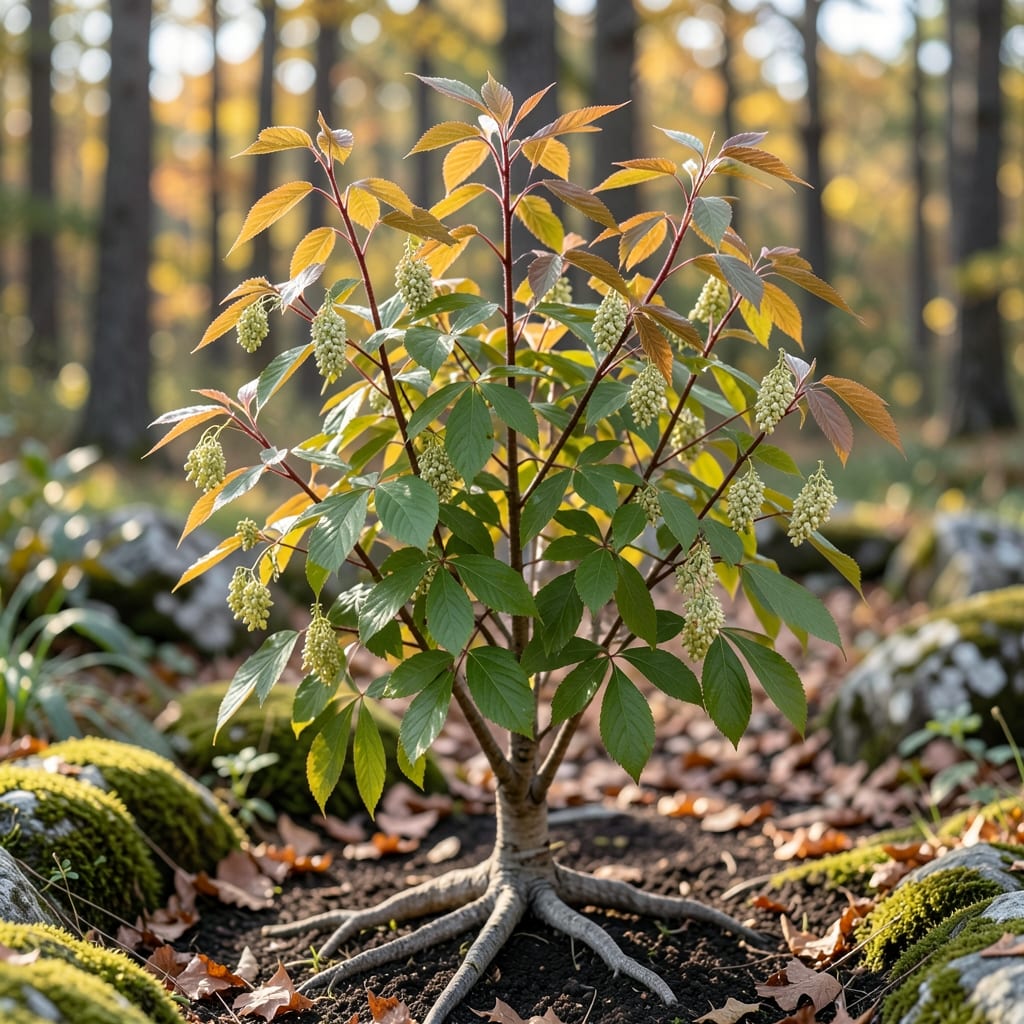
If you've ever spotted a towering, red-stemmed shrub along a wetland or forest edge, you might be looking at poison sumac—a plant that can grow up to 25 feet tall if left unchecked. This invasive giant thrives in Eastern and Central North America, and its height isn't the only reason to take it seriously.
Understanding how tall poison sumac 🌿 can grow is critical for safety, as its sap causes severe skin reactions in most people. Unlike its smaller cousin, poison ivy, this plant stands out with its distinctive height and glossy, waxy leaves. But what makes it grow so tall, and how can you tell it apart from harmless lookalikes?
In this guide, I’ll break down everything you need to know—from its rapid growth habits to the key features that help identify it. Whether you’re dealing with a small patch or a full-blown infestation, recognizing poison sumac early could save you (and your property) from a lot of trouble.
Let’s dive into how this plant reaches such alarming heights and what you can do to control its spread before it becomes a problem.

Poison sumac height: how tall can it grow and what determines its size?
Poison sumac (Toxicodendron vernix) is one of nature's most aggressive invaders, capable of reaching 15 to 25 feet under ideal conditions—sometimes even 30 feet in dense forests. This towering shrub or small tree can grow 3 to 5 feet per year when conditions are perfect, making it a rapid and dangerous spreader in moist, acidic soils near water sources.
Unlike its cousin poison ivy, which stays low to the ground, poison sumac grows vertically, creating a dense canopy that blocks sunlight and crowds out native plants. Its height isn't just an aesthetic concern—it's a health hazard due to its toxic sap, which can cause severe rashes and respiratory issues upon contact.
Now, let's break down the factors that influence its growth and how you can recognize its maximum height in different environments.
| Growth Stage | Height Range | Key Characteristics |
|---|---|---|
| Year 1 | 2–4 feet | Young shoots, bright green leaves, no berries |
| Year 2–3 | 6–10 feet | Reddish stems, compound leaves, early berry formation |
| Mature (5+ years) | 15–25 feet | Tall, dense canopy, white berry clusters, toxic sap |
| Forest Giants | Up to 30 feet | Unchecked growth in wet, shaded areas |
🌿 Height is influenced by sunlight, soil moisture, and competition.
The height of poison sumac is heavily influenced by its environment. In full sun with moist, acidic soil, it grows fastest—often exceeding 20 feet in just 5 years. Conversely, in drier or shaded areas, it may stay shorter (10–15 feet) but remains just as toxic.
Another critical factor is water availability. Poison sumac thrives near ponds, streams, and wetlands, where it can grow 3 times taller than in upland areas. This is why it’s often found along forest edges and swampy regions in the Eastern and Central U.S.
Comparing it to similar plants helps avoid misidentification. While poison ivy stays low (3–5 feet), poison sumac’s vertical growth and red stems make it unmistakable once mature. Its white berry clusters also serve as a warning sign for birds and humans alike.
If you suspect poison sumac on your property, act quickly—its rapid growth rate means it can quickly become unmanageable. The next section will cover how to identify it by height and other key features to ensure you don’t confuse it with harmless lookalikes.
🌳
Poison sumac height: how tall can it grow and what determines its size?
Poison sumac (Toxicodendron vernix) is no small shrub—it can grow between 15 to 25 feet tall under ideal conditions, making it one of the tallest toxic plants in North America. In rare cases, especially near wetlands or with abundant moisture, it may even reach 30 feet, towering over trees and shrubs in its path. This rapid vertical growth is one of the reasons it spreads so aggressively in the wild.
Unlike many ornamental shrubs, poison sumac doesn’t have a "dwarf" variety—its height is determined by environmental factors rather than genetics. If you’ve ever wondered why some plants grow taller than others, the answer lies in sunlight exposure, soil moisture, and climate conditions. Let’s break down what fuels its impressive height and how you can recognize it early.
| Growth Stage | Height Range | Key Features |
|---|---|---|
| Year 1 | 2–4 ft | Thin stems, 7–13 leaflets |
| Year 2–3 | 6–10 ft | Reddish stems, glossy leaves |
| Mature (5+ years) | 15–25 ft | Thick trunk, waxy berries |
The sunlight is a major driver of poison sumac’s height. It thrives in full sun conditions, where it can grow 30% faster than in shaded areas. If you notice a cluster of these plants near a sunny clearing or along a forest edge, you’re likely seeing them at their tallest. Moist, acidic soils also accelerate growth—this is why they’re commonly found near swamps, ponds, or poorly drained areas.
Comparing it to other toxic plants, poison sumac dwarfs poison ivy, which typically stays below 12 feet. The key difference? Poison ivy clings to trees or spreads as a vine, while poison sumac grows upright like a small tree. This distinction is crucial for identification, especially if you’re trying to spot it before it reaches its full height.
Climate plays a role too. In USDA Zone 6a and warmer, poison sumac grows more aggressively due to longer growing seasons. If you live in these regions, early detection is critical—once it reaches 10 feet, removal becomes far more difficult. The good news? Its height also makes it easier to spot from a distance, giving you time to act before it dominates your landscape.
Understanding these growth patterns helps you predict where poison sumac might appear next. Next, we’ll cover how to identify it by height and other distinguishing features—so you can act before it becomes a problem in your yard.