
Size
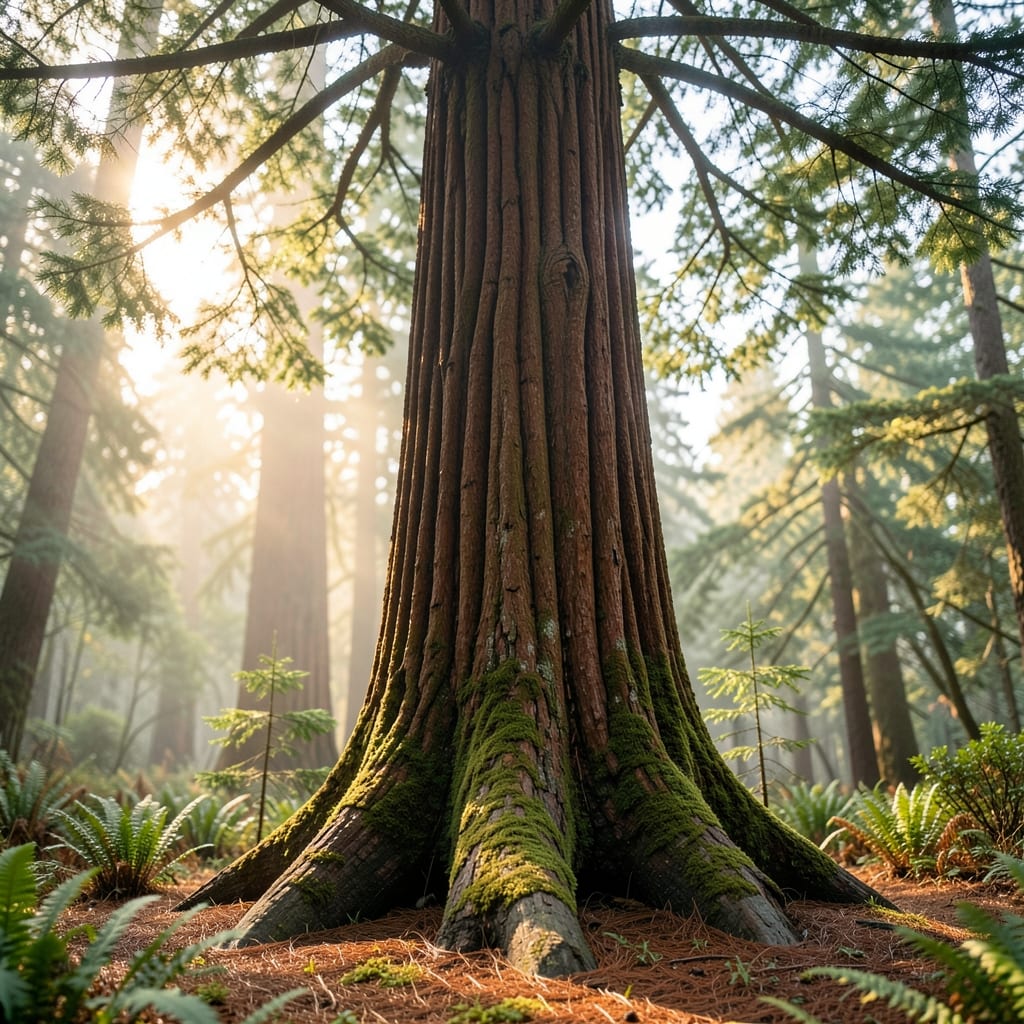
If you’ve ever gazed up at a redwood tree and wondered how tall can redwood trees grow, you’re not alone. These towering giants—like the 🌲 Hyperion, the world’s tallest tree—can stretch over 380 feet, making them the undisputed champions of height in the plant kingdom. But what makes them grow so tall, and could you ever cultivate one in your own backyard?
Redwoods aren’t just tall—they’re engineered for vertical dominance. Their deep root systems, efficient water transport, and thick bark allow them to thrive in USDA Zone 6a and beyond, reaching heights that dwarf even the tallest buildings. While coast redwoods (Sequoia sempervirens) hold the height record, their cousins, the giant sequoias (Sequoiadendron giganteum), win in sheer volume.
Planting a redwood in your garden? Think twice—these trees need space, spring planting in March or April, and plenty of moisture to grow. They’re not your typical backyard addition, but with the right conditions, they can become a living legacy for generations. Let’s break down how they grow so massive and what it takes to nurture them.
From their record-breaking heights to the science behind their growth, you’ll discover why redwoods aren’t just trees—they’re natural skyscrapers. Whether you’re dreaming of a mini-forest or just curious about nature’s giants, this is your guide to understanding their incredible stature.


Redwood tree height records by species: coast redwood vs giant sequoia
When it comes to towering giants of the forest, redwood trees reign supreme—but not all redwoods are created equal. The coast redwood (Sequoia sempervirens) and giant sequoia (Sequoiadendron giganteum) both belong to the same family but have wildly different growth habits. Coast redwoods are the world’s tallest trees, while giant sequoias claim the title for most massive volume. Let’s break down their height records and what makes each species unique.
The tallest coast redwood on record is Hyperion, standing at a breathtaking 380 feet (115.8 meters) tall. This tree, discovered in 2006, holds the Guinness World Record for the tallest known tree on Earth. Meanwhile, the tallest giant sequoia, General Sherman, measures a mere 275 feet (83.8 meters) in height—but its trunk diameter is a staggering 25 feet (7.7 meters), making it the largest tree by volume.
Why the difference? Coast redwoods thrive in the foggy, moist climates of California’s coast, where they can grow taller to reach sunlight. Giant sequoias, on the other hand, dominate in the drier Sierra Nevada mountains, where their massive trunks store water and nutrients for survival. Their growth strategies are as different as their habitats.
Here’s a side-by-side comparison of their height records, growth rates, and other key traits:
| Feature | Coast Redwood (Sequoia sempervirens) | Giant Sequoia (Sequoiadendron giganteum) |
|---|---|---|
| Record Height | 380 ft (Hyperion) | 275 ft (General Sherman) |
| Average Height | 200–250 ft | 150–250 ft |
| Growth Rate | 1–2 ft per year (young) | 0.5–1 ft per year (slower) |
| Trunk Diameter | Up to 20 ft | Up to 25 ft (largest in world) |
| Habitat | Coastal fog belts (CA, OR) | Mountain slopes (Sierra Nevada) |
| Lifespan | 1,200–2,200 years | 2,000–3,200 years |
While coast redwoods shoot skyward, giant sequoias prioritize width and longevity. Their massive trunks store water like natural reservoirs, allowing them to survive in drier conditions. Coast redwoods, however, rely on constant fog and moisture to fuel their rapid vertical growth.
If you’re dreaming of planting a redwood in your garden, remember: these trees aren’t just tall—they’re patient. A coast redwood might grow 1–2 feet per year in ideal conditions, but reaching 200 feet takes centuries. Giant sequoias grow even slower but live longer, often exceeding 3,000 years.
For home gardeners, neither species is practical—redwoods need massive space, deep soil, and ideal climates. But if you’re designing a large landscape or public park, these giants can become the centerpiece of your outdoor vision. Just be prepared to wait (and wait some more) for them to reach their full potential.
Next, we’ll dive into the science behind their towering growth, from their unique root systems to how they transport water to the treetops. Spoiler: it’s nothing short of engineering marvels of the plant world.
How redwood trees grow so tall: science behind their vertical dominance
Redwood trees don’t just grow tall—they engineer their own skyscrapers using nature’s most advanced techniques. Their ability to reach 300+ feet isn’t luck; it’s a combination of evolutionary adaptations that outperform even human-made structures. Let’s unpack the secrets behind their vertical dominance, starting with their root systems, which act like underground skyscrapers.
Their roots spread wider than their height, creating a vast network that stabilizes the tree while absorbing moisture from deep soil layers. Unlike shallow-rooted trees, redwoods develop lateral roots that extend 100+ feet outward, anchoring them like a forest’s own suspension bridge. This design allows them to resist wind shear and compete for water in dense forests.
But roots alone aren’t enough—redwoods also master the art of water transport. Their xylem vessels are wider and more efficient than most trees, allowing water to travel 380 feet upward without clogging. This is critical because transpiration (water evaporation through leaves) creates a natural vacuum that pulls water upward. In redwoods, this system is 10x more efficient than in oak trees, enabling them to grow taller without suffocating from their own weight.
| Growth Factor | Redwood Adaptation | Why It Matters |
|---|---|---|
| Root System | 100+ ft lateral spread | Stabilizes height, accesses deep water |
| Xylem Efficiency | 10x wider vessels | Prevents water transport blockages |
| Bark Thickness | Up to 2 ft thick | Fire resistance, moisture retention |
| Photosynthesis | Needle-like leaves | Reduces water loss in height |
| Fog Utilization | Absorbs moisture from air | Supplements deep water needs |
Their thick bark (up to 2 feet thick) isn’t just for show—it acts as a fireproof shield and moisture reservoir, allowing them to survive wildfires and droughts. Meanwhile, their needle-like leaves minimize water loss, a critical adaptation for trees that grow so tall. Even their branch structure is optimized: lower branches fall off as they mature, reducing wind resistance and allowing sunlight to reach the canopy.
One of their most underrated superpowers? Fog harvesting. In coastal climates, redwoods absorb moisture directly from fog through their leaves, supplementing their deep root systems. This adaptation explains why coast redwoods grow taller than their mountain-dwelling cousins—they have a dual water supply system. Without this fog advantage, their height potential would be drastically limited.
For gardeners dreaming of growing redwoods, understanding these adaptations is key. While you can’t replicate a foggy California coast in your backyard, you can mimic their needs: plant in well-draining, acidic soil, provide consistent moisture, and give them space to spread their roots. Just remember—these trees grow at a snail’s pace, so patience is your most important tool.
Next, we’ll explore the factors that limit redwood growth, from climate constraints to human impacts that could shrink their future heights. The science behind their growth is impressive, but their survival depends on preserving the right conditions.