
How To
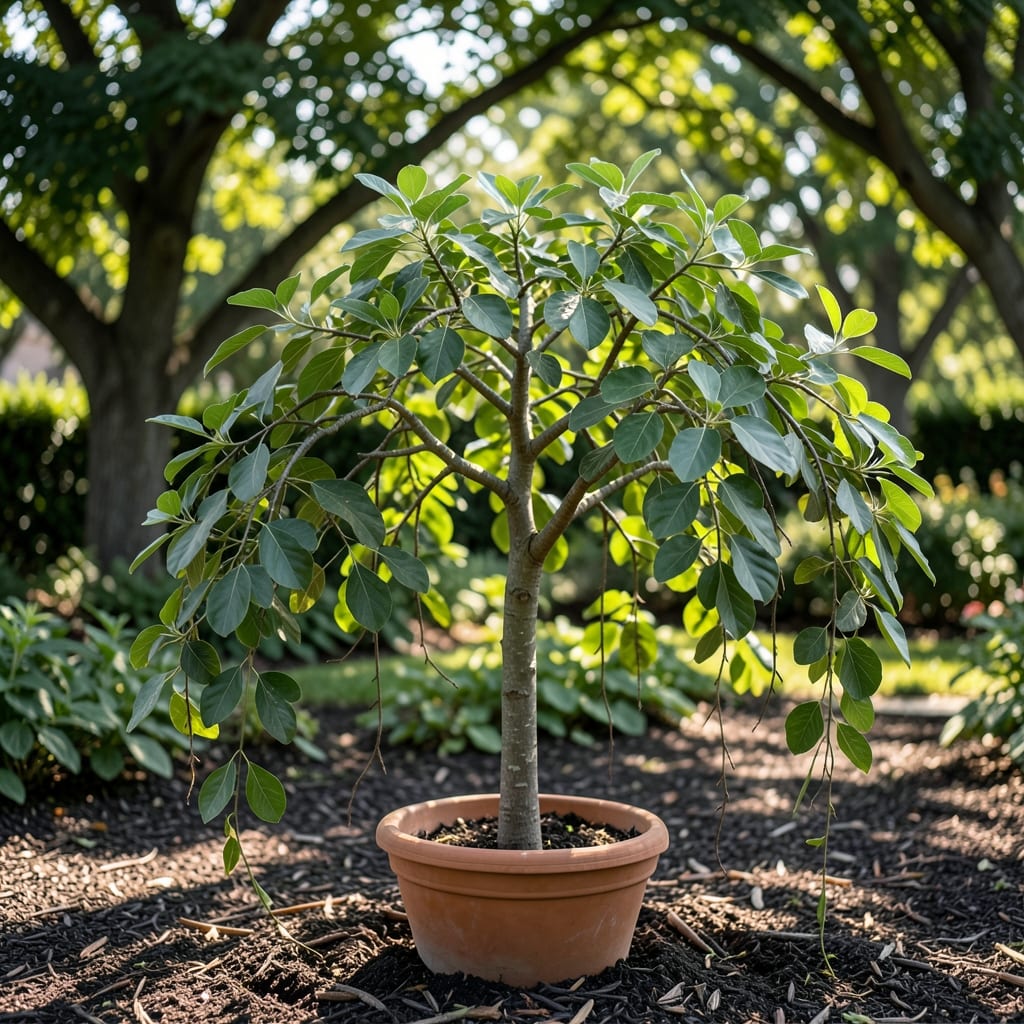
Curious about how tall your Benjamin fig tree 🌳 could grow? The answer depends on whether you're nurturing it indoors or letting it stretch its branches outdoors—and the differences might surprise you.
Indoor Benjamin fig trees often stay between 10 to 15 feet tall, especially when pruned regularly. But if you skip pruning, that same tree could easily reach 20 to 25 feet over time, turning your living room into a jungle. The key? Light exposure and container size play huge roles in controlling its vertical ambitions.
Outdoors, things get even more interesting. In ideal conditions—like USDA Zone 6a—your Benjamin fig tree could tower over your roof, hitting 25 to 30 feet or more. That’s not just a houseplant anymore; it’s a statement piece for your yard.
Want to keep it manageable? I’ll show you how to prune for perfect height—whether you’re aiming for a compact 6-foot indoor tree or a controlled outdoor shrub. Let’s dive in!


Benjamin fig tree height limits: indoor growth potential explained
If you’re growing a Benjamin fig tree indoors, its height depends heavily on light exposure and container size. Without pruning, these trees can stretch toward 20 to 25 feet, turning your living room into a vertical jungle. But with proper care, you can keep it between 6 to 15 feet, making it perfect for apartments or offices.
The key to controlling height indoors is pruning and light management. Benjamin figs thrive near south-facing windows where they get 6+ hours of sunlight. If your tree isn’t getting enough light, it’ll grow leggy and tall in search of light, which is why many indoor growers end up with towering specimens.
Here’s what you can expect for indoor growth:
| Growth Stage | Height Range | Key Factors |
|---|---|---|
| Year 1 | 2–4 feet | Light exposure, pot size |
| Year 2 | 6–8 feet | Pruning frequency, sunlight |
| Year 3+ | 10–15 feet (or 20+ if unpruned) | Container constraints, light control |
If your Benjamin fig tree is growing too tall, it’s not too late to prune it back. The best time to prune is in early spring before new growth starts. You can also do light pruning throughout the year to maintain shape and control height. Just avoid cutting back more than one-third of the foliage at once, or you risk shocking the tree.
Another trick to keep your Benjamin fig tree compact is to rotate it regularly. This ensures even growth and prevents it from leaning toward the light source. A slow-growing variety or a dwarf cultivar can also help if you’re short on space—these stay between 6 to 10 feet tall with proper care.
For those with limited ceiling space, consider growing your Benjamin fig tree as a bushier shrub instead of a tall tree. Prune the top growth to encourage lateral branches, which will give you a fuller, more manageable plant. This works especially well in small containers, where root growth is naturally restricted.
One common mistake is assuming that larger pots equal taller trees. While bigger containers give roots more room to spread, they don’t necessarily prevent vertical growth. The real height control comes from light management and pruning discipline. If you’re growing your tree in a 10-gallon pot or larger, expect faster growth unless you’re actively pruning.
If you’re wondering whether your Benjamin fig tree can outgrow its space, the answer is yes—but you can manage it. With the right approach, you can enjoy a healthy, 6-to-10-foot indoor tree that fits perfectly in your home. The key is consistency in light, pruning, and container size.
Ready to take control of your tree’s height? Start by assessing its current light exposure and pruning needs—your ceiling (and future guests) will thank you! 🌿
Outdoor Benjamin fig tree growth: can it reach 30+ feet?
When your Benjamin fig tree 🌳 moves outdoors, its growth potential skyrockets. In ideal conditions—like USDA Zones 9-11—these trees can easily reach 25 to 30 feet or taller, turning into majestic shade trees. But even in cooler climates like Zone 6a, with proper care, they’ll still grow 15 to 20 feet tall, making them a stunning landscape feature.
The key difference outdoors is unrestricted root growth and full sunlight exposure. Unlike indoor containers, outdoor soil provides endless nutrients and space for roots to spread, fueling rapid vertical growth. Without pruning, a Benjamin fig tree can become a towering specimen in just 5 to 10 years, depending on your climate.
| Climate Zone | Mature Height | Growth Rate | Key Factors |
|---|---|---|---|
| Zones 9-11 | 25–30+ ft | Fast (12+ ft/decade) | Full sun, rich soil, minimal pruning |
| Zones 6a-8 | 15–20 ft | Moderate (8–10 ft/decade) | Pruning needed, cooler winters |
| Containers (Outdoor) | 8–12 ft | Slow (4–6 ft/decade) | Root-bound, regular pruning |
If you’re in a warmer climate, your Benjamin fig tree will grow aggressively if left unchecked. I’ve seen these trees in Southern California reach 30 feet in under 15 years, especially when planted near a south-facing wall that maximizes sunlight. In contrast, cooler zones like Zone 6a will slow growth, but with winter protection (like mulch or burlap wraps), you can still achieve 15-foot heights.
Soil quality also plays a huge role. Benjamin fig trees thrive in well-draining, slightly acidic soil (pH 6.0–7.0). If your soil is clay-heavy or waterlogged, growth will slow dramatically, and the tree may develop root rot. Amending the soil with compost or sand can help speed up growth and encourage taller, healthier specimens.
Pruning outdoors is different than indoors. While indoor trees benefit from regular trimming, outdoor Benjamin figs often need structural pruning to maintain shape and prevent weak branches. The best time to prune outdoors is late winter or early spring, just before new growth begins. This helps redirect energy toward vertical growth or bushier foliage, depending on your goals.
One surprising fact: Benjamin fig trees grown outdoors often develop aerial roots, which can add to their dramatic appearance. These roots don’t harm the tree but can make it look like a mini rainforest in your yard. If you’re aiming for a neat, manicured look, you’ll need to prune these roots regularly.
For those in cooler climates, winter care is critical. Without protection, temperatures below 20°F can damage or kill your tree. Wrapping the trunk with burlap or using a tree blanket can make all the difference in maintaining healthy growth come spring. With the right care, even in Zone 6a, your Benjamin fig tree can still reach 15 feet and thrive for decades.