
Size
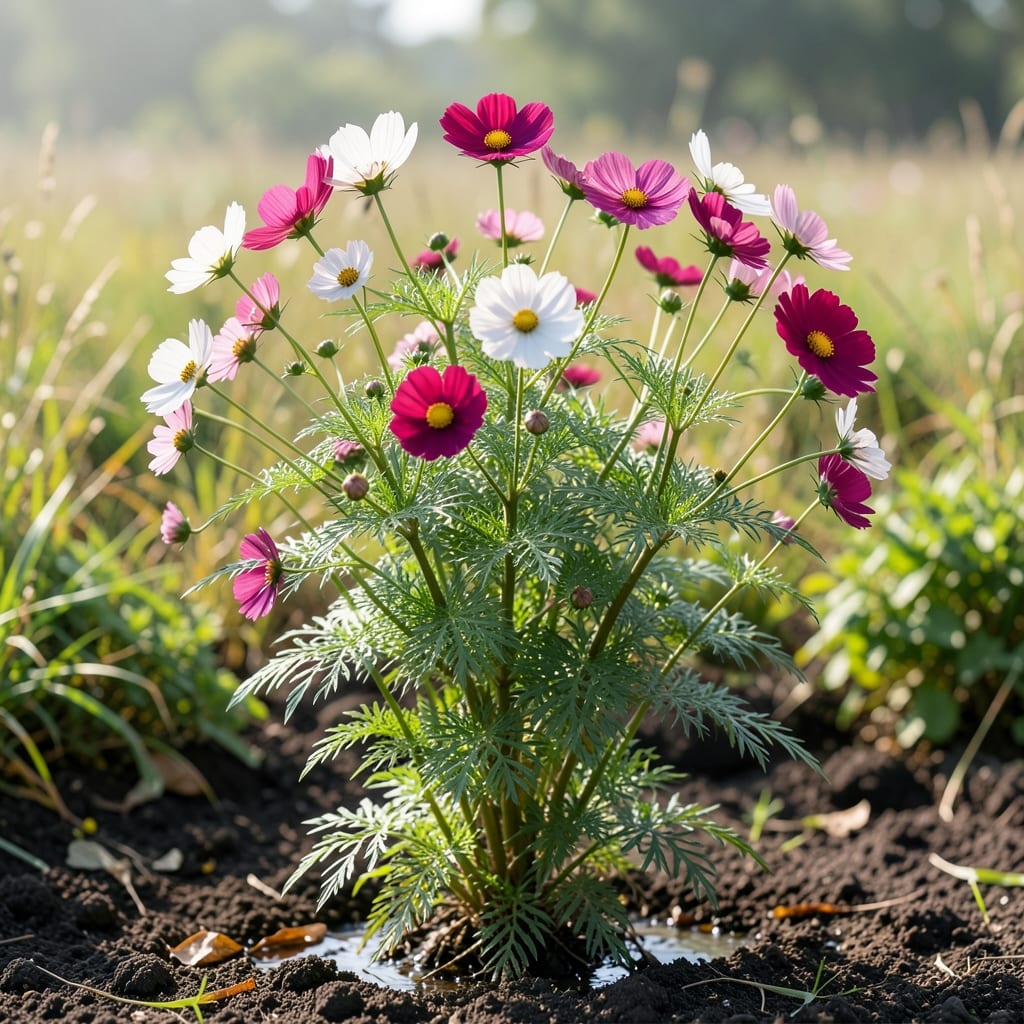
If you’ve ever wondered just how tall cosmos 🌼 can grow—and whether they’ll turn your garden into a floral skyscraper—you’re in the right place. These cheerful blooms are famous for their dramatic height variations, ranging from dainty dwarf varieties to towering giants that reach 6 feet or more.
But here’s the catch: their final height depends on more than just the variety you pick. Sunlight, soil quality, and even when you prune can send those stems shooting up or keep them compact. I’ll break down the exact heights of popular cosmos types and share practical tips to control their growth—whether you want a bushy border or a lanky centerpiece.
Whether you’re planning a container garden or a full sunbed, knowing these details means fewer surprises and more stunning blooms. Let’s dive into the science (and secrets) behind how tall cosmos grow—and how to shape them to your garden’s needs.
From dwarf varieties that stay under 2 feet to towering standards that rival your fence, the possibilities are endless. Ready to turn your cosmos into the star of your outdoor space?


Exact height ranges of popular cosmos varieties (with growth charts)
Cosmos plants are famous for their dramatic height variations, but not all varieties reach the same skyward heights. The Cosmos bipinnatus (the classic garden cosmos) typically grows between 2 to 5 feet, while Cosmos sulphureus varieties can stretch up to 6 feet in ideal conditions. Even within the same species, dwarf and giant cultivars create a world of difference in your garden layout.
If you’re planning a container garden, you’ll want to focus on dwarf varieties like 'Purity' or 'Dwarf Sensation', which max out around 18 to 24 inches. On the other end of the spectrum, 'Bright Lights' and 'Sea Shells' can easily top 5 feet, making them perfect for backyard borders or cut-flower arrangements. Below, I’ve broken down the exact height ranges for the most popular cosmos varieties—so you can pick the perfect fit for your space.
Cosmos Height Comparison 🌼
| Variety | Height Range | Best For | Seasonal Growth |
|---|---|---|---|
| Cosmos bipinnatus 'Purity' | 12–18 in | Containers, borders | Slow early, then steady |
| Cosmos bipinnatus 'Sensation' | 18–24 in | Cut flowers, small gardens | Moderate, bushy habit |
| Cosmos bipinnatus 'Bright Lights' | 3–5 ft | Backdrop, tall arrangements | Rapid vertical growth |
| Cosmos sulphureus 'Sunset' | 4–6 ft | Dramatic focal points | Tallest in full sun |
| Cosmos bipinnatus 'Sea Shells' | 2–4 ft | Mixed borders, pollinators | Medium, branching habit |
Note: Heights can vary by 20–30% based on sunlight and soil quality.
One of the biggest misconceptions about cosmos is that they all grow tall and leggy. In reality, their height depends heavily on the variety you choose. For example, 'Purity' stays compact, making it ideal for window boxes or balcony gardens, while 'Sunset' cosmos can reach 6 feet in a single season—perfect for creating a natural privacy screen or dramatic garden focal point.
If you’re growing cosmos in containers, opt for dwarf varieties or prune taller types regularly to keep them manageable. A 5-gallon pot can comfortably hold a 2-foot-tall cosmos, but anything taller will need deeper containers and staking for support. For in-ground planting, give taller varieties at least 18 inches of spacing to prevent overcrowding and compete for nutrients.
Another key factor is seasonal growth patterns. Cosmos planted in early spring (after the last frost) will often bolt taller than those sown later in the season. If you’re in a warmer climate, like USDA Zone 8 or higher, you might see faster growth and greater height compared to cooler regions. For example, in Zone 6, cosmos may only reach 3–4 feet unless given extra care.
Pro tip: If you’re growing cosmos for cut flowers, prioritize taller varieties like 'Bright Lights' or 'Sea Shells'. Their long stems (often 2–3 feet) make them ideal for bouquets and arrangements. Just be sure to harvest in the morning when stems are firm and hydrated for the longest vase life.
For beginner gardeners, I recommend starting with 'Sensation' or 'Purity'—they’re low-maintenance, disease-resistant, and forgiving if you accidentally skip a watering. But if you’re ready to experiment, taller cosmos like 'Sunset' will reward you with stunning vertical drama in your garden.
Remember, cosmos are annuals, so their height is determined by the current growing season. Unlike perennials, they won’t keep growing taller each year—so plan accordingly if you’re designing a permanent garden layout. With the right variety and care, you can have cosmos that dwarf your neighbors’ sunflowers or stay neatly contained in a small pot
How pruning affects cosmos height: when and how to cut for bushier or taller growth
Pruning is the secret weapon for shaping cosmos 🌼—whether you want them to stay compact for containers or reach their full 6-foot potential. The right cuts can encourage bushier growth by triggering more side branches or promote taller stems for dramatic backdrops. But timing and technique matter: prune too late, and you’ll stunt blooms; too early, and you risk leggy stems.
Most gardeners focus on deadheading (removing spent flowers) to extend the blooming season, but strategic pruning can also control height. For example, cutting back 1/3 of the plant’s height in early summer often results in a second flush of blooms and thicker stems. I’ve seen cosmos that would’ve flopped in containers become perfectly proportioned after just one pruning session.
The key is to prune when the plant is actively growing—typically in early spring or mid-summer. Avoid cutting back in fall, as the plant needs energy to store nutrients for next year’s growth. Use clean, sharp shears to make cuts just above a leaf node, where new growth will emerge. This simple step can turn a tall, sparse cosmos into a full, bushy plant in weeks.
🌱 Step-by-Step Pruning Guide for Cosmos Height Control
- 1 Early Spring Pruning: Cut back 1/3 of the plant’s height to encourage bushier growth and prevent legginess.
- 2 Mid-Summer Deadheading: Snip off spent blooms to redirect energy to new flowers and maintain height.
- 3 Avoid Fall Pruning: Never cut back after September, as it weakens the plant’s winter hardiness.
- 4 Use Clean Tools: Sterilize shears with rubbing alcohol to prevent disease spread between cuts.
One common mistake I see is pruning too aggressively in late summer, which can delay fall blooms. Instead, focus on light trimming to maintain shape and remove any damaged or diseased stems. If you’re growing cosmos in containers, pruning is even more critical—regular cuts keep them from becoming top-heavy and flopping over.
For taller varieties like ‘Cosmos bipinnatus,’ you can let them grow unpruned for a wild, natural look, but stake them if needed. For dwarf varieties, pruning isn’t usually necessary, but pinching back the top set of leaves can encourage a fuller shape. The goal is to match the pruning style to your garden’s needs—whether that’s a structured hedge or a loose, romantic border.
Pro tip: If you want extra-tall cosmos, avoid heavy pruning entirely and focus on support structures like stakes or cages. For bushier growth, prune early and often. Either way, your cosmos will thank you with longer blooming seasons and healthier stems. 🌿