
How To
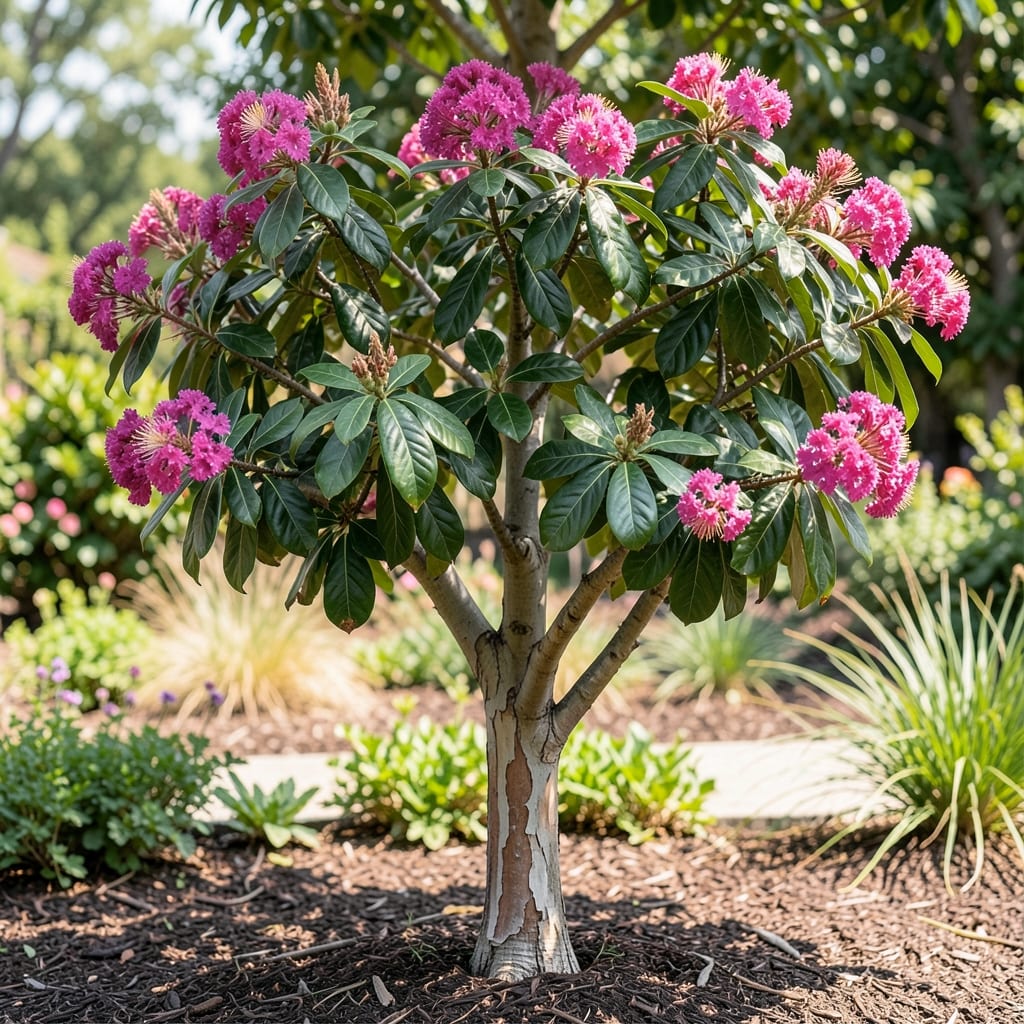
Wondering how tall crepe myrtles grow before you commit to planting one? These stunning 🌸 trees can reach heights from modest 6 feet to towering 30 feet, depending on the variety—and that’s where the magic (and planning) happens.
You might picture a single, predictable height, but crepe myrtles come in dwarf, semi-dwarf, and standard sizes, each with its own growth story. Whether you’re dreaming of a privacy screen or a showstopper centerpiece, knowing these differences helps you pick the perfect fit for your space—and avoid surprises down the road.
Here’s the game-changer: pruning and your local climate play huge roles in controlling height. A little strategic trimming can keep even the tallest varieties in check, while regional weather can speed up or slow down growth. Let’s break down how to choose the right size and keep it there without sacrificing those gorgeous blooms.
Ready to transform your yard with confidence? You’ll learn which varieties stay short, how to prune for ideal height, and the simple secrets that keep crepe myrtles looking their best—no guesswork required.

Crepe myrtle height by variety: from dwarf to giant trees
Crepe myrtles aren’t one-size-fits-all—some stay compact enough for small yards, while others reach three-story heights. The key? Choosing the right variety for your space. Let’s dive into the most popular types and their mature sizes, so you can pick the perfect fit for your landscape design.
Your first decision: dwarf, semi-dwarf, or standard? Dwarf varieties like 'Arapaho' max out at 10-12 feet, making them ideal for urban gardens or as accent plants. Meanwhile, standard types like 'Muskogee' can soar to 25-30 feet, perfect for privacy screens or focal points in large yards.
Here’s the game-changer: growth rates vary wildly. A dwarf crepe myrtle might reach its mature height in 3-5 years, while a standard variety could take 10+ years. Spacing matters too—plant dwarf varieties 6-8 feet apart and standard types 15-20 feet apart to avoid future crowding.
Climate plays a role too. In hot, humid regions (like the South), crepe myrtles grow faster and taller. In cooler zones (like USDA Zone 6), growth slows, keeping them slightly shorter. Always check your local hardiness zone when selecting a variety.
Now, let’s talk bloom time. Taller varieties often flower later in the season (July-September), while dwarf types may bloom earlier (June-July). This affects your yard’s seasonal color palette—plan accordingly!
Pro tip: Check the tag when buying. Nurseries often label varieties by height, but some "dwarf" types can still surprise you. When in doubt, ask for 'compact' or 'miniature' labels—they’re the most reliable for small spaces.
| Variety | Mature Height | Growth Rate | Ideal Spacing | Best For |
|---|---|---|---|---|
| 'Arapaho' | 10-12 ft | Moderate (3-5 yrs) | 6-8 ft apart | Small yards, containers |
| 'Tonto' | 12-15 ft | Fast (4-6 yrs) | 8-10 ft apart | Medium yards, hedges |
| 'Muskogee' | 25-30 ft | Slow (10+ yrs) | 15-20 ft apart | Large yards, privacy |
| 'Catawba' | 18-22 ft | Moderate (6-8 yrs) | 12-15 ft apart | Medium-large yards |
| 'Sioux' | 6-8 ft | Slow (5+ yrs) | 5-6 ft apart | Containers, patios |
Still unsure which to pick? Consider your yard’s layout. Need a quick privacy screen? Go for 'Catawba'—it grows fast and stays dense. Want a low-maintenance specimen tree? 'Arapaho' delivers drama without the height.
Remember: soil quality matters. Poor soil can stunt growth, while rich, well-draining soil helps crepe myrtles hit their full potential. Amend your planting hole with compost or aged manure to give your tree the best start.
Once planted, mulch around the base to retain moisture and suppress weeds. This small step keeps your crepe myrtle healthy and on track for its expected height—no surprises!
Now that you’ve got the height breakdown, let’s talk pruning secrets to keep your crepe myrtle at your desired size—coming up next!
Pruning secrets to control crepe myrtle height naturally
Pruning isn’t just about keeping your crepe myrtle manageable—it’s the secret weapon to control its height while encouraging lush, vibrant blooms. The right cuts at the right time can reduce height by 30-50% without harming the tree. But timing is everything—prune too late, and you risk stunted flowering next season.
Start with winter pruning (dormant season, late February-March). This is when you shape the tree’s structure by removing dead, crossing, or weak branches. Focus on the lower branches first to open up the trunk and create that iconic multi-trunk look crepe myrtles are known for.
Here’s the golden rule: Never prune more than 25% of the tree’s foliage in one session. Over-pruning stresses the tree and can lead to excessive height growth as it compensates. Use clean, sharp pruners to make cuts just above a bud or branch collar—this ensures faster healing and cleaner regrowth.
🌿 For height control, aim to prune 1-2 feet off the top annually during winter. This keeps the tree proportional to your space while maintaining its natural shape. Avoid summer pruning unless you’re removing water sprouts or suckers—cutting back in summer can delay blooming and encourage leggy growth.
🌱 Step-by-Step Pruning Guide
- Step 1: Wait until late winter (after last frost) to prune dormant trees.
- Step 2: Remove dead or diseased branches first—cut at the branch collar.
- Step 3: Thin out crossing branches to improve airflow and sunlight.
- Step 4: Trim 1-2 feet off the top to control height (use a hand saw for thicker branches).
- Step 5: Shape the tree by shortening outer branches to encourage bushiness.
- Step 6: Clean up all pruned material to prevent disease.
Pro tip: Prune in stages if your tree is overgrown. Cut back one-third of the height in the first year, then adjust in winters 2 and 3 to avoid shocking the tree. This gradual approach keeps it healthy and balanced while you guide its growth.
Ever wonder why some crepe myrtles grow wildly tall while others stay compact? It often comes down to pruning habits. Skipping winter pruning or pruning at the wrong time can send your tree into a growth spurt mode. Next up, we’ll uncover the 5 biggest mistakes that turn crepe myrtles into unruly giants—and how to fix them.
🪴 Ready to take control? Grab your pruners and start shaping your tree’s future—your yard (and neighbors) will thank you!