
Vegetables
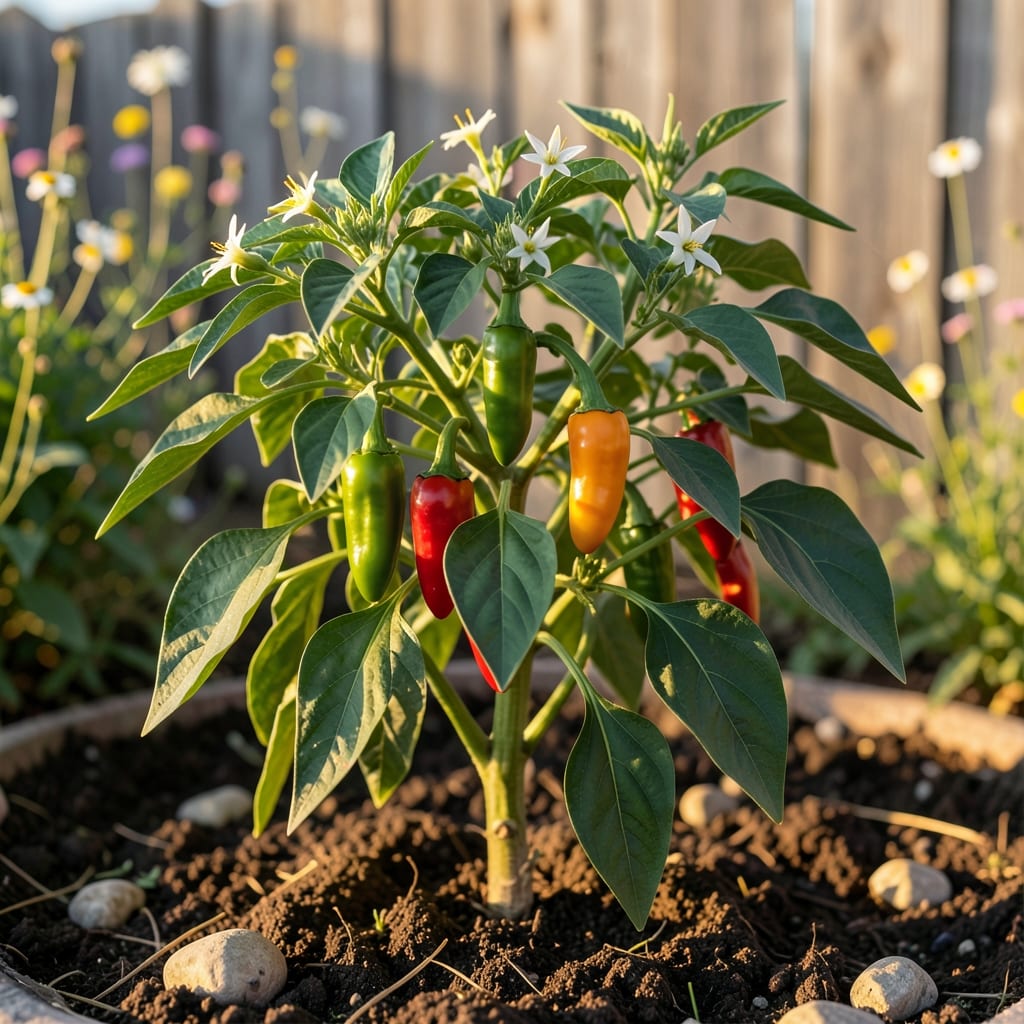
If you're wondering how tall do Anaheim pepper plants grow, you might be surprised to learn they can reach 3 to 4 feet—taller than many gardeners expect! These 🌶️ plants thrive with the right care, but their height depends on variety, pruning, and sunlight exposure.
For gardeners with limited space, the good news is that Anaheim peppers adapt well to containers or small plots. With proper pruning, you can even keep them under 2 feet while still enjoying a bountiful harvest. The key is understanding their growth habits early.
In this guide, I’ll break down what to expect at each stage, from seedlings to mature plants, and share space-saving tricks to optimize your garden layout. Whether you’re a beginner or a seasoned grower, these insights will help you make the most of your Anaheim pepper patch.
From spacing recommendations to pruning techniques, you’ll discover how to control height without sacrificing yield. Let’s get started!


Standard Anaheim pepper plant height: what to expect at each growth stage
Understanding how tall Anaheim pepper plants grow starts with recognizing their natural growth pattern. Most standard varieties reach 3 to 4 feet at maturity, but their height progression varies by growth stage. In their first year, you’ll typically see 2 to 3 feet of growth, while established plants can stretch taller in subsequent years.
These peppers grow as indeterminate plants, meaning they continue producing new branches and peppers throughout the growing season. Without intervention, they can become leggy and sprawling, which is why pruning plays a crucial role in managing their height and structure.
Climate also influences growth speed. In warmer regions (USDA Zones 9-11), Anaheim peppers may grow faster and reach their full height earlier in the season. Conversely, in cooler climates (like Zone 6a), growth may slow, resulting in a more compact structure.
Here’s a quick breakdown of their growth stages and typical heights:
| Growth Stage | Height Range | Key Characteristics |
|---|---|---|
| Seedling | 6–12 inches | Thin stems, 4–6 leaves; needs support if leggy. |
| Vegetative Growth | 1–2 feet | Rapid stem elongation; first flowers appear. |
| First Fruiting | 2–3 feet | Peppers form; prune to encourage bushier growth. |
| Mature Plant | 3–4 feet | Full canopy; requires staking or caging for support. |
If you’re growing Anaheim peppers in containers, their height may be slightly reduced due to root restriction, but they’ll still need vertical support. Without pruning, these plants can become top-heavy and prone to breaking, especially in windy conditions.
To encourage a more compact growth habit, focus on providing 6+ hours of sunlight daily and well-draining soil. Overcrowding or poor soil nutrition can stunt growth, while excessive nitrogen can lead to lush foliage at the expense of pepper production.
Pruning isn’t just about height control—it also improves air circulation, reducing the risk of fungal diseases like powdery mildew. I recommend starting pruning when plants reach 12–18 inches tall to shape them early in the season.
For gardeners in small spaces, consider training your Anaheim peppers vertically using trellises or tomato cages. This not only saves space but also makes harvesting easier and reduces pest access to the lower branches.
Remember, the goal isn’t to stifle growth but to guide it. With the right techniques, you can enjoy a productive Anaheim pepper plant that fits your garden’s layout—whether it’s a sprawling 4-foot giant or a neatly pruned 2-foot bush.
Standard Anaheim pepper plant height: what to expect at each growth stage
When you plant Anaheim peppers, their height progression can vary dramatically depending on growing conditions. Most standard varieties reach 3 to 4 feet tall at maturity, but they start small—typically 6 to 12 inches in their first month. Understanding these stages helps you plan your garden layout and support structures early.
The growth journey begins with seedlings that sprout in 10 to 14 days and grow rapidly once transplanted. By 6 weeks, they’ll stand 1 to 2 feet tall, with bushier varieties maturing slightly shorter than indeterminate types. The key difference? Indeterminate Anaheims keep growing taller and producing peppers all season, while bush varieties max out earlier.
Here’s what to expect at each stage, including how climate and care influence their height:
| Growth Stage | Height Range | Key Notes |
|---|---|---|
| Seedling (0–4 weeks) | 6–12 inches | Slow initial growth; needs full sun. |
| Juvenile (4–8 weeks) | 1–2 feet | Rapid vertical growth; stake if needed. |
| Mature (8+ weeks) | 3–4 feet | Indeterminate types keep growing; prune for control. |
| Climate Impact | Varies | Warmer zones = taller growth; cooler = shorter. |
If you’re growing Anaheims in cooler climates (USDA Zones 6–8), expect slightly shorter plants—around 2 to 3 feet—due to slower growth rates. In hotter zones (9–10), they may stretch toward 4 feet or more without pruning. To manage height, focus on pruning lateral branches early in the season, which encourages bushier growth and better air circulation.
Another factor affecting height is sunlight exposure. Anaheims need 6+ hours of direct sun daily, but too much shade can stunt their growth. If your garden gets partial sun, supplement with a reflective surface or move potted plants to sunnier spots during the day. This simple tweak can add 6–12 inches to their mature height.
For gardeners with limited vertical space, consider training your plants to grow upward using cattle panels or trellises. This not only saves space but also makes harvesting easier. Just be sure to tie stems gently with soft plant ties to avoid damaging the stems as they grow.
Finally, remember that over-fertilizing with nitrogen can lead to leggy, tall plants with fewer peppers. Stick to a balanced 5-10-10 fertilizer and apply it sparingly—about 1 tablespoon per plant every 4–6 weeks during the growing season. This keeps your Anaheims compact and productive.