
Flowers
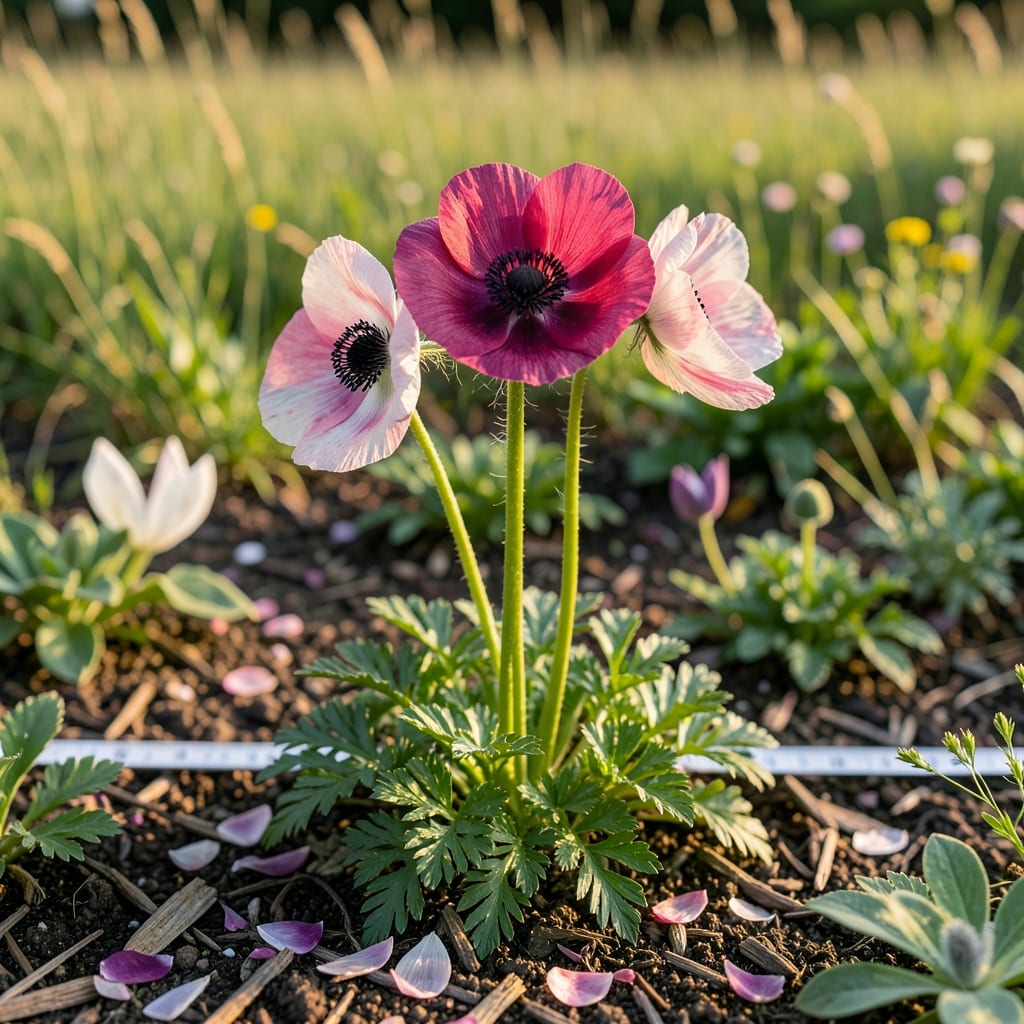
Wondering how tall do anemone flowers grow in your garden? These delicate yet striking blooms can surprise you with their height range, from dainty woodland varieties to towering perennial showstoppers. Whether you're planning a cozy cottage garden or a bold landscape statement, knowing your anemone’s mature size is key to perfect placement and care.
The answer depends entirely on the variety—some stay compact at just 6-12 inches, while others like the Japanese anemone reach 4-5 feet tall. That means your spacing and support needs will vary dramatically. For example, the low-growing windflower thrives in borders, while taller types need staking or grouping to prevent flopping.
Beyond variety, factors like sunlight, soil quality, and pruning habits can influence height. A well-fed anemone in partial shade might grow taller than one struggling in poor conditions. I’ll break down how to control growth naturally—whether you want bushier blooms or more vertical drama.
Ready to plan your dream anemone display? Let’s dive into the specifics so you can choose the perfect types for your space, from petite 🌸 woodland charmers to bold statement plants that steal the show.


Anemone flower height by variety: from dwarf to towering giants
Anemones offer a stunning range of heights, from tiny woodland charmers to towering perennial giants. The height of anemone flowers depends entirely on the variety, with some reaching just 6 inches while others soar to 6 feet. Understanding these differences helps you plan your garden layout—whether you need low-growing border plants or dramatic back-of-the-border showstoppers.
For example, the Anemone nemorosa (wood anemone) stays compact at 6-12 inches, perfect for underplanting shrubs or naturalizing in meadows. Meanwhile, the Japanese anemone (Anemone × hybrida) can grow 3-5 feet tall, making it ideal for adding vertical interest to mixed borders or cottage gardens.
Here’s a quick guide to help you visualize how these varieties compare in your garden space:
| Variety | Mature Height | Best For | Seasonal Bloom |
|---|---|---|---|
| Anemone nemorosa (Wood Anemone) | 6–12 inches | Woodland gardens, borders | Early spring |
| Anemone coronaria (Windflower) | 12–18 inches | Containers, rock gardens | Late spring–fall |
| Anemone hupehensis (Hupeh Anemone) | 2–3 feet | Back of borders, cottage gardens | Late summer–fall |
| Anemone × hybrida 'Honorine Jobert' | 5–6 feet | Dramatic backdrops, tall borders | Late summer–fall |
| Anemone tomentosa (Anemone blanda) | 6–10 inches | Rock gardens, alpine beds | Early spring |
| Anemone canadensis (Thimbleweed) | 3–4 feet | Wildflower meadows, pondsides | Summer–fall |
Notice how tall anemones like 'Honorine Jobert' need staking or grouping to prevent flopping, while shorter varieties like Anemone nemorosa thrive in naturalized drifts. Even within the same species, height can vary based on growing conditions—rich soil and partial shade often encourage taller growth, while drought or poor soil may stunt them.
If you’re growing anemones in containers or small gardens, opt for dwarf varieties like Anemone × hybrida 'Robustissima' (18–24 inches) or Anemone hupehensis 'Prince Henry' (2–3 feet). These stay manageable while still delivering bold color and texture. For larger spaces, mix tall anemones with grasses or shrubs to create vertical layers.
Pro tip: Japanese anemones often grow taller in USDA Zone 5 or higher, while woodland types like Anemone nemorosa thrive in cooler climates (Zones 3–8). Always check your variety’s hardiness zone to ensure optimal growth.
Ready to plan your anemone garden? Start by sketching your space and matching varieties to their ideal heights. For example, pair 6-inch woodland anemones with 3-foot shrubs for a layered look, or let 5-foot Japanese anemones anchor the back of a border. The key is balancing height, color, and bloom time for year-round interest.
Next, we’ll explore how to control anemone height through pruning and staking—essential for keeping your garden tidy and your plants healthy. 🌸
How to control anemone height: pruning & staking techniques
Once you’ve chosen your anemone varieties based on height, the next step is managing their growth to keep them healthy and visually stunning. Even the tallest anemones (like Anemone × hybrida 'Honorine Jobert') can become unruly without proper care. Pruning and staking are your best tools to control height, encourage bushier blooms, and prevent flopping—especially in windy or humid conditions.
For tall-growing anemones (3+ feet), staking is often necessary to support their delicate stems. Use bamboo stakes or pea stakes inserted gently beside the plant, tying stems loosely with soft plant ties. Avoid tight bindings, which can restrict growth or damage stems as they thicken. I’ve found that grouping 3-5 tall anemones together creates natural support through their foliage, reducing the need for individual stakes.
Here’s a simple height management