
How To
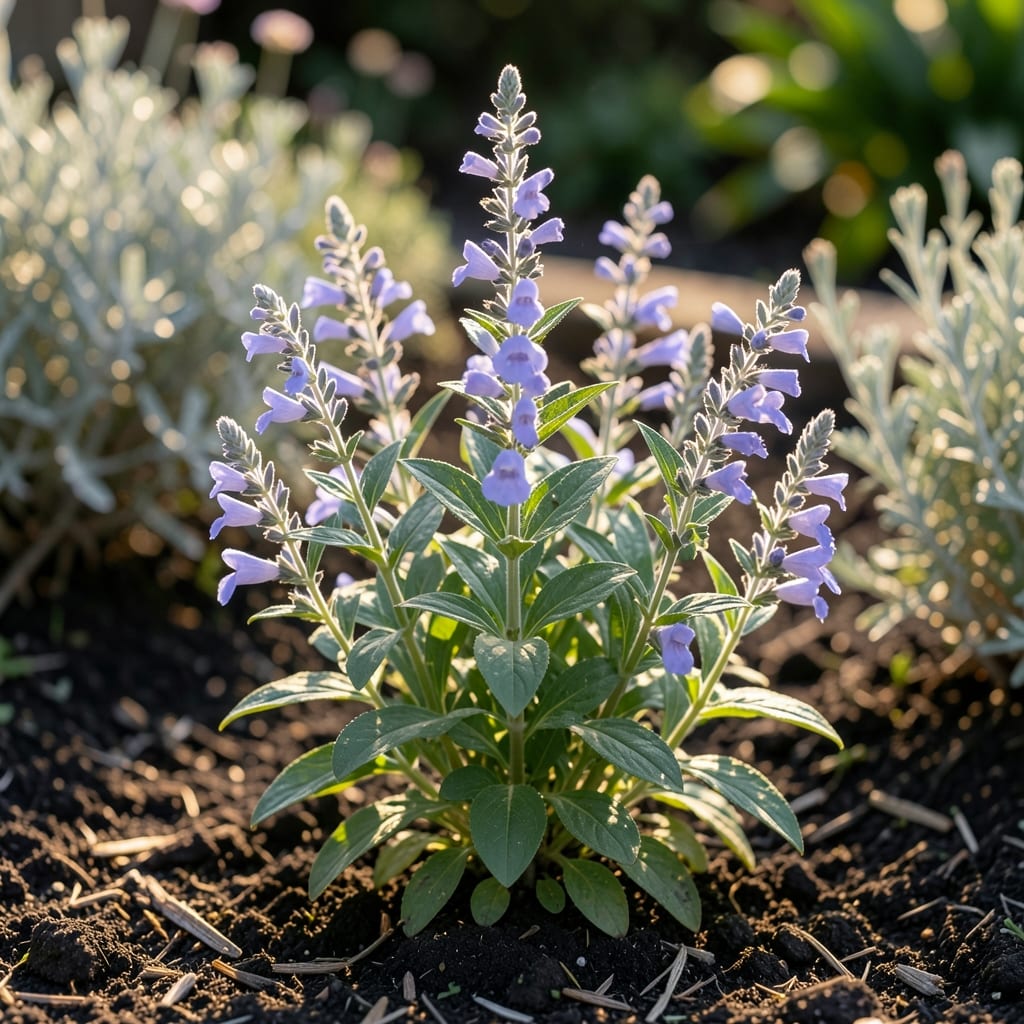
If you're wondering how tall do Angelonia grow, the answer depends on the variety you choose—because these striking 🌸 flowers can range from compact 6-inch beauties to towering 3-foot showstoppers. Whether you're dreaming of a neat container display or a bold garden border, knowing these heights helps you plan your layout like a pro.
Most Angelonia varieties fall between 12 and 36 inches at maturity, but popular picks like 'Angelface Blue' and 'Angelface White' often stay in the 2-to-3-foot range. The good news? Pruning can shape their growth—pinching back early encourages bushier, fuller plants, while letting them grow wild gives you those dramatic vertical accents.
Here's the secret: sunlight and soil play a huge role in their height potential. Give them full sun (at least 6 hours daily) and well-draining soil, and you'll see them reach their full genetic potential. But skip the heavy hand with fertilizer, or you might end up with leggy stems instead of those lush, compact blooms you love.
Ready to make the most of your Angelonia? I'll walk you through exact height ranges by variety, pruning techniques to control growth, and care tips that keep your plants thriving—no guesswork required. Let's get started!


Angelonia height by variety: exact growth ranges for popular cultivars
Angelonia plants are stunning annuals known for their spike-shaped flowers and long bloom seasons, but their mature height varies dramatically depending on the variety. If you're planning your garden layout, knowing these exact dimensions will help you choose the perfect fit for your space—whether that's a compact container or a bold garden border.
The most popular varieties typically reach between 12 and 36 inches, but some dwarf types stay as short as 6 inches. For example, the beloved 'Angelface Blue' variety usually tops out around 24 inches, making it ideal for mixed containers or window boxes. Meanwhile, 'Angelonia 'Blue Moon' can stretch toward 3 feet when given optimal growing conditions.
Here’s the key: while some varieties naturally stay short, others can be pruned to control their height. For instance, 'Angelface White' often grows to 2 feet but can be trimmed to maintain a 1-foot height for neat, uniform displays. This flexibility makes Angelonia a favorite for gardeners who love customizable designs.
🌿
| Variety | Mature Height | Best For | Spacing |
|---|---|---|---|
| 'Angelface Blue' | 24 inches | Containers, window boxes | 12-18 inches apart |
| 'Angelface White' | 20-24 inches | Garden borders, mixed beds | 10-12 inches apart |
| 'Blue Moon' | 30-36 inches | Back of borders, tall containers | 18-24 inches apart |
| 'Angelface Pink' | 18-24 inches | Hanging baskets, small pots | 8-10 inches apart |
| Dwarf varieties (e.g., 'Angelonia 'Mini Blue') | 6-12 inches | Fairy gardens, rock gardens | 6-8 inches apart |
When planting Angelonia in garden beds, spacing is crucial to ensure proper air circulation and prevent disease. For standard varieties like 'Blue Moon,' space plants 18-24 inches apart to give them room to grow without overcrowding. In contrast, dwarf varieties can be planted just 6-8 inches apart, making them perfect for small spaces or rock gardens.
If you're growing Angelonia in containers, choose a pot that’s at least 12 inches deep for standard varieties. For dwarf types, a 6-inch pot will suffice. Remember, Angelonia thrives in well-draining soil, so add perlite or sand to your potting mix if your soil retains too much moisture.
One common mistake gardeners make is underestimating the height potential of Angelonia. If you plant a 3-foot variety too close to a 1-foot shrub, the Angelonia will quickly outgrow its neighbor, creating an uneven look. Always check the mature height of your chosen variety before planting to avoid this issue.
For container gardening, consider pairing taller varieties like 'Blue Moon' with trailing plants like petunias or lobelia to create a stunning vertical display. This not only maximizes your space but also adds visual interest with contrasting textures and colors.
🌸
How pruning affects Angelonia height: step-by-step trimming guide
Pruning is your secret weapon for controlling Angelonia height—whether you want compact, bushy plants or let them stretch toward the sky. The key is timing and technique. Most gardeners focus on pinch-back pruning early in the season to encourage wider growth, while deadheading keeps plants tidy and promotes continuous blooms. Without pruning, your Angelonia could grow 20% taller but with leggy, sparse stems.
Start pruning when your plants are about 6 inches tall. Pinch off the top set of leaves just above a leaf node—this forces the plant to branch out instead of growing taller. Repeat this every 2-3 weeks until mid-summer for the best results. For established plants, a light trim after flowering encourages a second round of blooms without sacrificing height.
🌱 Step-by-Step Pruning Guide for Angelonia
- Early Season (April-May): Pinch back young plants at 6 inches to encourage branching.
- Mid-Season (June-July): Trim leggy stems by 1/3 to maintain shape and density.
- Post-Bloom (August-September): Deadhead spent flowers and lightly trim to promote new growth.
- Fall (October): Cut back 50% of height to prepare for dormancy (if growing as annual).
Never prune more than 30% of the plant at once—this can shock your Angelonia and stunt growth. Use clean, sharp bypass pruners to avoid crushing stems, and always prune in the morning when plants are hydrated. If you notice yellowing leaves after pruning, it’s a sign you’ve overdone it.
For container-grown Angelonia, pruning is even more critical. Since roots are confined, plants can become top-heavy and flop over. Regular trimming keeps them upright and compact, perfect for patios or balconies. I’ve seen 3-foot-tall Angelonia in containers reduced to 18 inches with consistent pruning—without sacrificing bloom quantity!
One common mistake? Pruning too late in the season. After mid-September, new growth won’t have time to harden off before frost. Always aim to finish major pruning by August 15 in most climates. And if you’re growing Angelonia as a perennial (in zones 9-11), prune lightly in early spring to remove dead growth before new shoots emerge.
Pro tip: Save your pruned stems! Dry them and use as winter bouquets—the papery seed pods add texture to dried arrangements. Just avoid over-pruning, or you’ll sacrifice those stunning 🌸 blooms you planted for!