
How To
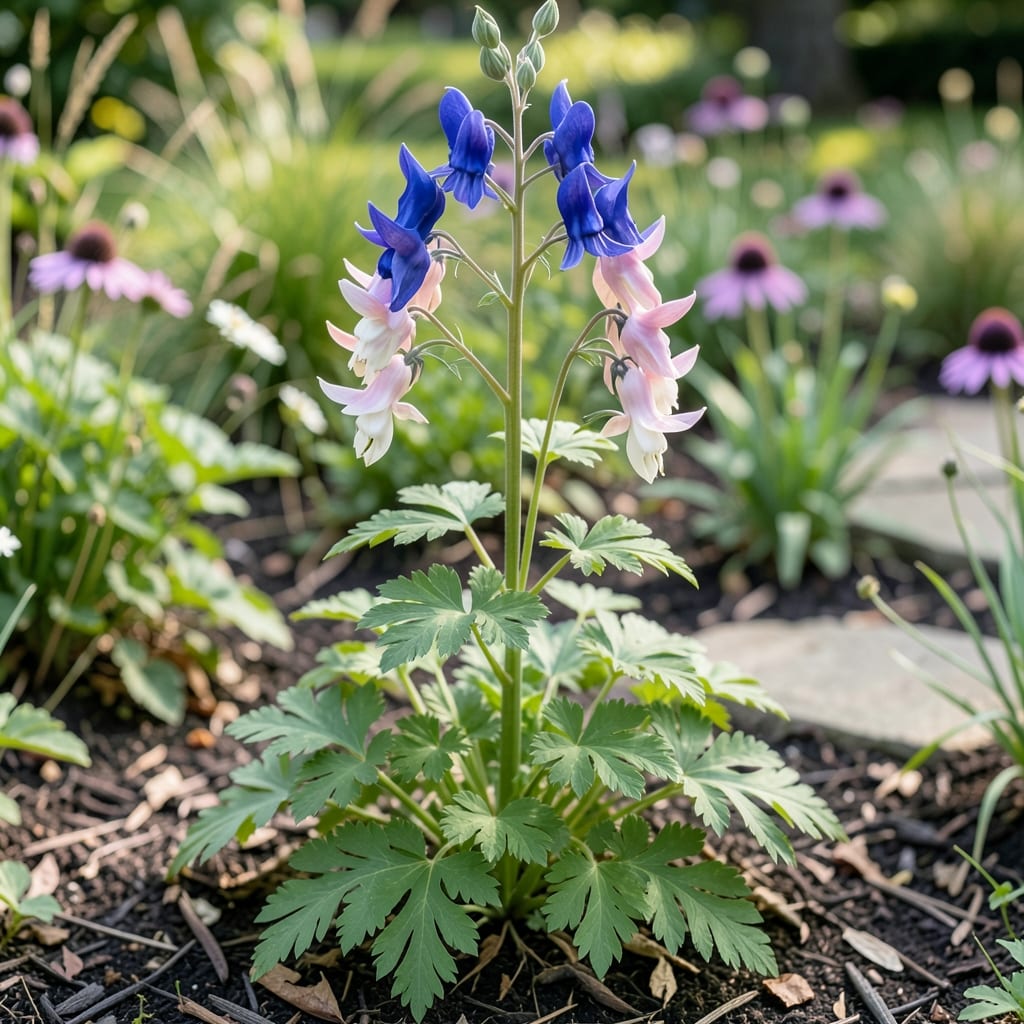
If you're planning your garden layout and wondering how tall do Aquilegia grow, you're not alone—this is one of the first questions gardeners ask about these stunning 🌸 Columbine flowers. The answer isn't one-size-fits-all, though! Some varieties barely reach your knees, while others can stretch taller than a standard kitchen countertop.
Columbine's height varies dramatically depending on the species and growing conditions. For example, dwarf varieties like 'Nana Purple' stay compact at just 8-12 inches, making them perfect for borders or containers. On the other end, towering giants like 'McKana's Giant' can reach 30+ inches, creating dramatic vertical interest in woodland gardens or shade-loving beds.
What's even more interesting is how their height changes throughout the season. In spring, when they're in full bloom, these perennials often reach their peak height. But with proper care—like pruning leggy stems and providing the right sunlight—they can maintain their structure all season long. Whether you're working with USDA Zone 6a conditions or other climates, understanding these growth patterns is key to planning your garden's layout.
Ready to discover how to encourage your Columbine to grow at its best? I'll walk you through the exact height ranges by variety, seasonal care tips, and even how to pair them with other plants for a stunning display. Let's get your garden planning started!


Aquilegia height by variety: from dwarf to giant cultivars
Aquilegia—or Columbine—plants showcase stunning diversity in height, making them perfect for gardens of all sizes. Whether you’re designing a rock garden or a woodland border, choosing the right variety ensures your space looks intentional. Most Aquilegia reach 18–36 inches at maturity, but some dwarf cultivars stay under 12 inches, while others can stretch to 4 feet in ideal conditions.
Height isn’t just about aesthetics—it also affects spacing requirements, sunlight needs, and even pollinator attraction. For example, tall varieties like 'Black Barlow' thrive in partial shade and pair beautifully with delphiniums, while dwarf types like 'Nana Purple' brighten front-of-border spots alongside creeping thyme.
Below, I’ve organized 15+ popular Aquilegia cultivars by height range, including their ideal planting scenarios and care tips to maximize their potential. Use this as your guide to selecting the perfect Columbine for your garden’s layout!
🌱
| Variety | Height Range | Best For | Spacing Needs |
|---|---|---|---|
| 'Nana Purple' | 6–12 inches | Rock gardens, containers, front borders | 6–9 inches apart |
| 'Crimson Star' | 12–18 inches | Shade gardens, woodland edges | 9–12 inches apart |
| 'McKana’s Giant' | 24–36 inches | Back borders, cottage gardens | 18–24 inches apart |
| 'Black Barlow' | 30–48 inches | Tall borders, mixed perennials | 24–30 inches apart |
| 'Songbird Series' | 18–24 inches | Pollinator gardens, containers | 12–15 inches apart |
| 'Blue Star' | 20–30 inches | Shade-tolerant borders | 15–18 inches apart |
| 'Alba' | 18–24 inches | Cut flower gardens, cottage styles | 12–15 inches apart |
| 'Copper Queen' | 24–36 inches | Sunny borders, pollinator magnets | 18–24 inches apart |
Notice how tall varieties like 'Black Barlow' and 'McKana’s Giant' thrive in partial shade and can even handle full shade in hot climates, while dwarf types like 'Nana Purple' prefer morning sun to prevent leggy growth. Always check your USDA zone—Columbine in Zone 3–8 may need winter mulch to protect tender roots.
Pro tip: If you’re growing Aquilegia in containers, opt for dwarf or semi-dwarf varieties like 'Songbird Series' or 'Crimson Star'. These stay compact and flourish in 10–12 inch pots with well-draining soil. For ground planting, amend your soil with compost to encourage stronger stems and bigger blooms.
🌿
One common misconception is that Aquilegia height is fixed—it’s not! With the right care techniques, you can influence how tall your Columbine grows. For instance, pinching back young plants in early spring can encourage bushier growth and shorter stature, while over-fertilizing with nitrogen leads to tall, weak stems that flop. Balance is key: use a low-phosphorus fertilizer (like 5-10-10) to promote flower production over foliage growth.
Another factor? Sunlight exposure. While most Aquilegia tolerate partial
Aquilegia height by variety: from dwarf to giant cultivars
Aquilegia—commonly called columbine—offers a stunning range of heights, from compact border gems to towering woodland specimens. The variety you choose will determine whether your garden needs a 6-inch edge or a 3-foot statement. Let’s explore the exact mature heights of popular cultivars and how they fit into your planting plan.
Most standard Aquilegia varieties reach 18 to 36 inches tall, but dwarf selections like 'Nana Purple' stay under 12 inches, perfect for rock gardens or container displays. Meanwhile, giant cultivars such as 'McKana’s Giant' can stretch to 3 feet or more, making them ideal for back-of-border planting or cutting gardens.
| Variety | Mature Height | Best For |
|---|---|---|
| 'Nana Purple' | 6–12 inches | Rock gardens, containers |
| 'Black Barlow' | 24–36 inches | Back borders, cutting flowers |
| 'Alba' | 18–24 inches | Wildflower meadows |
| 'Crimson Star' | 12–18 inches | Front-of-border accents |
| 'McKana’s Giant' | 30–36 inches | Tall perennial beds |
If you’re designing a shade garden, opt for taller varieties like 'Blue Star' (24–30 inches) to create vertical interest. For sunny spots, 'Orange Queen' (18–24 inches) thrives with bright blooms and sturdy stems. Always check the specific cultivar’s height before planting—some hybrids can exceed 3 feet in ideal conditions!
For containers, stick to dwarf varieties like 'Nana Blue' (8–12 inches) or 'Little Lantern' (10–15 inches). These stay proportionate and won’t overwhelm small spaces. If you’re growing Aquilegia for cut flowers, taller types like 'Black Barlow' or 'Songbird Series' (24–36 inches) provide long, sturdy stems for arrangements.
Pro tip: Spacing matters! Plant dwarf varieties 8–12 inches apart, while taller types need 18–24 inches to avoid crowding. This ensures airflow and reduces fungal risks like powdery mildew, which can stunt growth.
Now that you know the exact heights, let’s tackle seasonal growth changes—because Aquilegia doesn’t stay the same size year-round! 🌿