
Size
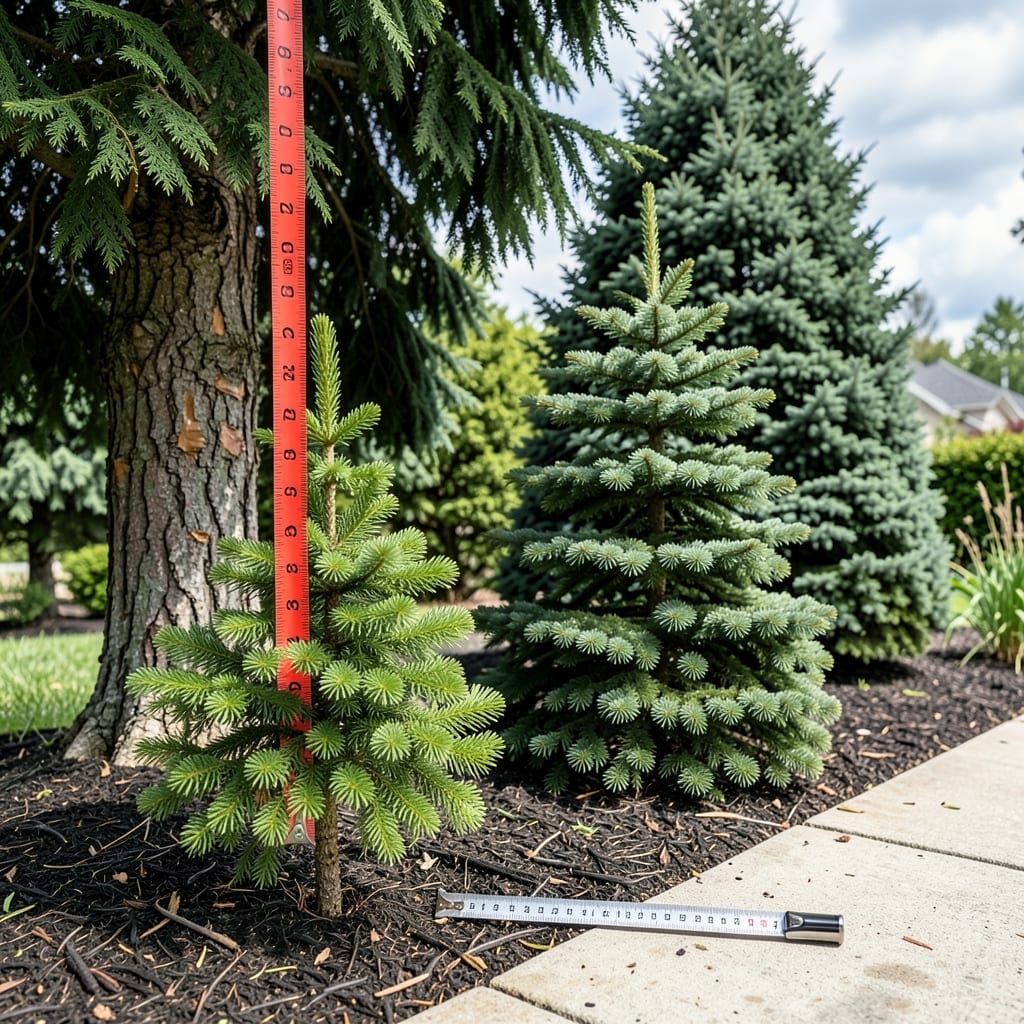
If you’ve ever planted an arborvitae 🌲 hoping for a quick privacy hedge, you might be surprised by how tall do arborvitae grow each year—some varieties shoot up like weeds, while others crawl along at a snail’s pace. The answer depends entirely on the species, and knowing the difference could mean the gap between a 5-year wait or a 10-year one for your dream green wall.
Some arborvitae varieties, like the fast-growing Green Giant, can add 3 feet per year in ideal conditions, while others like the Emerald Green might only gain 6-12 inches annually. That’s a huge difference when you’re planning a landscape design! Whether you’re working with a small yard or a sprawling property, understanding these growth rates helps you set realistic expectations—and avoid overpruning or under-planting.
But it’s not just about the species. Soil quality, sunlight exposure, and even your watering habits play a role in whether your arborvitae hits its full potential. I’ll break down the fastest and slowest growers, plus the key factors that can accelerate—or stall—its height gain. Ready to turn your green thumb into a growth-forecasting expert?
By the end of this guide, you’ll know exactly which arborvitae to pick for quick results (or patience), how to tweak care for faster growth, and even how to estimate your tree’s future height like a pro. Let’s get started!


Arborvitae annual growth rates by species: fastest vs slowest growers
Arborvitae growth isn’t one-size-fits-all—some varieties grow like rocket ships while others take their sweet time. The Green Giant, for example, can add 3 feet per year in perfect conditions, while the Emerald Green might only gain 6-12 inches annually. Knowing these differences helps you choose the right tree for your timeline and space.
Below, I’ve broken down the annual growth rates for the most popular arborvitae species, including their mature heights and typical growth trends. Whether you need a quick privacy screen or a slow-growing accent plant, this comparison will help you plan.
🌲
| Variety | Annual Growth Rate | Mature Height | Growth Trend |
|---|---|---|---|
| Green Giant | 36" (3 ft) | 40-50 ft | Fastest-growing; steady upward growth |
| American Arborvitae | 12-24" (1-2 ft) | 30-40 ft | Moderate; slower in shade |
| Emerald Green | 6-12" (0.5-1 ft) | 15-20 ft | Slow; compact growth habit |
| Leyland Cypress (Arborvitae hybrid) | 30-48" (2.5-4 ft) | 60-70 ft | Very fast; aggressive growth |
| Golden Globe | 3-6" (0.25-0.5 ft) | 3-5 ft | Slowest; dwarf variety |
| Thunderbird | 12-18" (1-1.5 ft) | 10-15 ft | Moderate; upright growth |
| American Gold | 12-24" (1-2 ft) | 20-30 ft | Moderate; golden foliage |
| Star® | 6-12" (0.5-1 ft) | 10-15 ft | Slow; dense, compact |
🌱 Note: Growth rates can vary based on soil, sunlight, and care.
If you’re in a hurry, the Green Giant or Leyland Cypress are your best bets for rapid growth. Need something low-maintenance and slow-growing? The Emerald Green or Golden Globe are perfect for smaller spaces. Just remember—even fast growers need proper care to hit their full potential.
For example, a Green Giant planted today could reach 10 feet tall in just 3 years if given full sun and regular watering. Meanwhile, an Emerald Green might only reach 3 feet in the same timeframe. That’s a huge difference when planning a hedge or privacy screen!
But growth rates aren’t just about the species—they’re also influenced by soil quality, sunlight exposure, and even pruning habits. In the next section, I’ll show you how to maximize growth (or slow it down) based on your arborvitae’s needs.
🌿
What affects arborvitae growth speed: soil, sunlight, and care tips
You’ve picked your arborvitae variety, but growth speed isn’t set in stone—it’s influenced by soil conditions, sunlight exposure, and even how you care for it. For example, a Green Giant might only grow 2 feet per year in poor soil, while the same tree could hit 3 feet annually with optimal care. Let’s dive into the key factors that accelerate or slow down your arborvitae’s height gain.
First, soil quality plays a massive role. Arborvitae thrive in well-draining, slightly acidic soil (pH 6.0–7.0). If your soil is clay-heavy or compacted, roots struggle to absorb nutrients, stunting growth. Amending with compost or organic matter can boost annual height by 20-30%. Even a Leyland Cypress, which grows 3-4 feet per year in ideal conditions, might only manage 1-2 feet in poor soil.
🌱
- 1 Sunlight: Full sun (6+ hours/day) maximizes growth—Green Giant can add 36" annually in these conditions, while shade reduces growth by 50%.
- 2 Watering: Deep watering 1-2 times per week in dry spells keeps roots healthy. Overwatering or drought stress can halt growth entirely for months.
- 3 Fertilizer: A balanced slow-release fertilizer (5-10-10) in early spring can boost growth by 1-2 feet per year. Over-fertilizing burns roots and stunts growth.
- 4 Pruning: Prune in late winter/early spring to encourage bushier growth. Heavy pruning in summer can reduce annual height gain by 30%.
- 5 Soil pH: Test your soil—arborvitae prefer pH 6.0–7.0. Adjust with lime (to raise pH) or sulfur (to lower pH) for optimal nutrient uptake.
Let’s talk sunlight next—this is where many gardeners miss the mark. While arborvitae tolerate partial shade, they grow 2-3x faster in full sun. For example, an Emerald Green might only grow 6 inches per year in shade but could hit 12-18 inches with full sun exposure. If your yard has limited sunlight, consider a slow-growing variety like Golden Globe to avoid disappointment.
Watering is another game-changer. Newly planted arborvitae need deep watering 2-3 times per week to establish roots. Once established, they’re drought-tolerant, but skipping water during dry spells can reduce annual growth by 50%. A simple trick? Water in the morning to prevent fungal issues and maximize absorption.
Finally, pruning mistakes can sabotage growth. Pruning at the wrong time (summer or fall) stresses the tree, while over-pruning reduces foliage and slows height gain. Stick to light pruning in late winter to shape your arborvitae without stunting its growth. With these tips, you’ll be well on your way to maximizing your arborvitae’s potential—or controlling its growth if space is limited.
🪴