
How To
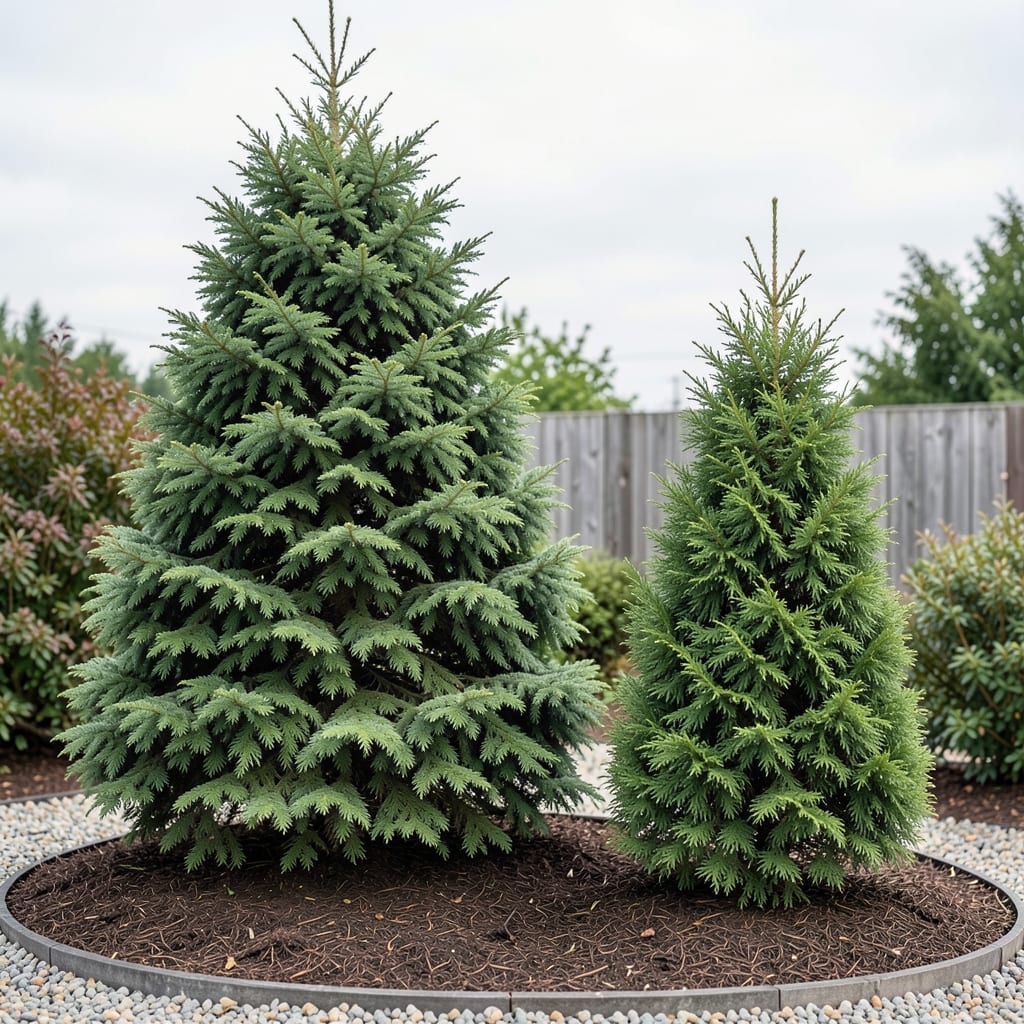
If you're wondering "how tall do arborvitaes grow", the answer might surprise you—these evergreen stars can range from a compact 3 feet to towering 60-foot giants, depending on the variety. Whether you're planning a privacy screen or a statement centerpiece, knowing the right size matters for your landscape goals.
The key difference lies in the species: Thuja occidentalis (like Emerald Green) stays manageable at 3-15 feet, while Thuja plicata (Western Red Cedar) can reach 60 feet in the wild. Even within the same type, growth habits vary—some stay bushy, others shoot up like trees. This variety means you can pick the perfect fit for your space.
Pruning plays a huge role in controlling height—regular trimming can keep even fast-growing varieties in check. But timing matters: prune young trees in late spring to shape them early, while mature trees respond best to light pruning in early summer. Without maintenance, some arborvitaes can grow 3-4 feet per year, so planning ahead saves headaches later.
Ready to pick the right arborvitae for your yard? We’ll break down the best varieties for small spaces, privacy screens, and bold statements—plus how to keep them at your ideal height. Let’s get started!


Arborvitae height by variety: compact vs. giant growth charts
Choosing the right arborvitae means knowing whether you need a 3-foot shrub or a 60-foot tree. The difference often comes down to species and cultivar. Thuja occidentalis (American arborvitae) typically stays between 3-15 feet, while Thuja plicata (Western Red Cedar) can reach 60 feet in ideal conditions. Even within these species, specific cultivars offer dramatic size variations.
For example, Emerald Green stays a tidy 12-15 feet tall, perfect for narrow spaces, while Green Giant can soar to 30-40 feet—ideal for privacy screens. Dwarf varieties like Teddy Bear max out at 3-4 feet, making them great for borders or containers. These differences mean you can tailor your landscape design to your space and vision.
Here’s a quick guide to help you visualize the range:
| Variety | Mature Height | Growth Rate | Best For |
|---|---|---|---|
| Emerald Green | 12-15 ft | 1-2 ft/year | Foundation plants, narrow spaces |
| Green Giant | 30-40 ft | 3-4 ft/year | Privacy screens, large yards |
| Teddy Bear | 3-4 ft | 6-12 in/year | Borders, containers, small gardens |
| American Plumosa | 8-12 ft | 1-2 ft/year | Hedges, mixed borders |
| Western Red Cedar | 40-60 ft | 2-3 ft/year | Wildlife habitats, large landscapes |
When planning your landscape, consider spacing needs too. Dwarf varieties like Teddy Bear need 3-4 feet of space, while Green Giant requires 10-15 feet to avoid overcrowding. Proper spacing ensures airflow, reducing disease risk and promoting healthy growth.
For privacy screens, aim for Green Giant or American Giant, which grow 3-4 feet per year and reach maturity in 10-15 years. If you’re working with a small yard, Emerald Green or American Plumosa offer height without overwhelming your space. Always check the mature height label when buying to avoid surprises.
One common mistake is assuming all arborvitaes grow at the same rate. While Green Giant can add 4 feet annually, Teddy Bear grows just 6-12 inches per year. This difference means your 10-year-old Green Giant could already be 40 feet tall, while a Teddy Bear would still be under 5 feet. Plan accordingly!
If you’re unsure which variety fits your space, start with Emerald Green for versatility—it’s disease-resistant, low-maintenance, and adaptable to USDA zones 3-7. For bold statements, Green Giant delivers fast results, while Teddy Bear keeps things manageable. The right choice depends on your goals and available space.
Ready to pick the perfect arborvitae? Next, we’ll cover how to control height with pruning—because even the fastest growers can be kept in check with the right techniques. Let’s dig in!
How to control arborvitae height: pruning secrets for different growth stages
Pruning is your secret weapon to keep arborvitaes at your desired height—whether you want a neat 6-foot hedge or a tall privacy screen. The key is timing: young trees need shaping in late spring, while mature ones respond best to light pruning in early summer. Without pruning, fast growers like Green Giant can shoot up 3-4 feet per year, quickly outgrowing their space.
Start by removing dead or crossing branches first—they can stunt growth or create weak spots. Then, focus on trimming the top 1/3 of new growth to encourage bushier growth. Avoid heavy pruning in fall or winter, as this stresses the plant and invites pests. For dwarf varieties, a light trim once a year keeps them tidy without sacrificing their compact shape.
🌱 Pro Tip: Use sharp, clean tools to prevent tearing branches. A bypass pruner works best for small branches, while a hand saw handles thicker stems. Always sterilize tools with rubbing alcohol between cuts to avoid spreading disease.
Step-by-Step Pruning Guide for Arborvitaes
- Spring (Late April-May): Prune young trees to establish shape. Trim 1/3 of new growth to encourage branching.
- Summer (June-July): Light pruning for mature trees. Focus on outer branches to maintain density.
- Fall (September-October): Avoid heavy pruning. Only remove dead or diseased branches.
- Winter (November-March): Prune only if needed for safety (e.g., removing broken branches).
💡 Best Time: Early morning to reduce stress on the plant.
For tall varieties like Thuja plicata, prune the top 1-2 feet annually to control height. This method, called heading back, slows vertical growth while encouraging lateral branches. Just be patient—it may take 2-3 years to see noticeable changes in height.
Mistakes like over-pruning or cutting into old wood can harm your arborvitae. Always prune just above a leaf node (the bump where branches meet the stem) to encourage new growth. If you accidentally cut too much, the plant may struggle to recover, leading to bare spots or dieback.
🪴 Seasonal Tip: After pruning, apply a layer of mulch around the base to retain moisture and protect roots. Water deeply to help the plant recover, especially in hot or dry climates. With consistent care, your arborvitae will stay healthy and at your desired height for years.