
Plants
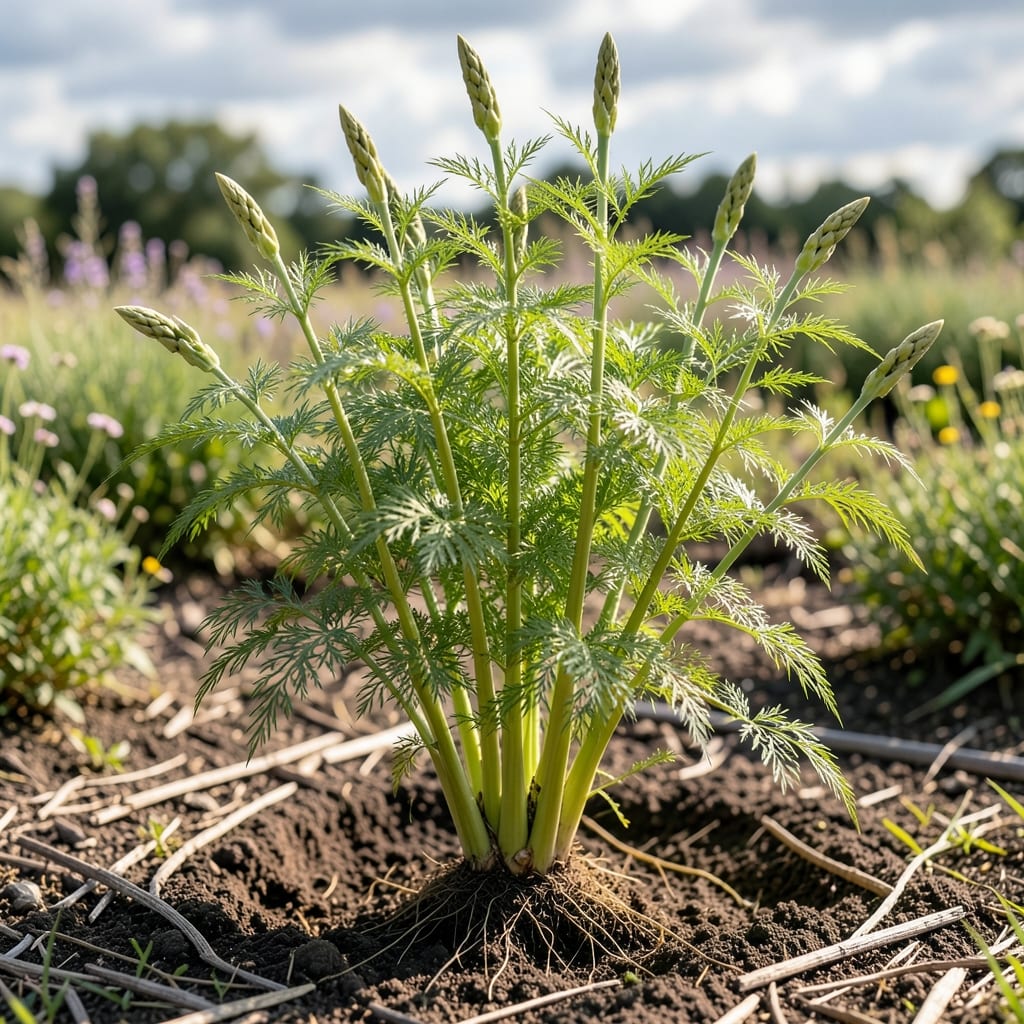
If you're dreaming of a thriving asparagus patch but wondering "how tall do asparagus plants grow", here's what you need to know: these perennial favorites can reach anywhere from 3 to 5 feet at maturity, with some varieties even topping out closer to 6 feet in ideal conditions. The good news? Most home gardens have enough space to accommodate them—especially when you plan for their mature size and growth habits.
Asparagus plants grow from thick, woody crowns that send up fern-like foliage each spring, and those feathery fronds can spread 2 to 3 feet wide while reaching skyward. This means spacing is everything—planting too close leads to overcrowding, which stunts growth and reduces your harvest. But don't let their height scare you off; with the right variety and spacing, you can grow asparagus in even small gardens or containers.
What really sets asparagus apart is its perennial nature—once established, these plants can produce spears for 15 to 20 years with minimal care. That means the space you allocate now will pay off for decades. Whether you're working with a 3-foot dwarf variety or a towering 5-foot giant, understanding their growth patterns helps you design a garden that maximizes yield without sacrificing space.
Ready to get started? I'll walk you through how to choose the right variety for your space, spacing tips to prevent overcrowding, and even creative ways to grow asparagus vertically if you're short on ground space. Let's make the most of your garden—no matter how tall your asparagus dreams may be!


Asparagus variety heights: from dwarf to giant-growing types
When planning your asparagus patch, one of the first questions I ask myself is how tall do asparagus plants grow—because the answer varies dramatically by variety. Some stay compact enough for small gardens or containers, while others reach 5 feet or taller, making them better suited for larger plots. The key difference lies in their growth habits: clumping varieties stay tidy, while spreading types can sprawl aggressively if not managed.
Most asparagus varieties fall into the 3-to-5-foot range at maturity, but a few stand out as exceptions. For example, the classic 'Mary Washington' variety can easily top 4 feet, while 'Purple Passion' (a purple-stemmed heirloom) often reaches 5 feet or more. Even dwarf varieties like 'Jersey Knight' or 'Pacific 2000' still hit 3 to 4 feet, proving that "dwarf" is relative in asparagus terms.
Here’s the catch: asparagus plants don’t grow straight up like trees—their fern-like foliage spreads horizontally, too. That means a 4-foot-tall plant might occupy a 3-foot-wide circle by harvest time. This sprawling habit is why spacing is just as critical as height when planning your garden layout.
The good news? Some varieties are bred to be more space-efficient. Clumping asparagus, like 'Mary Washington' or 'Green Mountain', forms tight clusters, while spreading types (such as 'Martha Washington') send out runners that can colonize wider areas if unchecked. Choosing the right variety for your space can mean the difference between a neat, high-yield patch and a wild, overcrowded mess.
Let’s break down the most popular varieties by height and growth habit so you can pick the perfect fit for your garden. Whether you’re working with a small balcony container or a sprawling backyard plot, knowing these details will help you avoid common mistakes and maximize your harvest.
| Variety | Height Range | Spread | Growth Habit | Best For |
|---|---|---|---|---|
| Mary Washington | 4–5 ft | 2–3 ft | Clumping | Large gardens, high yield |
| Purple Passion | 5–6 ft | 3–4 ft | Spreading | Ornamental value, bold color |
| Jersey Knight | 3–4 ft | 2 ft | Clumping | Small gardens, containers |
| Pacific 2000 | 3–4 ft | 2–3 ft | Clumping | Disease-resistant, compact |
| Green Mountain | 4–5 ft | 3 ft | Clumping | Cold-hardy, high yield |
| Martha Washington | 4–5 ft | 4+ ft | Spreading | Large spaces, aggressive spreaders |
| Millennium | 3–4 ft | 2 ft | Clumping | Early harvest, compact |
| Variety | Mature Height | Spread | Growth Habit | Best For |
|---|---|---|---|---|
| Mary Washington | 4–5 ft | 2 ft | Clumping | Traditional beds |
| Jersey Knight | 5–6 ft | 3 ft | Spreading | Vertical gardens |
| Purple Passion | 3–4 ft | 3 ft | Clumping | Containers, small gardens |
| Millennium | 3–4 ft | 2 ft | Compact | Urban gardens |
| Green Sprite | 2–3 ft | 1.5 ft | Dwarf | Containers, patios |
If you're short on space, dwarf varieties like 'Green Sprite' (2–3 feet) are perfect for containers or small gardens. These varieties grow vertically but stay compact, making them ideal for balconies or raised beds. Meanwhile, taller varieties like 'Jersey Knight' thrive when given room to spread, so plan for at least 3 feet of space in all directions.
Pro tip: Always check the plant tag or seed packet for exact height ranges—some nurseries list mature heights that include the fern growth, which can add an extra foot or more to the total height. For example, a 4-foot asparagus plant might actually reach 5 feet when its ferns fully unfurl in late spring.
Remember, asparagus plants are perennials, meaning their crowns grow deeper and wider each year. This means the first-year growth (1–2 feet) is just the beginning—by year three, you’ll see their full mature height. Plan accordingly to avoid overcrowding, which can stunt growth and reduce your harvest for years to come.