
How To
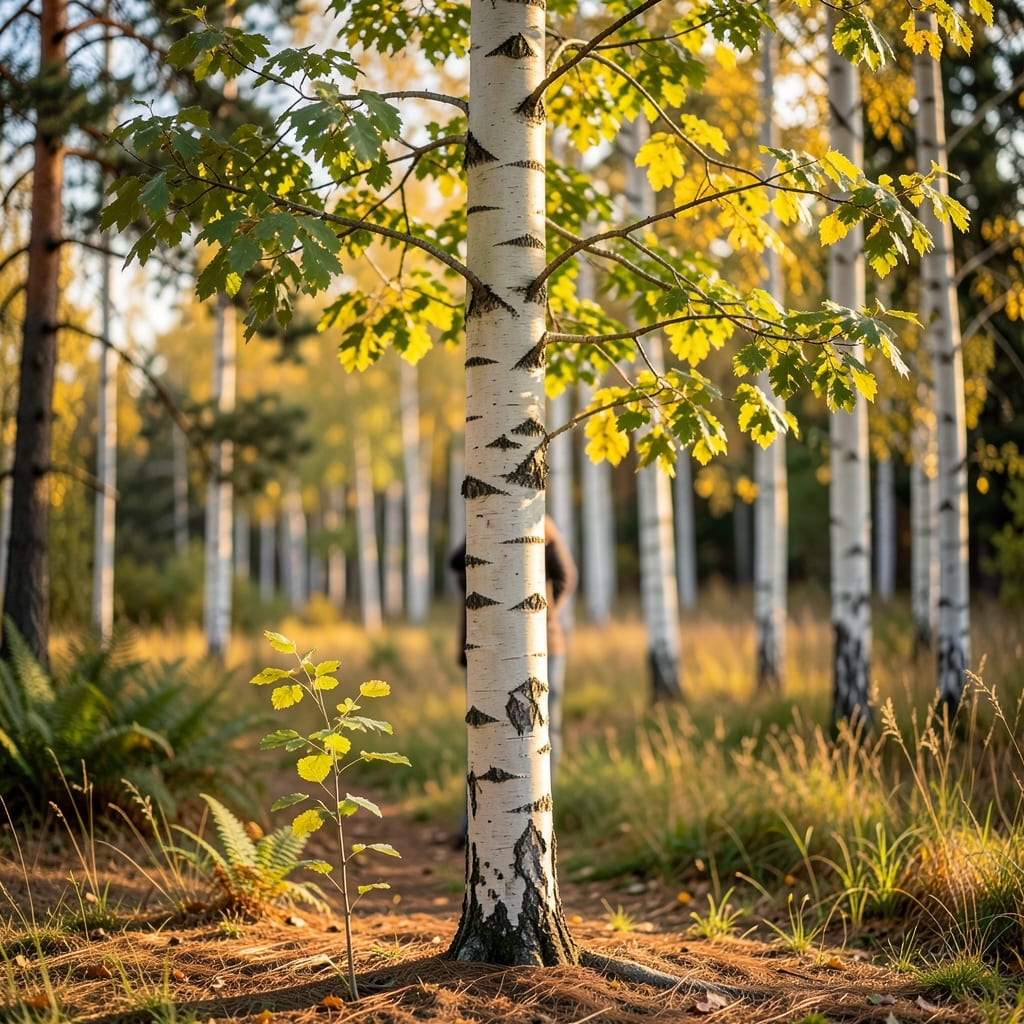
If you’ve ever wondered how tall do aspens grow, you’re about to discover why these trembling giants 🌳 are nature’s fastest-growing trees—and how their height can transform your landscape.
Picture this: a single aspen sapling shooting up 3 feet in its first year, then 10 feet by year three, with mature specimens reaching heights of 40 to 80 feet—taller than a six-story building! But their rapid growth comes with planning challenges, like spacing and sunlight needs.
In this guide, I’ll break down the science behind their sky-high potential, compare the fastest-growing varieties, and share pro tips to help your aspens thrive. Whether you’re designing a backyard oasis or a large-scale garden, understanding their growth habits is the key to success.
Let’s dive into how these iconic trees reach for the sky—and how you can encourage their full height potential in your own outdoor space.


Aspen tree height limits: how tall can they really grow?
When you imagine an aspen tree, the first thing that comes to mind is likely its trembling leaves and pale bark. But what truly sets these trees apart is their staggering height potential. Under ideal conditions, aspens (Populus tremuloides) can grow to 80 feet or more, making them one of the fastest-growing trees on the planet. However, their maximum height depends on a mix of genetics, climate, and care—not just wishful thinking.
In the wild, record-breaking aspens like the "Pando" clone in Utah span 106 acres and are estimated to be 80,000 years old. While individual trees in Pando’s grove don’t reach 80 feet, their collective growth showcases the species’ resilience. For gardeners, understanding these limits helps plan for spacing, sunlight, and long-term maintenance—especially in smaller yards.
Here’s the key takeaway: Most aspens reach 40–60 feet in ideal conditions, but genetics and environment play a huge role. For example, quaking aspens (the most common variety) grow faster in cool, moist climates like the Pacific Northwest, while bigtooth aspens thrive in warmer, drier regions but may max out at 50 feet.
Soil quality is another critical factor. Aspens prefer well-draining, slightly acidic soil (pH 6.0–7.5) with plenty of organic matter. Poor soil or compacted roots can stunt growth, leaving you with a 20–30-foot tree instead of a towering giant. If you’re planting aspens, amend your soil with compost to give them the best start.
Climate also shapes height. Aspens in USDA Zones 3–7 grow fastest with 6+ hours of sunlight daily and consistent moisture. Drought or extreme heat can slow their vertical ascent, while cool summers and mild winters (like in the Rocky Mountains) let them stretch their full height.
🌱 Aspen Growth Limits: Key Factors
| Factor | Impact on Height | Ideal Conditions |
|---|---|---|
| Genetics | Determines max height (40–80 ft) | Choose fast-growing varieties like quaking aspen |
| Soil Quality | Poor soil = stunted growth (20–30 ft) | Well-draining, acidic (pH 6.0–7.5), compost-rich |
| Sunlight | <6 hrs = slower growth (30–40 ft) | Full sun (6+ hrs/day) |
| Water | Drought = 10–20% height reduction | Deep watering (20L/week in dry seasons) |
| Climate | Hot/dry = max 50 ft; cool/moist = 80+ ft | USDA Zones 3–7, mild winters |
If you’re dreaming of a 60-foot aspen in your backyard, start with a bare-root sapling planted in early spring. The first year, it’ll shoot up 2–3 feet, and by year three, you’ll see 10–15 feet of growth. But here’s the catch: pruning young aspens can redirect energy upward, helping them reach their genetic height potential faster.
One common misconception is that aspens grow "too fast to control". While they’re rapid growers, their height is not inevitable. Without proper care, they might max out at 30–40 feet. To push them toward 80 feet, you’ll need to monitor soil health, prune strategically, and protect them from pests like aphids or borers.
For urban gardeners, spacing is everything. Aspens need 30–50 feet of clearance from structures, power lines, and other trees. Planting one too close can lead to root competition, disease, or even structural damage when branches overhang roofs or sidewalks.
Pro tip: If you’re short on space, consider a dwarf variety—though aspens don’t have true dwarf cultivars, grafting or root pruning can limit height to 15–20 feet while keeping their iconic foliage. Just know you’ll sacrifice some of that sky-high drama!
At the end of the day, aspens reward patience. With the right conditions, your 10-year-old sapling could be a 60-foot sentinel—but only if you give it the space, sunlight, and care it craves. Ready to plant one? Let’s talk fastest-growing varieties next!
Fastest-growing aspen varieties and their growth rates
Not all aspens grow at the same breakneck speed. If you’re chasing sky-high growth, the quaking aspen (Populus tremuloides) is your best bet—it can add 3–5 feet per year under ideal conditions. But did you know bigtooth aspens (Populus grandidentata) and mountain aspens (Populus tremuloides ssp. monticola) also have their own growth superpowers?
For gardeners in cool, moist climates (like the Pacific Northwest), quaking aspens are the clear winners. They’re not just fast—they’re resilient, handling USDA Zones 2–6 with ease. Meanwhile, bigtooth aspens thrive in warmer, drier regions (Zones 3–7) but may grow 10–20% slower due to heat stress. Mountain aspens, found in high-elevation forests, grow more slowly but develop denser wood, making them ideal for windbreaks.
Here’s the kicker: genetics matter. A quaking aspen sapling from a fast-growing clone (like those found in Utah’s Pando grove) can outpace a wild variety by 20–30% in height. If you’re buying nursery stock, ask for cloned aspens—they’re bred for rapid vertical growth and disease resistance.
🌱 Aspen Variety Growth Showdown
| Variety | Max Height | Annual Growth | Ideal Climate |
|---|---|---|---|
| Quaking Aspen | 60–80 ft | 3–5 ft/year | Cool, moist (Zones 2–6) |
| Bigtooth Aspen | 40–60 ft | 2–4 ft/year | Warm, dry (Zones 3–7) |
| Mountain Aspen | 30–50 ft | 1–3 ft/year | High elevation (Zones 3–5) |
To maximize growth, plant in early spring when roots can establish before summer heat. A bare-root sapling will shoot up 2–3 feet its first year, but container-grown aspens (though rare) can hit 5 feet in year one if given full sun and deep watering. Pro tip: Mulch heavily (3–4 inches of wood chips) to retain moisture and reduce competition from weeds.
One mistake I see often? Underestimating sunlight needs. Aspens need 6+ hours of direct sun daily—any less, and growth slows to 1–2 feet per year. If your yard is shady, consider pruning nearby trees or planting in a south-facing spot. Without enough light, even the fastest-growing quaking aspen will struggle to reach its 60–80-foot potential.
For urban gardeners, spacing is non-negotiable. Aspens need 30–50 feet of clearance to avoid root conflicts with other trees. If you’re planting near a house or power line, opt for a bigtooth aspen—it grows slower and stays 10–20 feet shorter than quaking varieties. Just remember: no shortcuts! Skimp on space, and you’ll end up with a stunted, stressed tree instead of a sky-scraping giant.
Ready to turn your backyard into an aspen forest? The secret to maximum height lies in soil prep, sunlight, and patience. Next, I’ll share my top 5 tips to help your aspen reach its full potential—without sacrificing health or beauty.