
Flowers
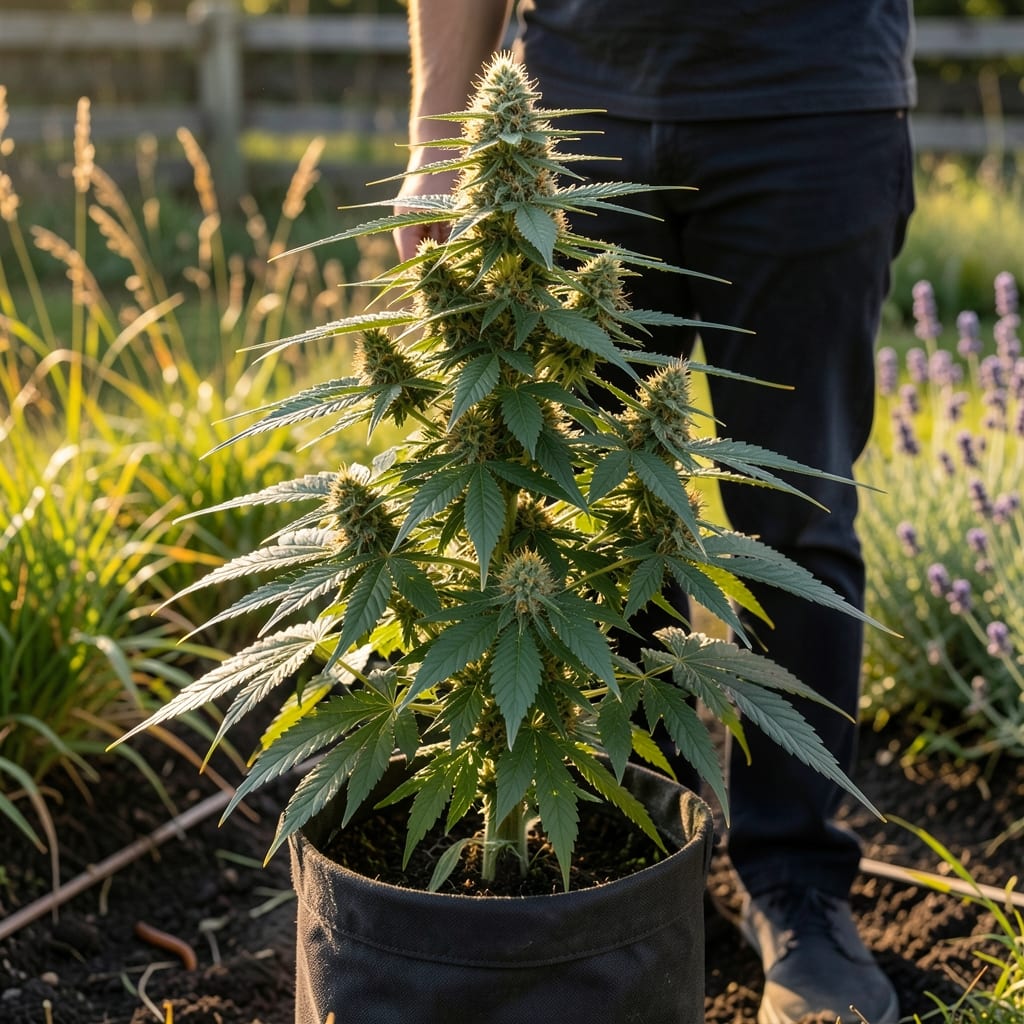
If you’re wondering how tall do autoflowers grow, the answer might surprise you—these compact 🌿 powerhouses can range from just 1 foot to over 5 feet, depending on the strain. Unlike their photoperiod cousins, autoflowers follow a strict timeline, but their height isn’t set in stone. Some stay small enough for desk gardens, while others stretch toward the ceiling, changing how you plan your grow space.
What’s even more interesting is how genetics play a role—some autoflowers stay short and bushy, perfect for tight spaces, while others shoot up like weeds if left unchecked. Whether you’re growing indoors or outdoors, understanding these height variations helps you pick the right strain for your setup and avoid overcrowding. Let’s break down the exact ranges and what they mean for your harvest.
For outdoor growers, height matters even more—spacing plants properly ensures they get enough sunlight and air circulation, which directly impacts yield. Indoors, tall strains might need taller grow tents or creative training techniques to maximize space without sacrificing bud quality. The good news? You can influence height with simple pruning and training methods, even if you’re working with a naturally tall variety.
Ready to find out which autoflowers fit your space best? We’ll cover the tallest, shortest, and everything in between, plus how to keep them at your ideal height without stressing the plant. Let’s get growing!


Autoflower height ranges by strain type: compact vs tall varieties
Autoflowering plants come in a surprising range of heights, from dwarf varieties that stay under 2 feet to tall strains reaching 5 feet or more. This variation isn’t random—it’s tied to genetics, breeding goals, and even the plant’s natural growth habit. For example, Blueberry Auto stays compact at 1–2 feet, making it perfect for small spaces, while Gorilla Glue Auto can stretch to 4–5 feet if left unchecked. Understanding these differences helps you choose the right strain for your grow setup.
The height of your autoflower isn’t just about how much space it takes up—it also affects yield potential, light exposure, and even how you train the plant. Tall strains often produce larger buds but require more vertical space, while dwarf varieties pack dense, manageable yields in tight areas. Whether you’re growing indoors or outdoors, knowing these height ranges lets you plan your garden layout for maximum efficiency.
Here’s how autoflowers break down by height category, complete with real-world examples and space requirements:
| Height Category | Average Height | Strain Examples | Space Needs (Indoor) | Space Needs (Outdoor) |
|---|---|---|---|---|
| Dwarf | 1–2 ft | Blueberry Auto, Northern Lights Auto, Frisian Duck | 1–2 ft tall tent, 1 ft spacing | 1–2 ft apart in containers |
| Semi-Dwarf | 2–3 ft | Auto Critical Mass, Auto White Widow, Auto Amnesia | 3–4 ft tall tent, 1.5 ft spacing | 2–3 ft apart in ground/containers |
| Standard | 3–5 ft | Gorilla Glue Auto, Auto Blue Dream, Auto Gelato | 5–6 ft tall tent, 2 ft spacing | 4–5 ft apart in ground |
Notice how tall strains like Gorilla Glue Auto need significantly more vertical space indoors and wider spacing outdoors. This isn’t just about fitting them in your garden—it’s about ensuring they get enough light and airflow to avoid mold or nutrient deficiencies. For example, a 5-foot autoflower in a 4-foot tent will struggle to reach its full potential, while a 2-foot dwarf in a 3-foot tent might get leggy from stretching.
Outdoor growers face an additional challenge: wind and sunlight exposure. Tall autoflowers can topple or break under heavy winds, while dwarf varieties stay stable in most conditions. If you’re growing outdoors, consider staking or trellising taller strains to keep them upright and maximize light exposure. Even indoors, tall plants benefit from support structures like stakes or cages to prevent falling over as buds get heavy.
One common misconception is that all autoflowers stay short. In reality, some strains grow just as tall as photoperiod plants, but in a fraction of the time. For instance, a photoperiod Blue Dream might reach 5–6 feet over 12 weeks of flowering, while an autoflower version of the same genetics could hit 4–5 feet in just 8 weeks. This makes autoflowers ideal for small spaces or frequent harvests, but it also means you can’t treat them like traditional cannabis plants when it comes to height management.
If you’re new to autoflowers, start with dwarf or semi-dwarf strains to get a feel for their growth patterns. These varieties are forgiving, easier to manage, and perfect for beginners. Once you’re comfortable, you can experiment with taller strains—but be prepared to invest in taller grow tents, stronger supports, or more outdoor space. The key is matching the strain’s height to your setup, not forcing it to fit.
Pro tip: Always check a strain’s breeder notes for expected height ranges. Some autoflowers are bred to stay compact, while others are designed for maximum vertical growth. This info is often listed alongside yield estimates and flavor profiles, so you can make an informed choice before planting.
Why autoflower height matters: space, yield, and grow room setup
Autoflower height isn’t just about how your plants look—it directly impacts your yield potential, grow space needs, and even how you manage pruning. A 5-foot autoflower in a 4-foot tent will stretch toward your lights, while a 2-foot dwarf might get lost in a sea of taller plants. Understanding these differences helps you design a setup that maximizes both space and harvest.
Taller autoflowers like Gorilla Glue Auto (up to 5 feet) need more vertical space, but they also produce larger buds. Shorter strains like Blueberry Auto (around 2 feet) are perfect for small spaces but may yield less. The key is matching your strain to your grow room dimensions and lighting setup.
Outdoor growers face an even bigger challenge—spacing plants correctly ensures they get enough sunlight and airflow, which prevents mold and boosts bud quality. A 3-foot autoflower needs at least 2 feet of space between plants, while a 5-foot giant might require 3–4 feet to avoid shading neighbors.
🌱 Key Takeaway: Height vs. Yield vs. Space
Indoors, height affects your light distance—taller plants need more space between their canopy and lights to avoid light burn. A 4-foot autoflower might need 18–24 inches from the light, while a 2-foot dwarf can sit just 12–16 inches away. Adjusting this distance ensures even light distribution and prevents stretched growth.
Another factor? Growth habit. Some autoflowers grow vertically (like Northern Lights Auto), while others sprawl horizontally (like Fruity Pebbles Auto). Vertical growers need taller tents, while horizontal types benefit from wide, shallow setups with proper airflow.
If you’re short on space, consider training techniques like topping or pruning to control height without sacrificing yield. For example, a 5-foot autoflower can be topped to create a bushier, shorter plant—just time it right to avoid stressing the plant before harvest.
Bottom line? Height matters, but it’s not the only factor. Pair your strain’s height with the right grow setup, lighting, and training to get the most out of your autoflowers—no matter how tall (or short) they grow. 🌿