
Size
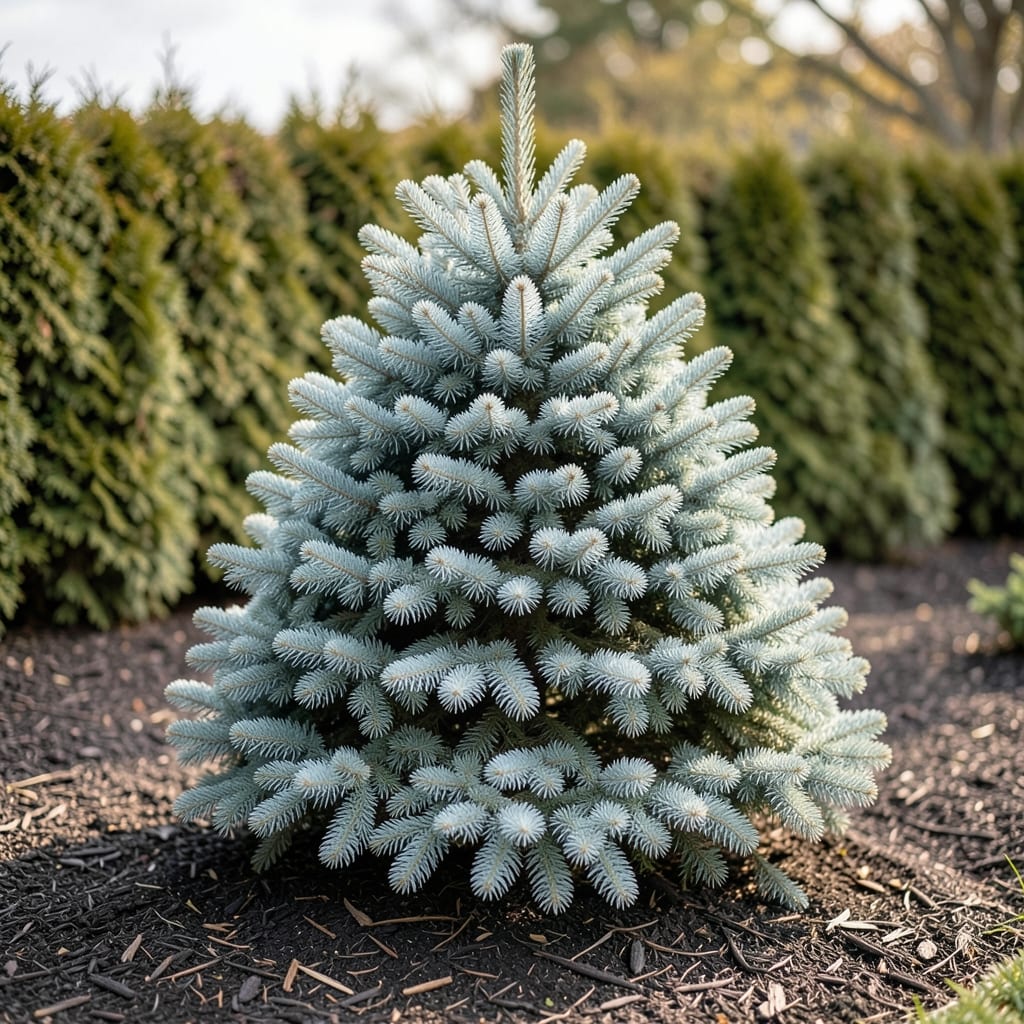
Wondering how tall do Baby Blue Spruce grow before committing to one for your yard? This stunning 🌲 evergreen can range from a modest 10 feet to an impressive 40 feet, depending on the variety and growing conditions you provide.
If you're planning for a small garden, dwarf varieties like 'Globe' stay compact at 8-12 feet, while standard types can reach towering heights. The key to controlling its growth lies in proper spacing and pruning techniques that match your landscape vision.
I’ll break down the height expectations for each popular variety and share expert tips on spacing, sunlight needs, and seasonal care to ensure your Baby Blue Spruce thrives without outgrowing its welcome.
Whether you're designing a cozy backyard retreat or a grand landscape feature, knowing these details will help you make the perfect choice for years of vibrant blue foliage and minimal maintenance.

Baby Blue Spruce mature height by variety: what to expect
The Baby Blue Spruce (Picea pungens 'Glauca Globosa') is a stunning evergreen with a range of mature heights that can transform your landscape. Whether you're planning a cozy backyard or a grand focal point, understanding the variety-specific growth is key to making the right choice. The height differences between dwarf and standard forms can be dramatic, so let’s break down what to expect from each popular variety.
Dwarf varieties like 'Globe' or 'Fat Albert' stay compact, making them perfect for small gardens or container plantings. Meanwhile, standard varieties like 'Montgomery' or 'Hoopsii' can grow tall enough to rival a 3-story building. Choosing the right variety ensures your tree fits seamlessly into your space without requiring constant pruning to control its height.
Below is a detailed comparison of the most popular Baby Blue Spruce varieties, including their mature heights, growth rates, and ideal spacing for landscaping. This will help you visualize how each variety will look in your yard over time.
If you're working with limited space, the 'Globe' or 'Little Gem' varieties are excellent choices for their compact sizes. These varieties stay under 15 feet tall, making them ideal for small yards, patios, or even large containers. Their slow growth rates also mean less frequent pruning, which is a bonus for busy gardeners.
For larger landscapes, varieties like 'Montgomery' or 'Hoopsii' will make a bold statement. These trees can reach heights of 30–40 feet, providing year-round privacy and a stunning focal point. Just be sure to give them plenty of space—planting too close to structures can lead to overcrowding and stunt their growth over time.
Climate also plays a role in how tall your Baby Blue Spruce will grow. In warmer climates (USDA zones 6–9), these trees tend to grow faster and reach their mature height sooner. In cooler regions, growth may be slower, but the trees still thrive with proper care. Always check your local climate zone to adjust spacing and care accordingly.
When planning your landscape, consider not just the height but also the spread of the tree. A wide-spreading variety like 'Fat Albert' can take up significant horizontal space, while a narrower variety like 'Little Gem' is better suited for tight spaces. Always measure your yard and visualize how the tree will look as it matures.
Now that you know the height expectations for each variety, you can confidently choose the perfect Baby Blue Spruce for your landscape. In the next section, I’ll cover the key factors that influence growth height, so you can optimize conditions for the tree you select.
Factors that influence Baby Blue Spruce growth height
Your Baby Blue Spruce’s mature height isn’t set in stone—it’s shaped by a mix of environmental factors and care choices. Understanding these influences helps you optimize growth for your landscape goals. From soil quality to sunlight exposure, each element plays a role in whether your tree stays compact or reaches towering heights.
One of the biggest factors is soil drainage. Baby Blue Spruce thrives in well-draining, slightly acidic soil (pH 5.0–7.0). Poor drainage or heavy clay soils can stunt root development, slowing height growth. Amending soil with organic matter like compost ensures roots expand freely, allowing the tree to reach its full potential height for its variety.
Sunlight exposure is another critical factor. These trees require full sun (6+ hours daily) to grow vigorously. In shady conditions, growth slows dramatically, and the iconic blue foliage may fade to green. If your yard has limited sun, consider dwarf varieties like 'Globe'—they tolerate partial shade better than taller types.
🌱 Growth Factors: Pros & Cons
Maximizes height potential and vibrant blue foliage.
Prevents root rot and supports faster growth.
Controls height and encourages bushier growth.
Stunts root growth and slows height increase.
Competes for nutrients, reducing mature height.
Can lead to weak, leggy growth rather than strong height.
Your local climate zone also impacts growth rates. In warmer zones (6–9), Baby Blue Spruce grows faster, reaching mature height sooner. In cooler regions (3–5), growth slows, but the tree remains hardy. For example, a 'Montgomery' in Zone 7 might hit 25 feet in 15 years, while the same tree in Zone 5 could take 20 years.
Watering habits matter too. Young trees need deep, infrequent watering to establish strong roots, while mature trees are drought-tolerant. Overwatering or underwatering can both limit height potential. Aim for 1–2 inches of water weekly during the growing season, adjusting for rain.
Finally, pruning practices directly influence height. Strategic pruning in late winter or early spring encourages bushier growth, while neglect can lead to tall, leggy trees. If you want a compact look, prune the top branches to redirect energy outward. For taller varieties, minimal pruning lets them reach their full height naturally.
By aligning these factors with your variety’s growth habits, you’ll create the perfect conditions for your Baby Blue Spruce to thrive—whether you want a small statement piece or a towering evergreen. Next, I’ll share pruning and care tips to keep your tree at your desired height without stressing its health.