
Trees
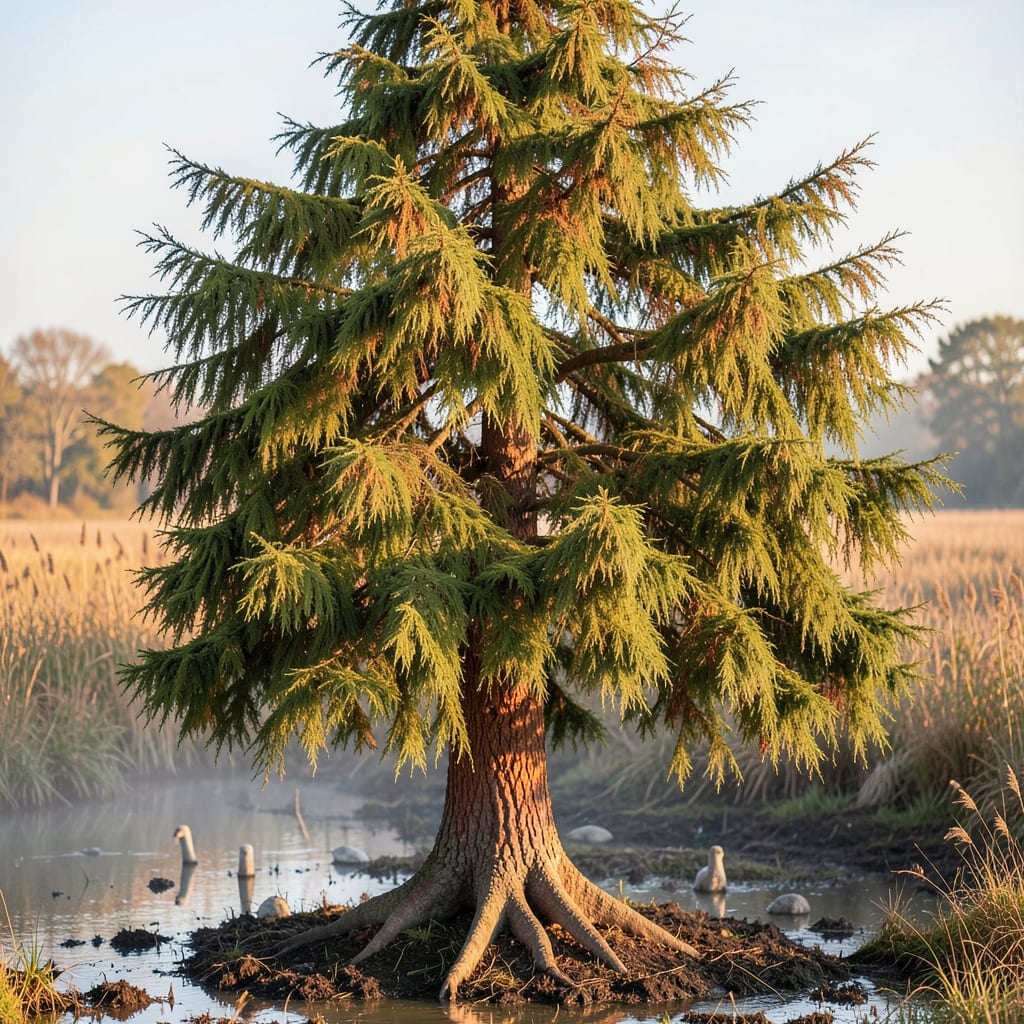
When you picture a Bald Cypress Tree 🌲 standing tall in your yard, you might imagine a towering giant—but how tall can it really grow? The answer varies wildly, from a modest 30 feet to a breathtaking 75 feet, depending on the variety and where you live. If you're planning to plant one, knowing these height ranges (and how to manage them) is the key to avoiding surprises down the road.
This iconic tree thrives in USDA Zone 6a and beyond, but its size isn’t just about location—it’s also about the type you choose. Some varieties stay compact, while others shoot up like skyscrapers. Whether you're working with a weeping cultivar or a fast-growing standard, understanding these differences will help you pick the perfect fit for your space.
Growing conditions play a huge role too. A Bald Cypress in a swampy Southern garden might reach its full 75-foot potential, while one in drier Northern soil could stay shorter. And if you're worried about managing its height, don’t fret—there are smart ways to keep it in check without sacrificing its beauty.
Let’s break down the height ranges by variety, how to control growth, and what to expect based on your climate. By the end, you’ll know exactly how to plant (and prune) for the Bald Cypress of your dreams—without it becoming an unruly giant.

Bald Cypress tree height by variety: from dwarf to giant sizes
The Bald Cypress Tree (Taxodium distichum) offers a stunning range of heights, from elegant weeping forms to towering giants. If you’re choosing one for your yard, knowing the mature size of each variety will help you avoid planting a 75-foot tree where a 20-foot one would fit better. Let’s explore the most popular varieties and their height potential.
Standard Bald Cypress varieties typically reach 50-75 feet at maturity, making them perfect for large landscapes or as focal points in parks. These trees grow at a moderate to fast pace, adding 2-3 feet per year in ideal conditions. Their broad, pyramidal shape creates a dramatic presence, but their size means they’re best suited for spacious properties.
If you’re working with limited space, consider the 'Little Gem' variety—a compact, columnar tree that tops out at 25-35 feet. This variety is a favorite for urban gardens and small yards because it maintains a narrow, upright form while still offering the iconic knobby knees and feathery foliage. It grows about 1-2 feet per year, making it a slower but more manageable option.
The 'Pendula' Bald Cypress is another standout, known for its weeping branches that create a graceful, almost fountain-like appearance. Mature heights for this variety range from 30-50 feet, but its horizontal spread can reach 20-30 feet, making it ideal for large gardens or as a specimen tree in open spaces. Its slower growth rate (1-2 feet per year) gives you time to appreciate its unique form before it reaches full size.
For those who want a fast-growing option without the extreme height, the 'Montevallo' variety is a great choice. It matures at 40-60 feet but grows 3-4 feet per year, making it one of the quickest-growing Bald Cypress varieties. Its broad, conical shape is perfect for creating shade quickly, and its tolerance for wet soils makes it a versatile addition to ponds or low-lying areas.
While there are no true dwarf varieties of Bald Cypress, some nurseries offer slow-growing selections or pruned specimens that stay smaller. If you’re set on a Bald Cypress but need a more manageable size, consider planting it in a container for a few years before transplanting to the ground. This can help control its early growth and give you a head start on managing its height.
Here’s a quick comparison to help you visualize the differences:
| Variety | Mature Height | Growth Rate | Best For |
|---|---|---|---|
| Standard Bald Cypress | 50-75 ft | 2-3 ft/year | Large landscapes, parks |
| 'Little Gem' | 25-35 ft | 1-2 ft/year | Urban gardens, small yards |
| 'Pendula' | 30-50 ft | 1-2 ft/year | Specimen trees, open spaces |
| 'Montevallo' | 40-60 ft | 3-4 ft/year | Fast shade, wet soils |
When selecting a Bald Cypress, think about your yard’s layout and the tree’s mature size. A 35-foot variety like 'Little Gem' can fit neatly into a suburban backyard, while a 75-foot standard tree belongs in a rural setting or alongside a pond. Always check local building codes if planting near structures, as overhanging branches can become a hazard over time.
Pro tip: If you’re unsure about a variety’s growth potential, ask your nursery for a young specimen to observe its growth rate firsthand. This way, you can predict how it’ll fill out your space over the years.
🌲
How growing conditions affect Bald Cypress tree height and growth rate
The height of your Bald Cypress isn’t just about its variety—it’s heavily influenced by where and how you grow it. In swampy Southern soils, these trees often hit their 75-foot potential, while in drier Northern climates, they may max out at 40-50 feet. The key factors? Water availability, soil type, and sunlight exposure. Let’s break down how each plays a role in shaping your tree’s future stature.
Water is the biggest game-changer. Bald Cypresses love moisture—think bogs, wetlands, or even well-draining but consistently damp soil. In waterlogged conditions, they grow faster and taller, developing those iconic knobby knees for oxygen. But in dry climates, growth slows dramatically, often resulting in shorter, sturdier trees. If you’re in USDA Zone 6a or colder, expect slower growth unless you supplement with regular deep watering.
Sunlight also makes a difference, though not as dramatically. While these trees thrive in full sun (6+ hours daily), they’ll still grow—just more slowly—in partial shade. In shady spots, expect a 20-30% reduction in mature height. The trade-off? Shadier conditions can improve foliage density, making the tree look fuller even if it’s shorter. For urban gardens, this is a smart compromise if space is tight.
Climate zones play a subtle but important role too. In warmer Southern states, Bald Cypresses grow 2-3 feet per year in ideal conditions, while in cooler Northern zones, growth may average 1-2 feet annually. The first few years are critical—young trees in Zone 6a need extra protection from late frosts, which can stunt early growth. Mulching heavily and watering deeply in spring helps offset this.
Don’t overlook soil quality either. These trees prefer acidic, peat-rich soils (pH 4.5-6.0), but they’ll adapt to sandy loam if amended with compost. Poor soil? Your tree’s height—and overall health—will suffer. Amend with organic matter at planting to give it the best start possible. Even in container growth (rare but possible), soil mix matters—use a moisture-retentive potting blend to mimic swampy conditions.
Finally, pruning habits can influence height over time. While Bald Cypresses don’t need regular pruning, strategic cuts—like removing lower branches to open up the canopy—can encourage vertical growth. Avoid topping (cutting the top flat), as this stresses the tree and often leads to weak, uneven growth later. If height control is your goal, focus on root restriction (for young trees) or selective pruning to shape growth patterns naturally.
With the right conditions, your Bald Cypress could become a stately giant—or a manageable specimen in smaller spaces. The choice is yours, but now you know exactly how to nurture (or rein in) its growth based on where you live. Happy planting! 🌳