
How To
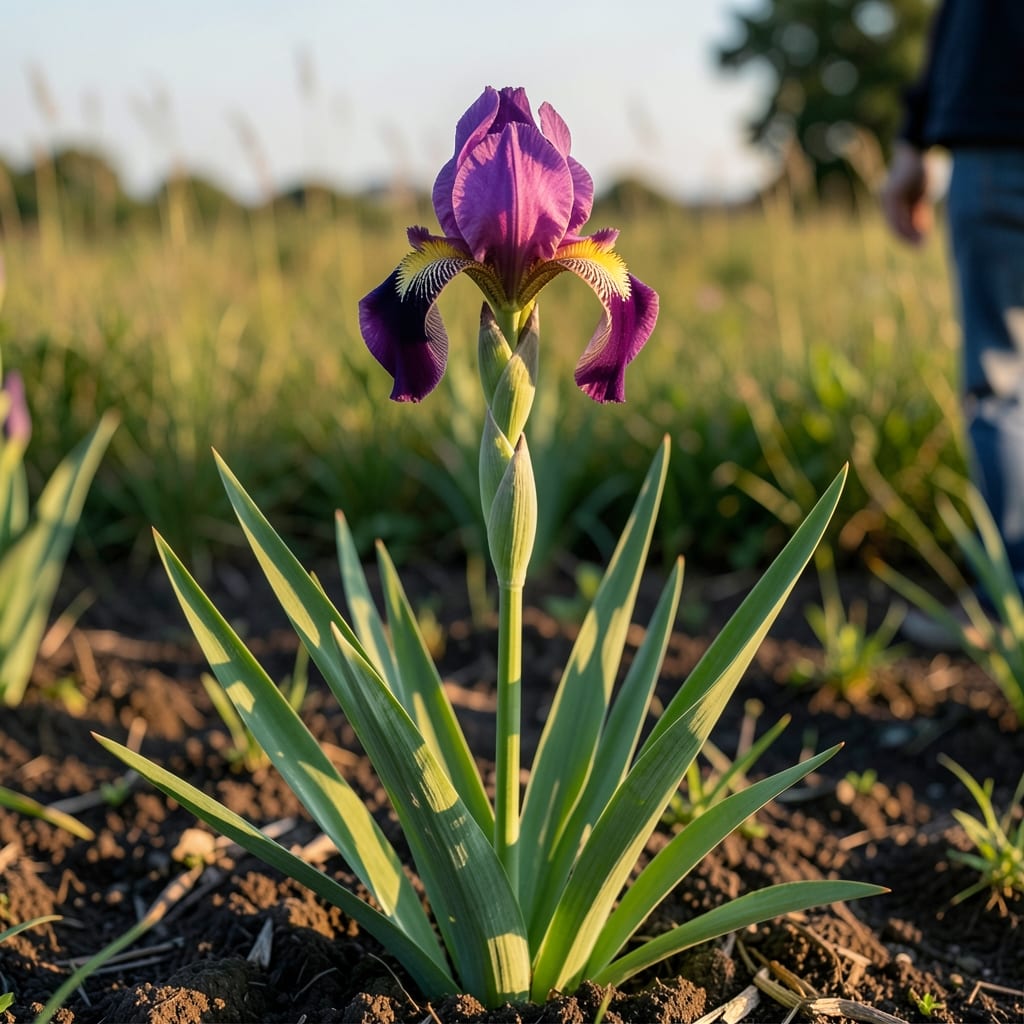
If you're wondering how tall do bearded irises grow, the answer might surprise you—these striking 🌸 beauties can range from compact 12-inch dwarfs to towering 4-foot giants, depending on the variety and growing conditions. Whether you're designing a cottage garden or a modern urban space, knowing their mature height helps you plan spacing, companion plants, and even container sizes for that perfect summer display.
Most gardeners assume all bearded irises reach the same height, but that couldn’t be further from the truth. Dwarf varieties like 'Little Chief' stay under 2 feet, while tall types like 'Immortality' can stretch nearly 4 feet—that’s taller than a standard kitchen counter! The key to getting the right size lies in choosing the variety that fits your garden vision and understanding how factors like sunlight and soil quality influence their growth.
Here’s the game-changer: where you live matters just as much as what you plant. In cooler USDA Zone 6a climates, bearded irises often stay on the shorter side (24-36 inches), while warmer southern zones can push them toward their maximum height. Even the way you care for them—like fertilizing or staking—can help you control their height for a cleaner, more intentional garden look.
Ready to turn your garden into a showstopper? I’ll break down the exact height ranges for popular varieties, share pro tips for managing growth, and help you pick the perfect bearded iris for your space—no guesswork required.


Bearded iris height ranges by variety: from dwarf to giant types
Bearded irises are famous for their striking blooms, but their height variations can be just as impressive as their colors. The mature height of a bearded iris depends entirely on the variety you choose—some stay as short as 12 inches, while others tower over 4 feet. Understanding these differences helps you plan your garden layout, select companion plants, and even decide whether to grow them in containers or directly in the ground.
For example, dwarf bearded irises like 'Little Chief' or 'Tommy' typically reach 12-18 inches tall, making them perfect for front-of-border planting or container gardens. On the other end of the spectrum, tall bearded irises such as 'Immortality' or 'Blue Flag' can stretch up to 48 inches, ideal for creating dramatic backdrop focal points in your landscape.
Here’s the key distinction: height categories help gardeners quickly identify which varieties fit their space. Dwarf types (8-18 inches) are ideal for small gardens or urban patios, while standard types (24-36 inches) strike a balance for most backyard designs. The giant varieties (36-48 inches) are best suited for larger gardens or as standalone specimens.
| Variety Type | Height Range | Best For | Example Varieties |
|---|---|---|---|
| Dwarf | 8-18 inches | Containers, front borders | 'Little Chief', 'Tommy' |
| Semi-Dwarf | 18-24 inches | Small gardens, mixed borders | 'Blue Flag', 'Henry's Purple' |
| Standard | 24-36 inches | Mid-border planting | 'Immortality', 'Adamant' |
| Tall | 36-48 inches | Backdrop, focal points | 'Germanica', 'Louisiana' |
One common misconception is that all bearded irises grow to the same height, but the truth is far more exciting. For instance, 'Germanica' types often reach their maximum height in warmer climates, while 'Louisiana' varieties may stay slightly shorter in cooler regions. This is why selecting the right variety for your USDA zone is just as important as choosing the right height for your garden design.
If you’re working with limited space, dwarf varieties are a game-changer. They thrive in containers and can even be grown in hanging baskets, adding vertical interest without taking up valuable ground space. On the flip side, if you want to create a dramatic garden statement, tall varieties like 'Immortality' will give you that wow factor with their towering blooms.
Another factor to consider is how height affects blooming habits. Taller varieties often produce larger, showier flowers, while dwarf types may have slightly smaller blooms but make up for it with their prolific flowering. For example, 'Little Chief' might have 10-12 blooms per stem, while a tall variety like 'Adamant' could produce 5-8 blooms but with a much bigger impact.
For gardeners who love layered planting, mixing heights creates depth and visual interest. Pairing a 12-inch dwarf like 'Tommy' in the front with a 36-inch tall variety like 'Germanica' in the back can transform a simple garden bed into a multi-dimensional masterpiece. Just be sure to leave enough space between plants—12-24 inches apart—to allow for airflow and prevent overcrowding.
Pro tip: If you’re unsure about height, start with a mixed variety pack to see which sizes work best in your space. Many nurseries offer height-specific collections, making it easy to experiment without committing to a single type. Once you find your ideal height range, you can expand your collection with confidence.
🌸
How growth zones affect bearded iris height and care needs
Did you know your USDA zone can change how tall your bearded irises grow? In cooler northern climates like Zone 3-5, most varieties max out at 24-36 inches, while southern gardeners in Zone 8-10 often see their irises reach their full potential height of 36-48 inches. This difference isn't just about height—it also affects blooming time, winter hardiness, and even the types of varieties that thrive in your area.
The reason for these differences lies in how day length and temperature influence growth. In northern zones, shorter days and cooler temperatures naturally limit vertical growth, while southern climates provide longer growing seasons that allow plants to reach their maximum height. For example, a 'Germanica' variety might grow 12 inches taller in Zone 9 compared to the same variety planted in Zone 5.
Here's how to use this knowledge to your advantage: Northern gardeners can focus on dwarf and semi-dwarf varieties that stay under 24 inches, while southern gardeners have more flexibility to choose taller varieties for dramatic garden statements. The key is selecting varieties that match both your height preferences and your climate zone for optimal growth.
| USDA Zone | Typical Height | Best Varieties | Winter Care |
|---|---|---|---|
| 3-5 | 18-30 inches | 'Little Chief', 'Henry's Purple' | Mulch heavily |
| 6-7 | 24-36 inches | 'Immortality', 'Adamant' | Light mulch |
| 8-10 | 36-48 inches | 'Germanica', 'Louisiana' | Minimal protection |
Zone-specific care makes all the difference in achieving your desired height. In colder zones, I recommend planting rhizomes slightly deeper (2-3 inches) to encourage stronger root systems that can support taller growth when conditions improve. Meanwhile, in warmer zones, keeping rhizomes more exposed (1-2 inches) helps prevent rot while allowing plants to reach their full height potential.
Another zone-specific consideration is blooming time. Northern varieties often bloom 2-3 weeks earlier than southern types, which can affect how you time your garden maintenance. For example, if you're in Zone 4, you might want to choose early-blooming varieties like 'Blue Flag' that can handle cooler spring temperatures, while Zone 9 gardeners can enjoy longer bloom seasons with late-blooming varieties like 'Germanica'.
For gardeners in transitional zones (like Zone 7), the secret to success lies in proper seasonal adjustments. In these areas, you can push your irises toward taller growth by providing extra phosphorus-rich fertilizer in early spring to support strong stem development. Conversely, if you're in a hot, dry climate, you might need to provide afternoon shade to prevent leaf scorch that could weaken stems and limit height.
Remember that even within a single zone, microclimates can create variations in height. A sunny, sheltered spot might produce taller irises than a shady, windy area. That's why I always recommend testing a few varieties in different locations before committing to a full garden bed. With the right zone-specific approach, you can achieve the perfect bearded iris height for your garden vision—whether that's compact containers or towering summer blooms.
🌿