
How To
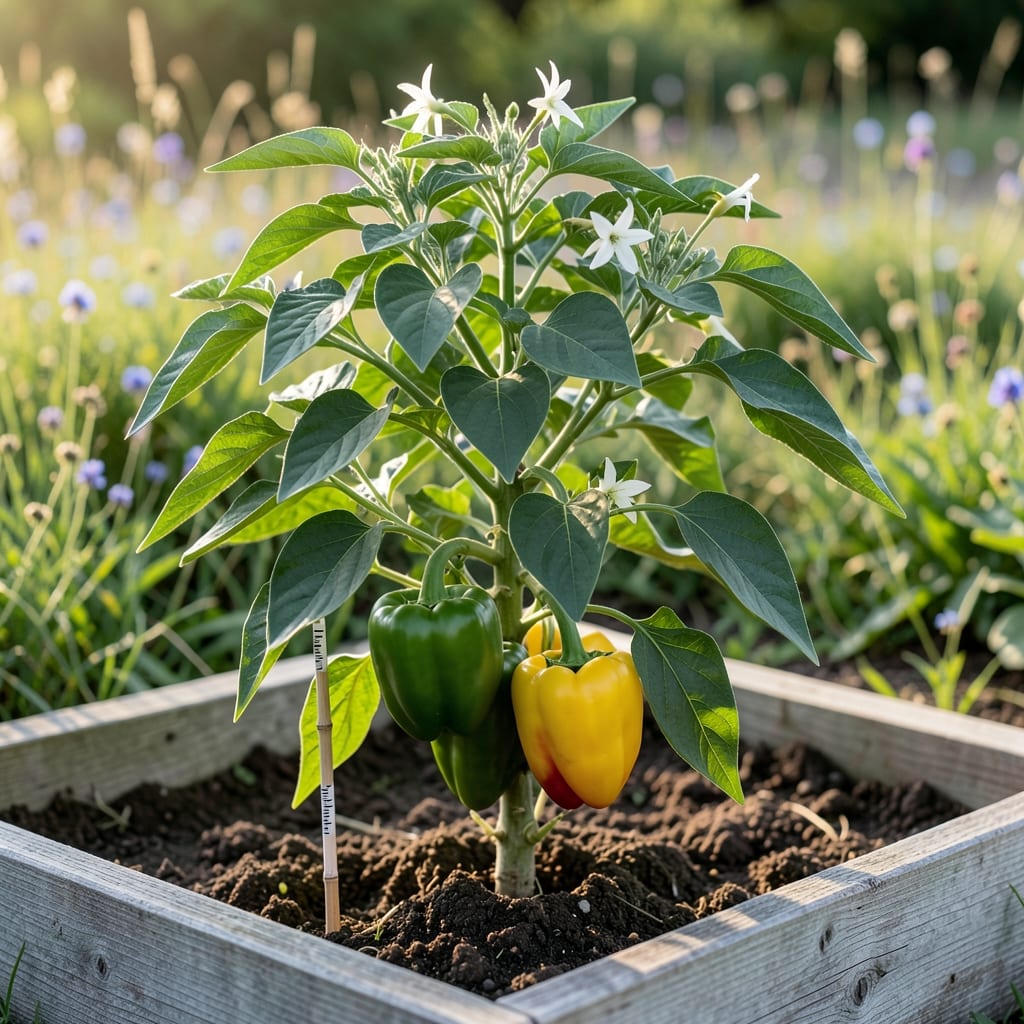
Ever stared at your garden plot and wondered, "How tall do bell peppers grow?"—because that decision could mean the difference between a thriving 🌶️ harvest and a crowded mess? The answer isn’t one-size-fits-all, but knowing the right height ranges for your variety is the key to spacing, support, and even yield.
Standard bell peppers often reach 3 to 4 feet tall, while dwarf varieties stay compact at just 1 to 2 feet. That’s why picking the right type for your space—whether it’s a raised bed or a balcony container—makes all the difference. And yes, getting the spacing wrong can stunt growth or invite pests.
In this guide, I’ll break down exact height ranges by variety, share spacing secrets to avoid overcrowding, and even show you how to control height with simple pruning. No guesswork—just actionable tips to help your peppers grow strong and productive.
Ready to stop second-guessing your garden layout? Let’s dive into the heights, supports, and tricks that’ll turn your bell pepper patch into a high-yielding success.


Bell pepper heights by variety: from compact to towering
Bell peppers aren’t one-size-fits-all when it comes to height. Some varieties grow tall enough to brush your shoulders, while others stay small enough for container gardens. The California Wonder, a classic standard variety, typically reaches 3 to 4 feet tall, making it a great choice for in-ground gardens. But if you’re working with limited space, dwarf varieties like 'Snackable' or 'Pico de Gallo' max out at just 1 to 2 feet, perfect for windowsills or small pots.
Choosing the right variety isn’t just about space—it’s also about support needs and harvest ease. Taller varieties often need cages or stakes, while shorter ones thrive in self-supporting containers. For example, the Sweet Banana pepper can grow up to 4 feet and benefits from a sturdy trellis, while the Jalapeño usually stays around 2 to 3 feet but can sprawl if unsupported.
Here’s the kicker: height isn’t the only factor. The width of the plant also matters. Many bell peppers spread 1 to 2 feet wide, so even compact varieties need room to breathe. If you’re planning a vertical garden, opt for bushier types like 'Apache' or 'Carmen', which stay under 2 feet but produce plenty of peppers.
Pro tip: Check seed packets or plant tags for mature height estimates. Some hybrid varieties, like 'Lunchbox', are bred to stay under 2 feet while producing miniature peppers perfect for snacking. If you’re unsure, start with a mix of heights—plant taller varieties in the back of your garden bed and shorter ones in the front for easy harvesting.
🌱
| Variety | Mature Height | Width | Best For |
|---|---|---|---|
| California Wonder | 3–4 ft | 1.5–2 ft | In-ground gardens, cages |
| Sweet Banana | 3–4 ft | 1.5–2 ft | Trellises, tall beds |
| Jalapeño | 2–3 ft | 1–1.5 ft | Containers, small spaces |
| Snackable (Dwarf) | 1–2 ft | 1 ft | Windowsills, pots |
| Apache | 2–3 ft | 1.5 ft | Vertical gardens, trellises |
| Lunchbox | 1.5–2 ft | 1 ft | Containers, balconies |
Now that you know the height ranges, here’s how to use this info to your advantage. If you’re growing taller varieties, consider vertical supports like tomato cages or stakes to save space and improve airflow. For shorter varieties, focus on container gardening or interplanting with shallow-rooted crops like basil or lettuce to maximize your garden’s potential.
One mistake I see often? Assuming all bell peppers need the same space. A 4-foot-tall California Wonder planted next to a 1-foot-tall Snackable will leave the dwarf variety struggling for light. Always group plants by height in your garden layout. Taller varieties in the back, medium-height in the middle, and compact ones in the front—this ensures every plant gets the sunlight and airflow it needs to thrive.
For container gardeners, height matters even more. A 5-gallon pot is perfect for dwarf varieties but will stunt a standard bell pepper. If you’re growing taller types in containers, choose larger pots (10+ gallons) and add support early to prevent flopping. And don’t forget to prune suckers—those little shoots that grow where the stem meets a branch—to keep the plant focused on producing peppers instead of extra foliage.
🌿
Let’s talk about harvest implications. Taller plants produce more peppers, but they’re harder to reach, especially as the season progresses. If you’re prone to back pain, opt for mid-height varieties like Jalapeños or use low trellises to bring peppers within easy reach. And if you’re growing for long-term storage, larger peppers (from taller plants) often have thicker walls, making them ideal for canning or freezing.
Finally, don’t overlook climate considerations. In cooler climates, bell peppers may stay shorter due to slower growth. If you’re in Zone 5 or below, choose earlier-maturing, compact varieties like 'Carmen' or 'Pico de Gallo' to ensure a harvest before the first frost. In warmer zones, you can push taller varieties to their full height potential with extra water and fertilizer.
Optimal spacing and support needs for bell pepper growth
Now that you know your bell peppers' height potential, let’s talk spacing—because cramming plants too close is a fast track to stunted growth, disease, and fewer peppers. Standard varieties like California Wonder need 18–24 inches between plants to give their roots and foliage room to spread. Dwarf varieties, like 'Snackable', can get by with just 12 inches, but don’t skimp on space entirely—even compact plants need airflow to prevent fungal issues.
The width of bell peppers is just as critical as their height. Most varieties spread 1.5–2 feet wide, so plan your garden layout like a chessboard. If you’re growing in rows, leave 2–3 feet between rows to allow for easy movement and airflow. For container gardens, ensure pots are at least 12 inches apart to prevent competition for nutrients and water.
🌱
Spacing & Support Guide
✅ DO:
- Space standard varieties 18–24" apart
- Use 2–3 ft between rows for airflow
- Add cages or stakes early for tall varieties
- Prune suckers to focus energy on peppers
- Group tall plants in back, short in front
❌ DON'T:
- Crowd plants closer than 12" (even dwarfs)
- Skip support for tall varieties (they’ll flop!)
- Ignore pruning suckers (wastes energy)
- Plant tall and short varieties together (light competition)
- Use small pots for tall peppers (root-bound risk)
Support is where many gardeners trip up. Taller varieties like Sweet Banana need sturdy cages, stakes, or trellises to prevent them from toppling over under the weight of peppers. I recommend 5-foot-tall tomato cages for standard varieties—they’re affordable and save space. For Jalapeños or Apache peppers, a simple bamboo stake or wooden dowel works well, especially if you tie the main stem loosely to guide growth.
If you’re growing in containers, height becomes even more critical. A 5-gallon pot is perfect for dwarf varieties but will stunt a California Wonder. Opt for 10–15 gallon pots for taller types and add support within 2 weeks of transplanting. Pro tip: Use fabric plant ties instead of wire—they’re gentler on stems and adjust as plants grow.
Pruning isn’t just for looks—it’s a growth hack. Remove suckers (those little shoots in the leaf axils) to redirect energy to fruit production instead of extra foliage. For taller varieties, prune the top few inches of the main stem to encourage bushier growth and easier harvesting. Just don’t overdo it—leave enough leaves to photosynthesize!
🪴
One final spacing secret: companion planting can work in your favor. Pair bell peppers with shallow-rooted herbs like basil or marigolds to maximize space without competition. Avoid planting near tomatoes or fennel, though—these can stunt pepper growth. And if you’re short on space, consider interplanting with lettuce or radishes, which mature quickly and can be harvested before peppers need full space.
Remember, the goal is balance: enough space for roots to breathe, enough support to stay upright, and enough pruning to focus on peppers. Get this right, and you’ll reap a bountiful, healthy harvest—no guesswork required!