
How To
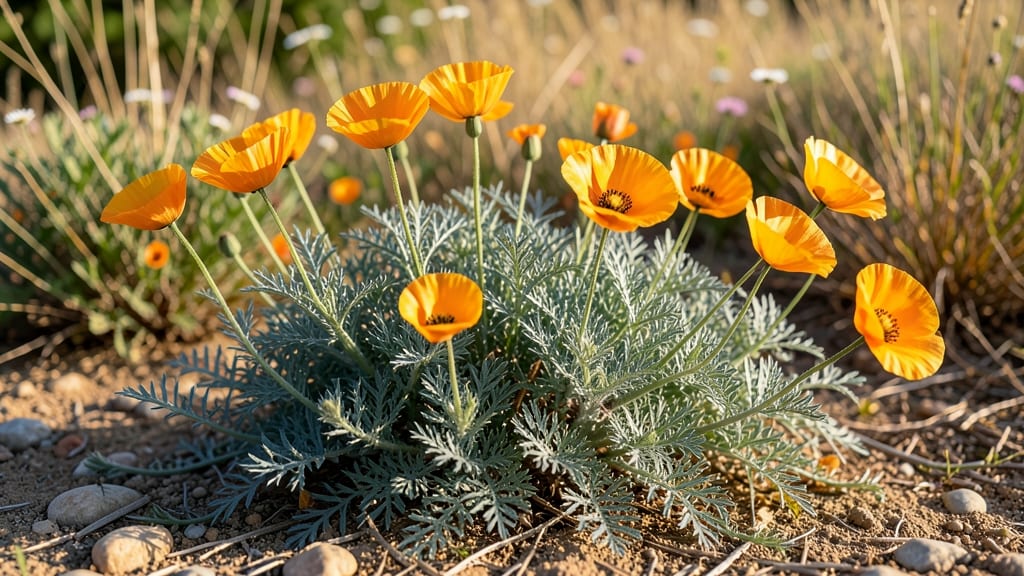
If you’ve ever dreamed of a golden-hued meadow bursting with effortless beauty, knowing how tall do California poppies grow is the first step to planning your dream garden.
These cheerful 🌼 blooms typically reach heights between 6 and 24 inches, making them perfect for borders, wildflower meadows, or even container gardens.
What’s fascinating is how their height varies based on growing conditions—dwarf varieties might stay closer to 6 inches, while standard types can stretch toward 2 feet. This flexibility means you can use them in everything from rock gardens to large-scale landscapes without overcrowding.
Whether you’re a seasoned gardener or just starting out, understanding these growth patterns helps you create a space that thrives. I’ll share how sunlight, soil, and spacing play a role in reaching those ideal heights—so you can get the most out of your poppy patch.
Ready to transform your garden into a sun-drenched paradise? Let’s dive into the secrets of growing California poppies to their full, vibrant potential.


California poppy height range: what to expect in different growing conditions
California poppies (Eschscholzia californica) are famous for their bright orange blooms and drought-resistant nature, but their height can vary dramatically based on growing conditions.
On average, these wildflowers reach 6 to 24 inches tall, but with the right care, you can encourage taller, more robust stems for a stunning display. Understanding their growth habits helps you plan borders, meadows, or containers with confidence.
In ideal conditions—like full sun exposure and well-draining soil—California poppies often hit the upper end of their height range, 18 to 24 inches. However, in shadier spots or poor soil, they may stay shorter, around 6 to 12 inches.
This flexibility makes them perfect for rock gardens, wildflower meadows, or even as container plants on patios.
Here’s how their height breaks down in different scenarios:
| Growing Condition | Height Range | Best For |
|---|---|---|
| Full sun, well-draining soil | 18–24 inches | Meadows, borders, pollinator gardens |
| Partial shade, average soil | 12–18 inches | Container gardens, patio planters |
| Poor soil, dry conditions | 6–12 inches | Rock gardens, slopes, drought-prone areas |
| Rich soil, consistent moisture | Up to 24 inches | Cut flower gardens, tall borders |
Climate plays a huge role in height too. In cooler zones (USDA 6-8), poppies often grow taller and bloom later in spring, while in warmer zones (USDA 9-10), they may stay shorter but rebloom prolifically if deadheaded.
For example, in Southern California, they rarely exceed 12 inches due to hot, dry summers, but in Pacific Northwest, they can stretch toward 24 inches with cooler temperatures.
Soil type also matters. California poppies hate soggy roots—they thrive in sandy or gravelly soil where water drains quickly. If your soil is clay-heavy, amending it with compost or perlite can encourage taller growth by preventing root stress.
I’ve seen poppies in amended clay soil reach 20 inches, while those in unamended clay stayed under 10 inches.
Another factor? Spacing. Crowded plants compete for nutrients and stay shorter (often 6–12 inches), while properly spaced poppies (12–18 inches apart) grow taller and produce more blooms.
In my own garden, I once planted poppies too closely in a wildflower mix, and they barely hit 8 inches—until I thinned them out the next year, when they doubled in height.
If you’re growing California poppies for cut flowers, aim for the tallest stems by providing richer soil and regular deadheading. I’ve harvested stems up to 22 inches from plants grown in well-composted beds with morning watering.
For wildflower meadows, however, shorter varieties (under 12 inches) create a lush, low carpet of color that’s perfect for pollinators.
One last tip: Wind exposure can stunt growth. In open, windy areas, poppies often flop over and stay under 12 inches, while sheltered spots allow them to grow straight and tall.
If you’re planting near the coast or in exposed hillsides, consider staking taller varieties or choosing dwarf cultivars for a neater look.
With the right conditions, your California poppies can become a showstopping feature in your garden—whether as tall borders, meadow staples, or container stars. Experiment with spacing, soil, and sunlight to find the perfect height for your vision! 🌼
California poppy height range: what to expect in different growing conditions
California poppies (Eschscholzia californica) are famous for their cheerful, golden-orange blooms—but their mature height can vary wildly depending on where you plant them.
Under ideal conditions, these wildflowers typically reach 12 to 24 inches tall, though they can dip as low as 6 inches in poor soil or crowded spaces.
This flexibility makes them perfect for borders, rock gardens, or wildflower meadows, but knowing their growth habits helps you plan for the best display.
The soil type plays a huge role in height. Well-draining, sandy soil (like their native California hills) encourages taller stems, while heavy clay can stunt growth. Even sunlight exposure matters—full sun (6+ hours daily) promotes height, while partial shade keeps them shorter.
Climate also shifts their growth: in cooler zones (like USDA 6-8), they may stay on the shorter side, while warmer regions (like Southern California) often see taller, more robust plants.
Here’s how their height breaks down in common garden settings:
| Garden Setting | Typical Height | Growth Notes |
|---|---|---|
| Wildflower Meadow | 12–24 inches | Space freely; full sun |
| Rock Garden | 6–12 inches | Poor soil stunts growth |
| Container/Garden Border | 10–18 inches | Well-draining mix |
| Shady Spot | 6–10 inches | Leggy, fewer blooms |
If you’re aiming for taller poppies, focus on well-draining soil and full sun. Amend heavy soil with sand or compost to improve drainage, and avoid overcrowding—give each plant 6–12 inches of space for optimal air circulation and stem strength.
In contrast, if you’re designing a low-growing border, partial shade or poor soil will naturally keep them shorter.
One common misconception is that California poppies need rich soil to thrive—they actually prefer lean, sandy conditions similar to their native habitat. Over-fertilizing can lead to lush foliage but fewer blooms, which might make them appear shorter than expected.
For the best height and bloom density, stick to a low-nitrogen fertilizer or skip it entirely.
For a wildflower meadow effect, let poppies self-seed and grow naturally—they’ll reach their full height potential when spaced freely. In containers, prune leggy stems to encourage bushier growth, but avoid cutting back more than one-third of the plant at a time to prevent stress.
🌼