
How To
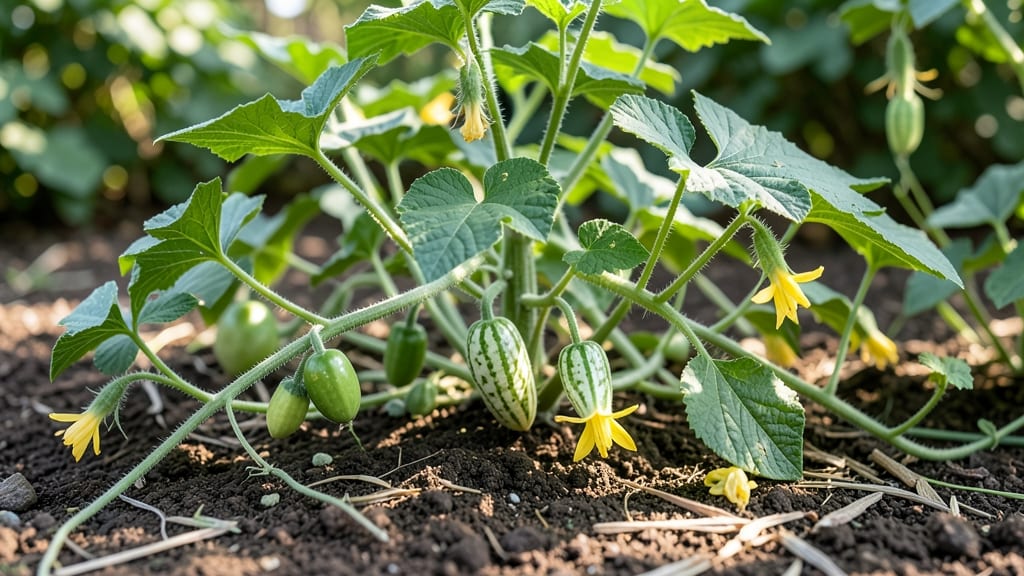
Wondering how tall do cucamelons grow before you commit to planting these tiny, crunchy gems? If you love compact plants that pack a flavor punch, cucamelons are your answer—these vines typically reach 1 to 3 feet, making them perfect for small gardens or even containers on your patio.
What makes cucamelons so special isn’t just their size, but their ability to thrive in limited spaces while delivering a peppery, cucumber-like harvest. Whether you’re a container gardener or working with a tiny backyard, their manageable height means you can enjoy fresh, homegrown produce without sacrificing precious square footage.
In this guide, I’ll break down everything you need to know about cucamelon growth—from how to control their height with trellises or pruning to the best conditions for keeping them happy.
You’ll also discover how sunlight, soil, and support structures can influence their size and yield, so you can plan your garden like a pro.
Ready to grow these adorable, productive vines? Let’s dive into the details so you can get the most out of your cucamelon patch—no matter how limited your space might be.


Cucamelon vine growth height: what to expect from compact plants
Cucamelons, also called Mexican sour gherkins, are compact vines that typically reach 3 to 6 feet in height when grown outdoors. Unlike sprawling cucumbers, their trailing growth habit makes them ideal for containers and small gardens, where they can be easily managed with minimal space.
When given proper support—like a trellis or cage—their vines will climb vertically, saving precious garden real estate. Without support, they’ll sprawl horizontally, which can still work in containers but may require more frequent pruning to control their spread.
Here’s the key difference: cucamelons stay compact compared to traditional cucumbers, which can stretch 10+ feet without training. This makes them perfect for balcony gardens, patios, or even hanging baskets where space is limited.
Now, let’s break down their growth habits and how to plan for them in your garden setup.
| Growth Factor | Details |
|---|---|
| Mature Height | 3–6 feet (with support) |
| Spread (Unsupported) | 4–6 feet wide |
| Growth Habit | Trailing or climbing vine |
| Container Size | 5-gallon pot minimum |
| Yield Impact | Taller vines = more fruit |
If you’re growing cucamelons in containers or small spaces, aim for a 5-gallon pot or larger to accommodate their root system. The deeper the pot, the better—roots can spread 12–18 inches deep, so ensure drainage holes are present to prevent waterlogging.
For vertical growth, install a 3–4 foot trellis near your planting spot. This not only saves space but also improves air circulation, reducing the risk of fungal diseases that thrive in dense foliage.
In ground gardens, cucamelons thrive in well-draining soil with a pH between 6.0 and 7.0. Amend heavy clay soil with compost to encourage healthy root development, which directly impacts vine strength and fruit production.
One of the biggest misconceptions is that smaller vines mean fewer fruits. In reality, cucamelons produce abundant harvests even when kept compact—just ensure they receive 6+ hours of sunlight daily and consistent moisture.
For maximum yield, prune side shoots to encourage main vine growth. This technique directs energy toward fruit production rather than excessive foliage, which can be especially useful in container gardening where space is limited.
Whether you’re a balcony gardener or a small-space enthusiast, cucamelons’ manageable height makes them one of the most versatile and rewarding vining plants for beginners and experts alike.
Cucamelon vine growth height: what to expect from compact plants
Cucamelons, also called Mexican sour gherkins, typically grow between 3 to 6 feet tall when given proper support. Unlike sprawling cucumber vines, these compact plants thrive on trellises or cages, making them perfect for small gardens or containers.
Their trailing nature means they’ll climb upward rather than spread outward, saving precious space in your yard.
In container gardens, cucamelons often max out around 3 to 4 feet if pruned regularly. Without support, they may trail along the ground, reaching 4 to 5 feet in length. This makes them ideal for balconies, patios, or vertical gardening—no sprawling mess here!
| Growth Factor | Details |
|---|---|
| Mature Height (Supported) | 3–6 feet |
| Container Height | 3–4 feet (with pruning) |
| Trailing Length (No Support) | 4–5 feet |
| Fruit Production Zone | Lower 1–2 feet of vine |
Compared to traditional cucumbers, cucamelons are dwarf-sized but still productive. While cucumbers can stretch 10+ feet, cucamelons stay neat and manageable, producing tiny, lime-sized fruits along their vines. This makes them a low-maintenance choice for gardeners with limited space.
For maximum yield, train vines upward using a 5-foot trellis or cage. Prune side shoots to encourage vertical growth and better air circulation, which reduces disease risk. Even in small pots (10+ gallons), you’ll get a plentiful harvest without the vines becoming unruly.
If you’re growing cucamelons in USDA zones 6–10, expect year-round growth in warmer climates or seasonal harvests in cooler regions. Their fast-growing nature means you’ll see 1–2 foot vines in just 4–6 weeks, with fruits ready by 60–75 days after planting.
To keep vines at your desired height, prune regularly and harvest frequently. Overgrown vines may produce fewer, larger fruits, but consistent care ensures compact, productive plants that fit perfectly in containers, hanging baskets, or small garden beds.