
Trees
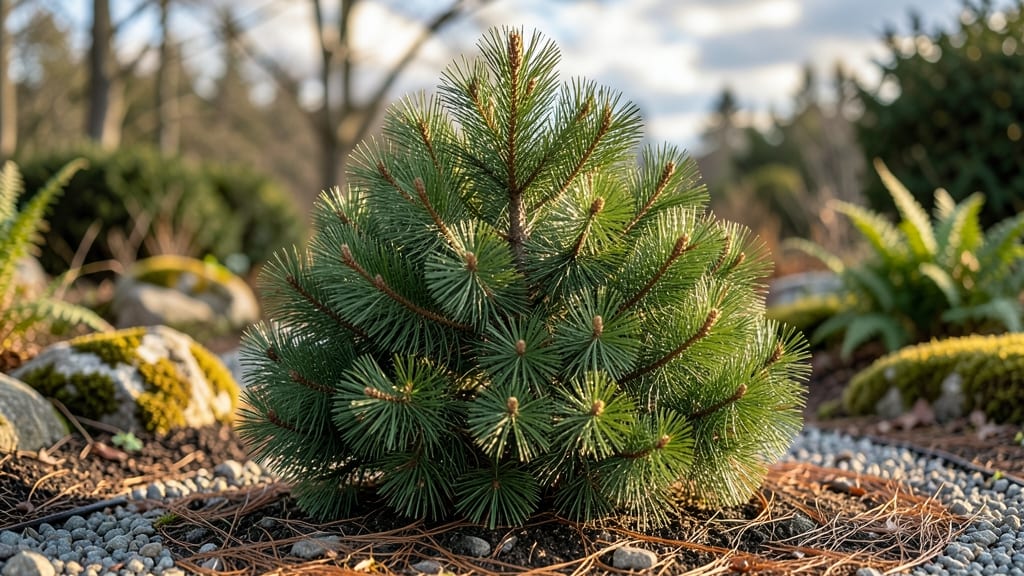
Dwarf pine tree height guide: mature sizes by fastest-growing varieties
Dwarf pine trees are a game-changer for small gardens, patios, or even container growing—but their mature heights vary dramatically. Some stay under 3 feet for decades, while others reach 10–15 feet in just 10 years.
The fastest-growing varieties hit their peak size in 3–8 years, making them ideal for quick landscape impact without long waits.
If you’re planning a hedge, focal point, or container display, knowing the exact height range helps you avoid overcrowding or underutilized space. For example, Pinus mugo (mountain pine) grows 3–6 feet tall in 5–6 years, while Pinus sylvestris ‘Beuvronensis’ can top 10 feet in the same timeframe.
Here’s a quick comparison of the 5 fastest-maturing dwarf pines and their ideal spacing to prevent root competition:
| Variety | Mature Height | Time to Mature | Ideal Spacing | Best For |
|---|---|---|---|---|
| Pinus mugo ‘Mops’ | 3–5 ft | 3–5 years | 3–4 ft apart | Containers, borders |
| Pinus sylvestris ‘Beuvronensis’ | 8–12 ft | 6–8 years | 8–10 ft apart | Privacy screens, large gardens |
| Pinus thunbergii ‘Oculus-Dragoni’ | 6–10 ft | 4–7 years | 6–8 ft apart | Specimen plant, focal point |
| Pinus pumilio ‘Globosa’ | 4–6 ft | 5–6 years | 4–5 ft apart | Rock gardens, alpine beds |
| Pinus nigra ‘Corsican’ | 5–10 ft | 5–7 years | 5–7 ft apart | Hedges, windbreaks |
Notice how Pinus sylvestris ‘Beuvronensis’ and Pinus thunbergii ‘Oculus-Dragoni’ require the most space—planting them too close to structures or other trees can stunt their growth or lead to root conflicts. Conversely, Pinus mugo ‘Mops’ thrives in containers or tight borders, making it perfect for urban gardens or patios.
Growth rates also depend on sunlight, soil drainage, and pruning habits. For instance, Pinus pumilio ‘Globosa’ grows slower in partial shade but can double in height if given full sun.
Always check your local USDA hardiness zone—most dwarf pines thrive in zones 4–8, but some, like Pinus thunbergii, tolerate zone 3.
Pro tip: If you’re using dwarf pines for hedges or windbreaks, space them 1–2 feet closer than the mature height recommendation. For example, plant Pinus nigra ‘Corsican’ 4 feet apart for a denser, faster-growing barrier.
For container growing, choose varieties like Pinus mugo ‘Mops’ or Pinus pumilio ‘Globosa’, which max out at 5 feet in pots. Use a well-draining mix (60% potting soil, 30% perlite, 10% sand) and repot every 2–3 years to accommodate root growth.
One common mistake? Assuming all dwarf pines stay under 5 feet. Pinus sylvestris ‘Beuvronensis’ can easily reach 12 feet—plan accordingly if you’re adding it to a small yard. Always measure your space before buying!
Finally, remember that pruning encourages bushier growth but rarely reduces mature height. If height control is critical, opt for slow-growing varieties like Pinus pumilio or prune aggressively in late winter to shape growth.
Dwarf pine tree height guide: mature sizes by fastest-growing varieties
Dwarf pine trees are a home gardener’s dream—they deliver the evergreen beauty of full-size pines without the space demands. But how tall do they really grow? The answer depends on the variety, as some mature in 3–5 feet while others reach 10–15 feet over time.
Understanding these height ranges helps you choose the perfect fit for your landscape, whether it’s a small courtyard or a large garden border.
For fastest results, focus on quick-maturing varieties like Pinus mugo or Pinus pumilio, which can reach half their mature height in just 3–5 years. Others, like Pinus sylvestris ‘Beuvronensis’, take longer but offer unique shapes and textured foliage.
Below, I’ve broken down the top 5 fastest-growing dwarf pines and their ideal spacing to avoid overcrowding as they fill out.
If you’re working with limited space, Pinus mugo ‘Mops’ is my top pick—it stays under 5 feet and thrives in containers, making it ideal for patios or balconies. For bold statements, Pinus nigra ‘Pendula’ delivers dramatic weeping branches but needs more room to sprawl.
Always check the spacing guidelines to avoid root competition or overcrowding as the trees mature.
One common mistake? Assuming dwarf pines stay stunted forever. While they grow slower than full-size pines, they will reach their mature height if given proper care. Pruning can help control height, but avoid cutting into old wood, as pines heal slowly.
Instead, focus on shaping young growth to guide their form.
For fastest results, pair your dwarf pine with well-draining soil and full sun (6+ hours daily). In shadier spots, growth slows, and the tree may develop spindly branches.
Mulch around the base to retain moisture and protect roots during winter—this small step can double your tree’s longevity.
🌲