
How To
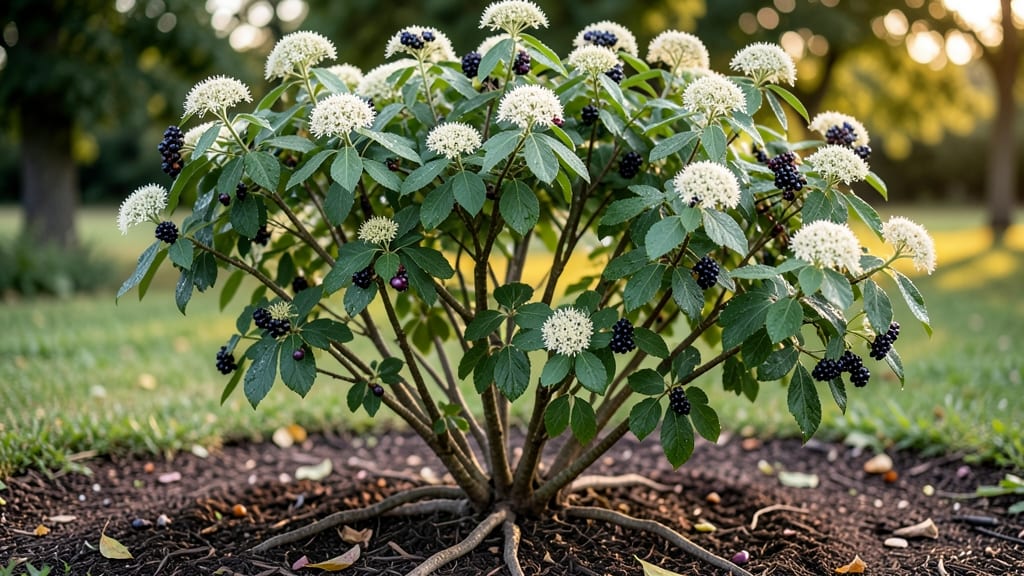
Elderberry bush height by variety: from dwarf to giant sizes
Elderberry bushes (Sambucus spp.) are among the fastest-growing shrubs in your garden, with mature heights ranging from compact 3-foot dwarf varieties to towering 15-foot giants.
The variety you choose will determine not only how tall your elderberry grows but also its spread, berry production, and suitability for your space. Whether you're planning a privacy screen, a container garden, or a hedgerow, knowing these height differences is essential for success.
Most elderberry varieties fall into the 6–12-foot range, making them ideal for larger backyards or rural properties. However, some rare dwarf cultivars (like 'Black Beauty Compact') stay under 5 feet, perfect for small urban gardens or patio containers.
Meanwhile, standard varieties like 'York' or 'Adams' can reach 12–15 feet, providing lush privacy but requiring careful spacing and pruning.
Here’s the key: height isn’t the only factor. Elderberries also spread 3–8 feet wide, so their total footprint matters just as much as their vertical growth. For example, a 10-foot-tall bush with a 6-foot spread will need 12–15 feet of space to thrive without overcrowding.
Let’s break down the most popular varieties and their mature sizes to help you choose the right fit for your garden.
If you’re working with limited space, opt for 'Black Beauty Compact' or similar dwarf varieties. These stay under 5 feet tall and are perfect for patio pots (15–20 gallons) or small garden beds.
Just remember: even dwarf elderberries need full sun (6+ hours daily) and well-draining soil to prevent root rot. Without these, even the smallest varieties can struggle to reach their full potential.
For maximizing berry production, taller varieties like 'Kelsey' or 'York' are excellent choices. They produce larger yields due to their vigor and height, but they’ll need more space—at least 10 feet between plants to avoid competition.
If you’re growing elderberries for privacy, 'Adams' or 'Blue Lake' are top picks, as their 10–15-foot height creates an impenetrable barrier in just a few years.
One common misconception is that all elderberries grow equally tall. In reality, their height is influenced by climate, pruning, and soil quality. For example, elderberries in USDA Zone 5 may grow 2–3 feet shorter than those in Zone 7 due to colder winters stunting growth.
Additionally, regular pruning can keep even the tallest varieties (like 'Adams') under control—cutting back by 1/3 annually encourages bushier growth and better berry production.
Before planting, check your local frost dates and soil type. Elderberries thrive in well-draining, slightly acidic soil (pH 5.0–6.5) and full sun to partial shade. If your soil is clay-heavy or waterlogged, amend it with compost and sand to improve drainage.
Poor soil conditions can stunt growth and reduce berry quality, even in fast-growing varieties.
Pro tip: If you’re unsure about spacing, start with 3–4 bushes and observe their growth pattern for a season. Elderberries are fast growers, so their first-year height (3–5 feet) can double by year three.
Plan accordingly to avoid overcrowding, which leads to weak branches, fewer berries, and disease risks like powdery mildew.
🫐
How to space elderberry bushes for optimal growth & harvest
Spacing elderberry bushes correctly is the secret to maximizing berry production while keeping your garden tidy.
These shrubs spread wider than they grow tall, so giving them room to breathe prevents overcrowding and disease. Most varieties need 6–10 feet between plants, but dwarf types can thrive in tighter spaces—just 3–4 feet apart.
Proper spacing also improves airflow, reducing fungal risks like powdery mildew, which can plague dense elderberry thickets.
If you're planting elderberries as a privacy screen or hedge, aim for 3–4 feet apart for a dense, lush barrier. For fruit production, wider spacing (8–10 feet) ensures each bush gets enough sunlight and nutrients.
I’ve seen gardeners cram elderberries too close together, only to watch their yields drop by 50% due to competition for resources. Don’t make that mistake—plan ahead!
Here’s how to adjust spacing based on your goals:
| Purpose | Spacing (Feet) | Notes |
|---|---|---|
| Privacy Screen | 3–4 | Plant tightly for a dense hedge; prune annually. |
| Berry Production | 6–10 | Maximizes sunlight and airflow for fruit yield. |
| Container Growing | N/A (1 plant per pot) | Use dwarf varieties in 15+ gallon pots. |
| Wildlife Habitat | 8–12 | Encourages pollinators and birds with open spacing. |
Pruning plays a huge role in controlling height and shape. I recommend late winter or early spring pruning to remove dead or crossing branches before new growth starts. For taller varieties like Sambucus canadensis, cut back one-third of the oldest stems to the ground each year.
This keeps the bush productive and prevents it from becoming a tangled mess. Use sharp loppers or a pruning saw for thicker branches—never pull or tear them!
Companion planting can also help manage space. Pair elderberries with comfrey or borage to improve soil fertility, or add lavender or rosemary nearby to deter pests. Avoid planting them near walnut trees, though—their roots release juglone, a toxin that stunts elderberry growth.
I’ve seen elderberries thrive in mixed borders with perennials like bee balm or coneflowers, creating a low-maintenance, pollinator-friendly garden.
For a quick spacing calculator, multiply your desired row length by the spacing feet, then add 2 feet for walkways. For example, a 10-foot row with 6-foot spacing needs 12 feet total (10 + 2).
Sketch your garden layout first—elderberries look stunning along fences or near patios, but they’ll need room to spread their roots 3–4 feet beyond the dripline. With the right spacing, you’ll enjoy bountiful harvests without the hassle of overgrowth!