
How To
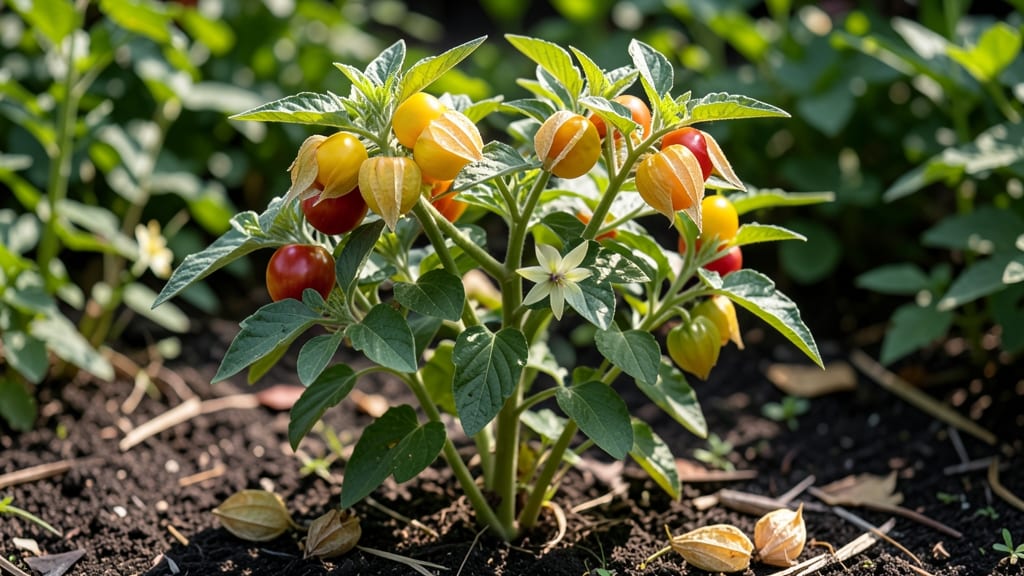
Ground cherry plant height by variety: compact options for small gardens
Ground cherries (Physalis pruinosa and Physalis ixocarpa) are one of the most space-efficient edible plants you can grow, making them perfect for small gardens, containers, and urban spaces. Unlike sprawling vines, most varieties stay compact and bushy, reaching heights between 1 to 3 feet at maturity.
This means you can grow them in pots, window boxes, or tight garden beds without sacrificing flavor or yield.
If you’re working with limited space, choosing the right variety is key. Some ground cherries grow as short as 12 inches, while others can stretch toward 3 feet.
Below, I’ve broken down the most popular varieties by their mature height, growth habit, and ideal spacing—so you can pick the perfect fit for your garden layout.
🌱 Pro Tip: Always check seed packets or plant tags for exact height ranges, as growing conditions (like sunlight and soil quality) can influence final size. For example, container-grown plants may stay slightly shorter than those in the ground.
| Variety | Mature Height | Growth Habit | Ideal Spacing (inches) | Best For |
|---|---|---|---|---|
| Golden Baby | 12–18 inches | Bushy, compact | 12–18" | Containers, window boxes |
| Pineapple | 18–24 inches | Semi-bushy, slightly sprawling | 18–24" | Raised beds, small gardens |
| Black Beauty | 24–36 inches | Tall, upright | 24–36" | Back of borders, trellises |
| Scarlet Embers | 18–24 inches | Bushy, slightly trailing | 18–24" | Containers, hanging baskets |
| Mexican Strawberry | 24–36 inches | Vining, sprawling | 30–36" | Trellises, large beds |
For ultra-compact gardens, I recommend starting with Golden Baby or Scarlet Embers. These varieties stay under 2 feet and thrive in 5-gallon containers, making them ideal for balconies, patios, or even indoors near a sunny window.
If you have a bit more space, Pineapple ground cherries offer a balance of productivity and manageable height.
If you’re growing ground cherries in rows or beds, aim for 18–24 inches of spacing between plants. This prevents overcrowding, which can lead to taller, leggier growth as plants compete for sunlight.
For trellis-trained varieties like Mexican Strawberry, space plants 3 feet apart and provide a sturdy support structure to keep them contained.
💡 Quick Tip: If you’re unsure about spacing, err on the side of giving your plants a little extra room. Ground cherries are forgiving, and you can always prune back any overgrowth later in the season.
One common misconception is that ground cherries need lots of vertical space. While some varieties do climb, most stay low to the ground, making them a great ground cover option. Their papery husks also make them decorative, adding texture to your garden even when they’re not fruiting.
For container gardening, choose a pot that’s at least 12 inches deep and wide. Dwarf varieties like Golden Baby will do well in hanging baskets, while taller types need sturdy pots with drainage holes to prevent root rot.
Always use a lightweight potting mix to keep containers manageable.
If you’re growing ground cherries in shadier conditions, expect them to stay slightly shorter. While they prefer full sun (6–8 hours daily), they’ll tolerate partial shade (4–6 hours), though yields may be lower. In shady spots, focus on dwarf varieties to keep plants from becoming leggy.
Finally, remember that ground cherries are annuals in most climates, so you’ll replant each year. This gives you the flexibility to rotate varieties or adjust spacing based on your garden’s layout. With the right variety and a little planning, you can enjoy bountiful harvests without sacrificing space.
Now that you know which varieties fit your garden best, let’s talk about how to keep them at their ideal height—even if they start to sprawl. Stay tuned for my next section on pruning and training tips for managing ground cherry growth! 🌿
Ground cherry plant height by variety: compact options for small gardens
Ground cherries (Physalis pruinosa and Physalis ixocarpa) are one of the most space-efficient fruits you can grow, making them perfect for small gardens, containers, and urban plots. While most varieties stay compact, their mature height can vary based on the specific cultivar and growing conditions.
Let’s break down what to expect from popular varieties so you can choose the best fit for your space.
If you’re working with limited square footage, you’ll love that ground cherries typically reach 1 to 3 feet tall at maturity. Some dwarf varieties even stay under 1.5 feet, making them ideal for container gardening or tight garden beds.
The key is selecting the right variety and providing proper spacing and support to prevent sprawl.
Here’s a quick look at how different ground cherry varieties compare in height and growth habit:
| Variety | Mature Height | Growth Habit | Ideal Spacing |
|---|---|---|---|
| Golden Baby | 1–1.5 ft | Bushy, compact | 12–18 inches apart |
| Pineapple | 2–3 ft | Semi-vining, sprawling | 18–24 inches apart |
| Black Beauty | 2–3 ft | Bushy, upright | 18–24 inches apart |
| Jamaica Yellow | 1.5–2.5 ft | Compact, bushy | 12–18 inches apart |
For container gardening, opt for dwarf varieties like Golden Baby or Jamaica Yellow, which thrive in 5-gallon pots or larger. Even the taller varieties, like Pineapple, can be trained to stay manageable with proper pruning and trellising.
Just ensure your containers have drainage holes and use well-draining soil to prevent root rot.
When planting in ground beds, give taller varieties like Pineapple or Black Beauty a bit more horizontal space (up to 24 inches apart) to avoid overcrowding. Overcrowding can lead to taller, leggier growth as plants compete for sunlight and nutrients.
If you’re short on space, consider interplanting with low-growing companions like basil or lettuce to maximize your garden’s efficiency.
One of the best things about ground cherries is their adaptability—whether you’re growing them in containers, raised beds, or in-ground, they’ll reward you with sweet, tangy fruit without taking over your garden.
Just remember: soil health, sunlight, and spacing are the keys to keeping them compact and productive.