
How To
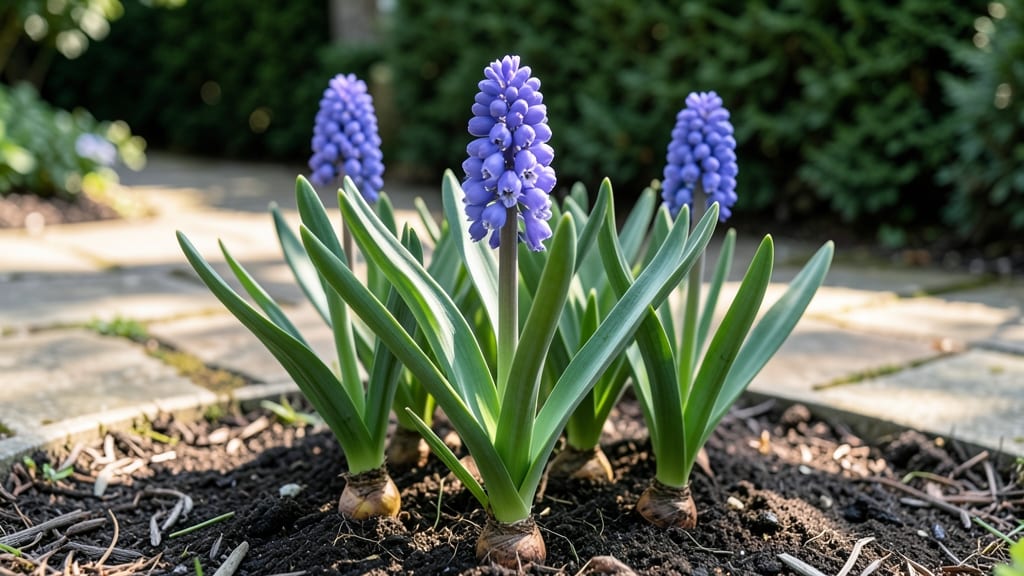
If you’ve ever wondered how tall do hyacinth grow before planting them in your garden, you’re not alone. These fragrant blooms can range from 6 inches to nearly 2 feet, depending on the variety and care you provide.
Knowing their mature height helps you plan borders, containers, or even window boxes without ending up with overgrown giants or stunted shrubs.
For gardeners in USDA Zone 6a, timing matters too—planting hyacinths in fall (September-November) sets the stage for their spring show. But did you know some varieties, like the ‘Annette’, stay compact while others like ‘King of the Blues’ reach their full height?
Let’s break down the exact ranges so you can pick the perfect fit for your space.
The key to getting the height you want lies in soil prep, sunlight, and spacing. Too much nitrogen can send stems skyrocketing, while poor drainage might stunt their growth.
I’ll share the most important tips to keep your hyacinths perfectly proportioned—whether you’re aiming for a neat border or a dramatic container display.
Ready to avoid those “too tall for the spot” mistakes? By the end of this guide, you’ll know exactly which varieties to choose, how to position them, and even how to troubleshoot unexpected growth. Let’s get your garden looking intentional from the first bloom!


Hyacinth height ranges by variety: from compact to towering
Hyacinths are versatile spring bloomers that can range from dwarf varieties perfect for rock gardens to taller types that make bold statements in borders. Their mature height depends entirely on the variety, with some reaching just 6 inches while others stretch toward 24 inches.
Understanding these differences helps you choose the right plants for your garden's layout and style.
Most gardeners assume all hyacinths reach similar heights, but the truth is far more exciting. Dwarf varieties like Hyacinthus orientalis 'Woodstock' stay under 10 inches, while giant types such as H. litwinowii can top 20 inches.
Even within the same species, height variations of 6-12 inches are common, making variety selection critical for design planning.
The most popular varieties fall into three height categories: dwarf (6-10 inches), standard (12-18 inches), and tall (18-24 inches). Each category serves different garden purposes—dwarfs for containers and edges, standards for borders, and tall types as focal points.
Let's explore these ranges in detail to help you visualize their impact.
🌷 Visual Guide to Hyacinth Heights:
| Variety | Height Range | Best For | Planting Tip |
|---|---|---|---|
| H. orientalis 'Annette' | 6-10 inches | Containers, rock gardens | Plant 3-4 bulbs together |
| H. orientalis 'Jan Bos' | 10-14 inches | Border edges, window boxes | Space 4 inches apart |
| H. orientalis 'Delft Blue' | 12-18 inches | Mixed borders, cottage gardens | Group in odd numbers |
| H. litwinowii 'Pink Pearl' | 18-24 inches | Back of borders, focal points | Plant 6 inches deep |
| H. orientalis 'Woodstock' | 6-10 inches | Alpine gardens, patio pots | Use well-draining soil |
For first-year growth, expect hyacinths to reach about half their mature height. A 12-inch variety might only grow 6 inches in its first spring, while taller types like 'Pink Pearl' could surprise you with 10-inch stems by early April.
This gradual growth is why many gardeners prefer planting multiple bulbs together—they create a fuller look faster.
One common mistake is assuming all hyacinths need the same spacing. Dwarf varieties planted too far apart look sparse, while tall types crowded together can flop over. A good rule of thumb is to space bulbs 3-6 inches apart, adjusting based on mature height.
For example, plant dwarf varieties 3 inches apart and tall types 6 inches apart to prevent overcrowding.
If you're designing a spring container garden, combine dwarf hyacinths with low-growing perennials like ajuga or heuchera to create layers. For border plantings, place taller varieties at the back and shorter ones in front to build visual depth.
This technique works especially well when pairing hyacinths with tulips or daffodils, which bloom at similar times.
Remember that soil quality and sunlight exposure can influence height slightly. Poor soil may stunt growth, while excessive nitrogen can make stems leggy and weak.
Aim for well-draining, slightly acidic soil (pH 6.0-7.0) and full sun (6+ hours daily) to encourage healthy, sturdy stems that reach their full potential height.
For container gardening, choose dwarf or semi-dwarf varieties to avoid overpowering smaller pots. A 10-inch hyacinth in a 12-inch pot looks elegant, while a 20-inch variety would overwhelm the space.
If you love tall hyacinths but have limited space, consider upright containers or hanging baskets to showcase their height vertically.
Hyacinths also rebloom over multiple years if cared for properly,
Hyacinth height ranges by variety: from compact to towering
Hyacinths (Hyacinthus spp.) offer a delightful range of heights, from dwarf varieties that stay under a foot to taller types reaching nearly two feet. Understanding these variations helps you choose the perfect fit for your garden layout, whether you're planting near pathways, in borders, or containers.
Most hyacinths mature between 12 to 18 inches, but some dwarf varieties can stay as short as 6 inches.
The height of your hyacinths depends heavily on the variety you select and growing conditions. For example, Hyacinthus orientalis ‘Annette’ typically stays compact at 8 to 12 inches, making it ideal for rock gardens or front-of-border plantings.
In contrast, H. litwinowii can stretch up to 18 inches, perfect for adding vertical interest to mixed borders. Even within the same species, height can vary by 2 to 4 inches based on soil fertility and sunlight.
🌷 Hyacinth Height Comparison by Variety
| Variety | Mature Height | Best For | Spacing |
|---|---|---|---|
| H. orientalis ‘Annette’ | 6–10 inches | Rock gardens, containers | 4 inches apart |
| H. orientalis ‘Woodstock’ | 10–14 inches | Borders, cottage gardens | 5 inches apart |
| H. orientalis ‘Jan Bos’ | 12–18 inches | Back of borders, mass plantings | 6 inches apart |
| H. litwinowii (Giant Hyacinth) | 18–24 inches | Vertical accents, woodland edges | 8 inches apart |
Note: Heights can vary by 2–4 inches based on growing conditions.
When planning your garden, consider not just the height at maturity but also the spread of foliage. Most hyacinths have a spread of 4 to 6 inches, so allow extra space if you're planting them in groups.
For example, a 12-inch-tall variety like ‘Jan Bos’ needs about 6 inches of space between plants to prevent overcrowding, while dwarf types like ‘Annette’ can be planted just 4 inches apart.
If you're growing hyacinths in containers or pots, opt for dwarf varieties or semi-dwarf types like ‘Woodstock.’ These stay under 14 inches and thrive in 10-inch-wide containers with well-draining soil. Larger varieties may need 12-inch or larger pots to support their height and prevent tipping.
Always use a pot with drainage holes to avoid root rot, which can stunt growth and reduce flower production.
For spring blooming impact, pair taller hyacinths (18+ inches) with low-growing perennials like creeping thyme or ajuga. This creates a layered effect that highlights the hyacinths' height while keeping the garden balanced.
In rock gardens or alpine settings, dwarf hyacinths shine alongside sedums or dwarf iris, where their compact size adds charm without overwhelming the space.
Pro tip: If you're unsure about a variety’s height, check the label or seed packet for mature size details. Many nurseries now list height ranges, which can save you from planting a 2-foot giant in a spot meant for 6-inch dwarfs.
Happy planting—your garden’s vertical balance will thank you! 🌿