
How To
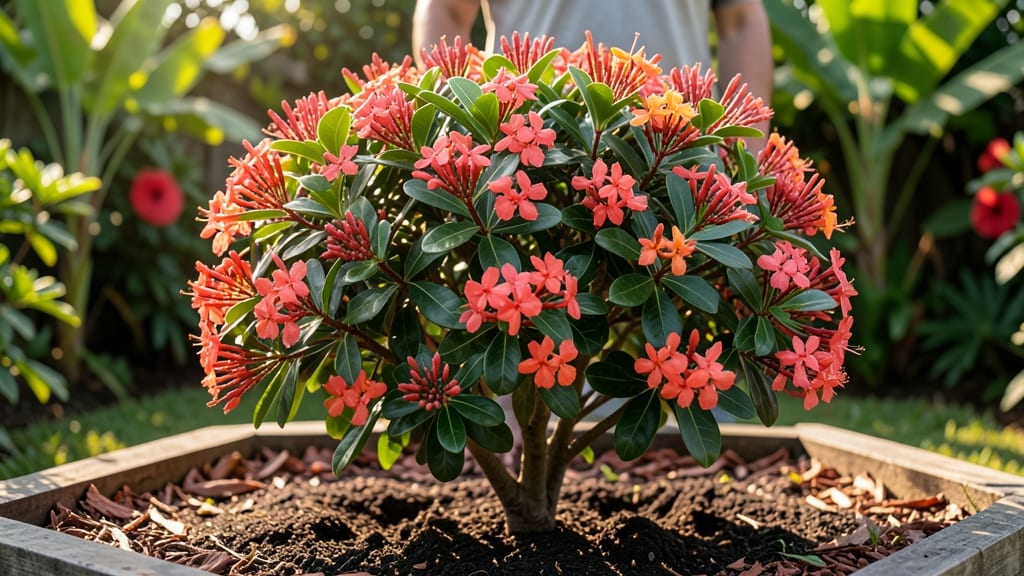
How tall do ixora grow—that’s the question keeping many gardeners up at night, especially when planning their spring planting schedule. This stunning 🌺 shrub can transform your yard with its vibrant blooms, but size matters when choosing the perfect spot. Whether you’re working with a small balcony garden or a sprawling backyard, knowing the right height expectations will help you avoid surprises down the road.
The answer isn’t one-size-fits-all, though. Some ixora varieties stay compact at just 2-3 feet, making them ideal for containers or tight spaces, while others stretch toward 6 feet or more when left unchecked.
The key lies in understanding your specific variety and how factors like pruning, sunlight, and soil quality influence its growth trajectory.
Let’s break it down—because the last thing you want is a 4-foot shrub taking over your patio or a 3-foot beauty looking lost in a corner.
I’ll share the exact height ranges for popular ixora types, plus the simple care tricks to keep your plant at your ideal size, whether you prefer a neat hedge or a lush, billowy statement piece.
Ready to plan your dream ixora display? You’ll walk away knowing exactly how tall your plant will grow—and how to shape it to fit your space perfectly. Let’s get started!


Ixora plant height by variety: from compact to towering shrubs
Ixora plants are famous for their clustered, vibrant blooms and lush foliage, but their mature height can vary dramatically depending on the variety. If you're planning your garden layout, knowing these height expectations will help you choose the perfect ixora for your space.
Most ixora varieties fall between 2 to 6 feet tall, but some dwarf types stay as short as 1.5 feet.
For example, the Ixora coccinea, also called the jungle flame, is one of the most popular varieties and typically reaches 3 to 5 feet tall at maturity. This makes it an excellent choice for mid-height garden beds or as a privacy screen in smaller yards.
Meanwhile, the Ixora chinensis can grow even taller, often exceeding 5 feet in ideal conditions.
If you're working with limited space, consider dwarf ixora varieties like Ixora parviflora, which max out around 2 to 3 feet tall. These are perfect for container gardening, patio planters, or even as bushy hedges along walkways.
The key to keeping them compact is regular pruning and proper care, which we'll cover in the next section.
Here’s a quick comparison to help you visualize: a standard ixora bush (4-6 feet) is roughly the height of a standard kitchen counter (36 inches), while a dwarf variety (2-3 feet) is closer to the height of a small bookshelf.
This makes them versatile for everything from balcony gardens to landscape borders.
| Variety | Mature Height | Best For | Notes |
|---|---|---|---|
| Ixora coccinea (Jungle Flame) | 3–5 ft | Mid-height beds, privacy screens | Bright red/orange blooms; thrives in heat |
| Ixora chinensis | 4–6 ft | Tall hedges, landscape accents | White/pink flowers; fast-growing |
| Ixora parviflora (Dwarf) | 2–3 ft | Containers, patios, small gardens | Compact growth; ideal for pruning |
| Ixora 'Little Gem' | 1.5–2.5 ft | Bonsai-style, window boxes | Miniature blooms; slow-growing |
| Ixora 'Compact Star' | 2.5–4 ft | Foundation plantings, borders | Star-shaped flowers; disease-resistant |
When selecting an ixora variety, also consider its spread potential. Most ixora bushes grow 3 to 4 feet wide, so you’ll need at least 6 feet of space between plants if you’re using them as hedges or screens.
For container gardening, choose a pot that’s at least 12–18 inches wide to accommodate root growth.
If you’re growing ixora in USDA Zones 9–11, where they thrive year-round, you can expect faster growth and larger mature sizes. In cooler climates (Zones 6–8), ixora may grow more slowly and stay slightly shorter unless you provide winter protection, like mulching or moving potted plants indoors.
One common mistake gardeners make is assuming all ixora plants will reach their maximum height quickly. In reality, it can take 2–3 years for a young ixora to reach its mature size.
Patience and consistent care—like regular watering and seasonal pruning—will ensure your plant grows to its full potential without becoming leggy or overcrowded.
For those with small gardens or urban spaces, I recommend starting with dwarf varieties like Ixora parviflora or 'Little Gem'. They’re just as vibrant and low-maintenance as their taller counterparts but won’t overwhelm your outdoor space.
Plus, their compact size makes them easier to prune and shape to your liking.
Ixora plant height by variety: from compact to towering shrubs
Ixora plants are prized for their vibrant, cluster-like flowers and glossy foliage, but their mature height varies dramatically depending on the variety. Understanding these differences helps you choose the perfect ixora for your garden space—whether you want a low hedge or a tall tropical statement plant.
Most ixora varieties fall between 2 to 6 feet tall, but some dwarf types stay under 3 feet.
For example, the Ixora coccinea (common ixora) typically reaches 4 to 6 feet tall with proper care, making it ideal for background plantings or privacy screens. In contrast, the Ixora parviflora remains more compact at 2 to 3 feet, perfect for container gardens or small patios.
Even within the same species, growth habits can shift based on pruning practices and growing conditions.
| Variety | Mature Height | Growth Habit | Best For |
|---|---|---|---|
| Ixora coccinea | 4–6 ft | Upright, bushy | Privacy screens, borders |
| Ixora chinensis | 3–5 ft | Compact, rounded | Foundation plantings |
| Ixora parviflora | 2–3 ft | Dwarf, sprawling | Containers, small gardens |
| Ixora 'Little Gem' | 2–3 ft | Dense, mounded | Hedges, borders |
If you’re growing ixora in containers, expect heights to stay 10–20% shorter than their ground-planted counterparts. Root restriction naturally limits growth, but you can still achieve 3 to 4 feet tall in large pots with proper care.
For indoor ixora (less common but possible in bright spaces), heights rarely exceed 2 feet due to limited light and space.
One of the biggest myths about ixora height is that all varieties grow tall. In reality, dwarf ixora like 'Little Gem' or 'Compacta' are bred specifically to stay under 3 feet.
These make excellent choices for urban gardens or small yards where space is limited. Always check the plant tag or nursery description for height expectations before purchasing.
Your ixora’s height also depends on whether you’re growing it as a single-stem specimen or allowing it to branch naturally. Pruned ixora can be kept at desired heights (even as low as 2 feet for topiary shapes), while neglected plants may stretch taller than expected.
Regular light pruning encourages bushier growth and prevents legginess.
For gardeners in warmer climates (USDA Zones 9–11), ixora can grow faster and taller due to year-round growing conditions. In cooler zones (like Zone 8), expect slightly slower growth and winter dormancy, which may limit mature height by 6–12 inches.
Always acclimate young plants gradually to avoid shock.