
How To
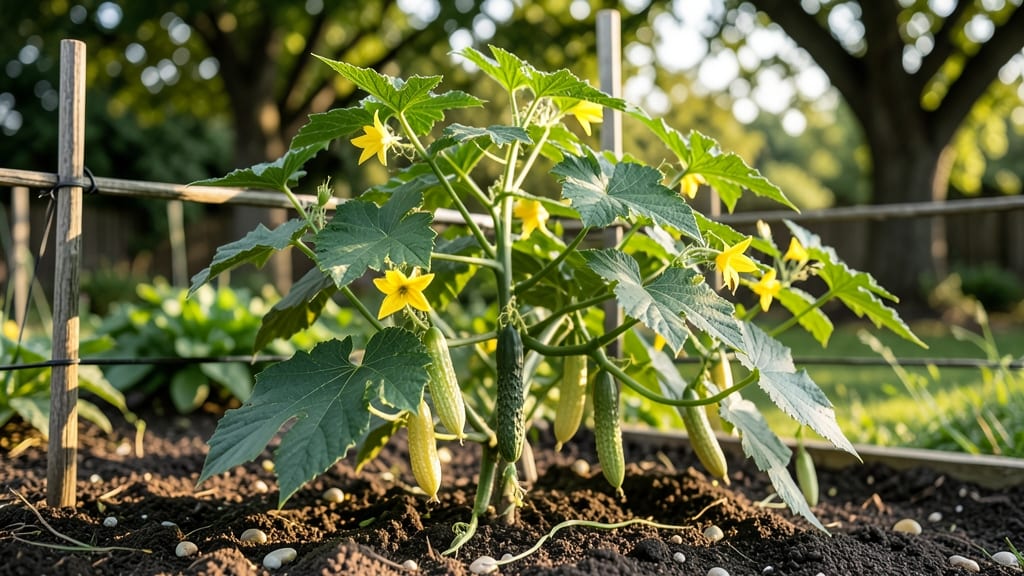
Wondering how tall lemon cucumbers grow before they take over your garden? These zesty little 🥒 plants might surprise you—they’re not just compact, but they also thrive in small spaces without sacrificing flavor.
Most lemon cucumber varieties climb 6 to 10 feet when given a trellis, but their sprawling vines can stretch even longer if left unchecked. The good news? With the right support and pruning, you can keep them manageable—even in containers or tight garden beds.
If space is your biggest concern, don’t worry. Some varieties, like ‘Lemon Drop,’ stay shorter and bushier, making them perfect for balconies or small plots. I’ll show you how to choose the right type and keep their growth under control.
Ready to grow these tangy cucumbers without the chaos? Let’s break down everything you need to know—from spacing to trellising—to make the most of your garden, no matter how small.


Lemon cucumber growth height: what to expect from compact varieties
Lemon cucumbers (Cucumis melo var. flexuosus) are a fantastic choice for gardeners with limited space, thanks to their compact growth habits compared to traditional cucumbers. While they still climb, their mature height typically ranges from 3 to 8 feet, depending on the variety and growing conditions.
Without support, vines may sprawl up to 10 feet, but with proper trellising or pruning, you can keep them much shorter and more manageable.
One of the biggest advantages of lemon cucumbers is their vertical growth potential, which makes them ideal for small gardens, balconies, or containers.
Unlike bush varieties, they aren’t fully dwarf, but their controlled height and efficient vine spread (about 3 to 5 feet wide) make them perfect for tight spaces. If you’re growing them in containers, expect slightly shorter vines—around 4 to 6 feet—since root space is limited.
🌱 Lemon Cucumber Growth Summary
| Variety | Mature Height (ft) | Vine Spread (ft) | Best For |
|---|---|---|---|
| Lemon Drop | 4-6 ft (trellised) | 3-4 ft | Containers, small gardens |
| Sweet Success | 5-7 ft (trellised) | 4-5 ft | Vertical gardens, trellises |
| Bush Champion | 3-5 ft (no trellis) | 2-3 ft | Balconies, small pots |
| Space Master | 6-8 ft (trellised) | 3-4 ft | Vertical supports, urban gardens |
Note: Heights vary based on trellising, pruning, and container size.
If you’re growing lemon cucumbers in ground beds, they’ll naturally reach their full height of 6 to 10 feet without intervention. However, trellising can reduce this by 30-50%, making them easier to manage and harvest.
For container gardening, choose shorter varieties like 'Lemon Drop' or 'Bush Champion' to avoid overcrowding. These varieties thrive in 5-gallon buckets or hanging baskets with proper support.
One common misconception is that lemon cucumbers are bush-type plants, but they’re actually vining cucumbers that benefit from vertical support. Unlike bush beans or compact tomatoes, they won’t stay short without guidance.
That’s why trellises, cages, or stakes are essential for controlling their height and spread. Without support, their vines can become unruly and difficult to maintain, especially in small spaces.
For first-year growth, expect lemon cucumbers to reach 3 to 5 feet by mid-summer if planted in well-draining soil with full sun exposure.
In warmer climates (USDA Zones 8-10), they may grow faster and taller, while in cooler zones (6-7), their growth will be slower and more compact. Always monitor vine growth and prune aggressively to encourage bushier, shorter vines if space is limited.
Another factor influencing height is pruning. Regularly pinching back the tips of vines can reduce height by up to 2 feet while increasing fruit production. This technique is especially useful for container-grown plants, where root space is restricted.
Just avoid over-pruning, as it can stress the plant and reduce yield. Aim to trim only the topmost leaves to encourage lateral growth.
When planning your garden layout, account for both height and spread. Lemon cucumbers may not take up much vertical space, but their horizontal reach can still be significant.
If you’re growing them alongside other plants, leave at least 3 feet of clearance to prevent shading or competition for nutrients. Pairing them with shorter companions like basil or lettuce works well, as long as the cucumbers have priority access to sunlight.
For urban gardeners or balcony growers, consider hanging planters with built-in trellises. These systems keep vines contained and upright, making harvesting a breeze. Just ensure the container is large enough (at least 10 gallons) to support root growth and provide drainage to prevent waterlogging.
With the right setup, you can enjoy fresh lemon cucumbers without sacrificing precious outdoor space.
Finally, remember that harvesting regularly also influences vine growth. When you pick cucumbers frequently, the plant focuses energy on producing more fruit rather than elongating vines. Aim to harvest every 2-3 days during peak season to keep plants compact and productive.
This simple habit can reduce mature height by 1-2 feet while boosting your yield.
Lemon cucumber growth height: what to expect from compact varieties
Lemon cucumbers (Cucumis melo var. flexuosus) are a fantastic choice for gardeners with limited space, as their compact growth habits make them ideal for containers, small gardens, and even vertical gardening.
Unlike their sprawling standard cucumber cousins, these varieties typically reach mature heights of 3 to 6 feet when properly trellised, though some can stretch up to 8 feet if left unchecked. Their vine spread is equally manageable, making them perfect for urban balconies or patios.
The key to controlling their height lies in variety selection and support systems. For example, the popular 'Lemon Drop' variety stays under 5 feet tall when trained, while 'Sweet Success' can climb 6 to 7 feet with the right trellis.
Without support, vines may sprawl 6 to 10 feet, but this rarely happens with modern compact varieties designed for small spaces. Always check seed packets for specific height ranges—this saves time and frustration later!
| Variety | Mature Height (ft) | Vine Spread (ft) | Best Support |
|---|---|---|---|
| Lemon Drop | 3–5 ft | 4–6 ft | Trellis or cage |
| Sweet Success | 5–7 ft | 6–8 ft | Strong trellis |
| Bush Champion | 2–4 ft | 3–5 ft | Container or small cage |
One of the biggest misconceptions about lemon cucumbers is that they don’t need support—this couldn’t be further from the truth! Without a trellis, cage, or sturdy stakes, vines will sprawl, leading to poor air circulation (which invites pests and diseases) and smaller yields.
I’ve seen firsthand how a simple 5-foot tomato cage can transform a rambling vine into a neat, productive plant. For containers, use vertical slats or netting to guide growth upward while keeping roots contained.
Another factor influencing height is pruning. Regularly pinching back side shoots (those tiny stems growing from the main vine) encourages stronger vertical growth and bigger cucumbers. Aim to prune every 2 to 3 weeks during the growing season.
Just avoid over-pruning—leaving 3 to 5 main vines per plant ensures a balance between height control and fruit production. Pro tip: Always prune in the morning when plants are hydrated and can recover faster.
If you’re growing lemon cucumbers in containers, expect slightly shorter heights (2 to 4 feet) due to root restrictions. However, this doesn’t mean you’ll sacrifice yield—compact varieties like 'Bush Champion' produce just as well in 5-gallon buckets as they do in garden beds.
Just ensure your container has drainage holes and at least 12 inches of depth for healthy root development. For larger containers (10+ gallons), you can even grow taller varieties like 'Sweet Success' with proper support.
Finally, don’t forget that soil quality and sunlight play huge roles in height regulation. Lemon cucumbers thrive in well-draining, nutrient-rich soil with full sun exposure (6+ hours daily). Poor soil or shade will stunt growth, making vines leggy and weak.
Amend your soil with compost or aged manure before planting, and consider a balanced fertilizer (5-10-10) every 4 to 6 weeks to keep them growing strong and compact. With the right care, you’ll enjoy bountiful harvests without the space hassle!