
How To
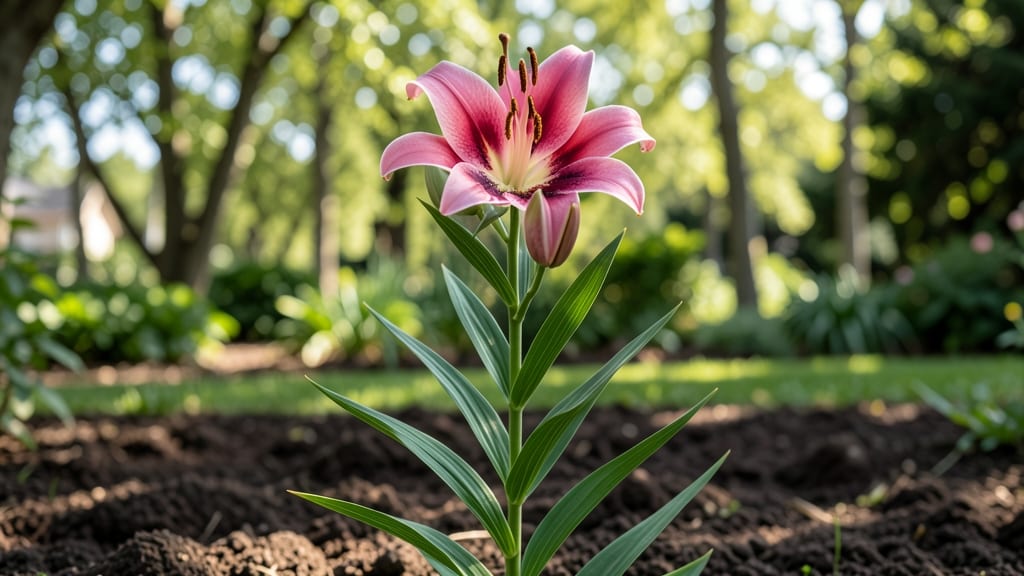
If you're dreaming of a garden bursting with dramatic blooms, knowing how tall do lilies grow could make or break your layout plans. These stunning 🌸 flowers aren't one-size-fits-all - some varieties stretch skyward like nature's skyscrapers, while others stay compact enough for container gardens.
The height difference between lily varieties is mind-blowing - we're talking everything from 1-foot dwarf beauties to 8-foot giants that could outshine your fence. This variation means your garden can have both grand statements and delicate accents in the same space, if you plan carefully.
Whether you're working with a small urban yard or a sprawling countryside plot, understanding these height ranges helps you avoid the classic gardening mistake of overcrowding your tallest lilies.
I'll show you exactly how to use this information to create a showstopping display that works with your space - not against it.
From the compact charm of Asiatic lilies to the towering presence of Oriental varieties, each type has its own growth story. Let's explore how to choose the perfect lilies for your garden's vertical vision, so you can enjoy their breathtaking blooms without the headache of overgrowth.


Lily height ranges by variety: from dwarf to giant species
When planning your garden, knowing how tall lilies grow helps you choose the perfect varieties for your space. Lilies range from dwarf species under 2 feet to giant varieties reaching 8 feet. The right selection ensures your floral display thrives without overcrowding other plants.
Most lilies fall into four height categories: dwarf (1-2 ft), medium (2-4 ft), tall (4-6 ft), and giant (6-8 ft). Each category offers stunning blooms but requires different spacing and sunlight considerations for optimal growth.
For small gardens, dwarf varieties like Daylilies or Asiatic Lilies work beautifully in containers or front borders. Their 1-3 foot height keeps them manageable while adding vibrant color.
In medium-sized gardens, Oriental Lilies (3-6 ft) create stunning vertical accents. Place them near fences or along pathways to maximize their height without blocking sunlight for shorter plants.
If you have a large garden or open space, Trumpet Lilies (4-8 ft) make dramatic statements. Their towering stems support large, showy blooms perfect for cutting or standalone displays.
Always consider mature height when spacing lilies. Most varieties need 12-24 inches of space between plants to prevent overcrowding and improve airflow, reducing disease risk.
For urban gardens or balconies, choose dwarf or container-friendly varieties like Miniature Daylilies (1-2 ft) or Asiatic Lilies in large pots. These thrive with 6+ hours of sunlight and minimal space.
Pro tip: Use stakes or cages for taller varieties to prevent flopping in windy conditions. This keeps your garden neat while showcasing those stunning blooms at eye level.
How lily height affects garden layout and companion planting
When planning your garden, lily height isn’t just about aesthetics—it’s a game-changer for spacing, sunlight exposure, and even companion planting. Tall lilies like Oriental varieties can tower over 6 feet, while dwarf lilies stay under 2 feet.
This dramatic range means your garden’s vertical space can be used strategically to create layers and maximize bloom visibility.
Start by grouping lilies by height zones to avoid shading smaller plants. For example, place tall lilies (6-8 ft) at the north or west edges of your garden, where they won’t block sunlight from shorter neighbors.
This ensures sun-loving companions like lavender or rosemary still get their 6+ hours of sunlight daily.
🌱 Height-Zone Planting Guide
- Zone 1 (Dwarf, 1-2 ft): Plant near front borders, containers, or with ground covers like creeping thyme.
- Zone 2 (Medium, 2-4 ft): Ideal for mid-garden beds; pair with perennials like coneflowers or salvia.
- Zone 3 (Tall, 4-6 ft): Place along fences or trellises; combine with ornamental grasses for texture.
- Zone 4 (Giant, 6-8 ft): Reserve for backdrop roles; avoid planting near shade-sensitive plants like impatiens.
For companion planting, pair tall lilies with deep-rooted plants like peonies or daylilies to reduce competition. Smaller lilies thrive near bulbs such as tulips or daffodils, which bloom earlier and won’t be overshadowed.
Avoid planting lilies near aggressive spreaders like mint or bamboo, as they can crowd out your lilies’ nutrients.
Pro tip: Use staking or cages for tall varieties to prevent flopping, especially in windy areas. This not only keeps your lilies upright but also creates a structured backdrop for your entire garden design.
For example, a 6-foot Oriental lily staked with bamboo can serve as a stunning focal point behind a 3-foot rose bush.
If you’re working with limited space, opt for dwarf or semi-dwarf lilies in containers. These varieties (like 'Little Champion' or 'Stargazer' lilies) stay compact yet still deliver bold blooms. Place them on patios or balconies to add height without overwhelming your layout.
Remember, soil drainage is critical for all lilies, regardless of height. Amend heavy soil with compost or sand to prevent root rot, especially for taller varieties that may struggle in waterlogged conditions. With the right placement, your lilies will thrive—and so will your entire garden’s harmony.