
Flowers
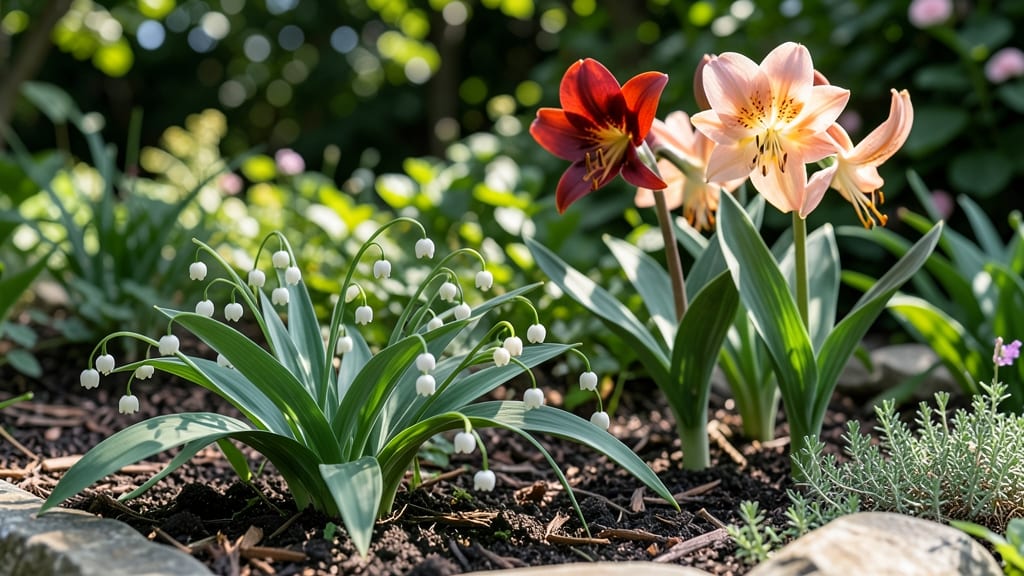
If you're planning your garden and wondering "how tall do lily plants grow", the answer might surprise you—these beauties range from compact 1-foot dwarfs to towering 6-foot giants that could outshine your fence!
The variety you choose determines everything from spacing to sunlight needs, so picking the right one for your space is key.
🌸 Whether you're dreaming of fragrant Asiatic lilies that reach 3-4 feet or dramatic Oriental lilies stretching toward 5-6 feet, each type has its own growth story. Some, like the dwarf lilies, stay manageable in containers, while others need room to stretch their legs in the open ground.
Knowing these differences helps you avoid crowded flowerbeds or awkward gaps in your design.
But here's the thing: height isn't just about the variety. Soil quality, sunlight, and even how you care for them can tweak those numbers. A well-fed lily in full sun might grow taller than its neighbors, while one struggling for nutrients could stay shorter.
We'll break down how to give your lilies the best shot at reaching their full potential—without toppling over.
Ready to plan your garden with confidence? Let's dive into the exact height ranges by type, plus pro tips for spacing and placement so your lilies shine—literally and figuratively—without taking over your yard.


Lily plant height ranges by type: from dwarf varieties to towering giants
When planning your garden, knowing how tall lily plants grow helps you choose the perfect spot and avoid crowding. Lilies vary dramatically in height—some stay compact while others reach 6+ feet, creating stunning vertical interest.
Whether you have a small container garden or a sprawling backyard, understanding these differences ensures your lilies thrive without competing for space.
True lilies (Lilium species) and daylilies (Hemerocallis) are often confused, but their heights differ significantly. For example, Asiatic lilies typically reach 2-4 feet, while Oriental lilies can soar to 4-6 feet.
Even within a single type, dwarf and standard cultivars offer flexibility for any garden size.
Here’s a quick height guide to help you visualize:
| Lily Type | Height Range | Best For |
|---|---|---|
| Dwarf Asiatic Lilies | 1–2 feet | Containers, borders, small gardens |
| Standard Asiatic Lilies | 2–4 feet | Mixed borders, cottage gardens |
| Oriental Lilies | 4–6 feet | Backyard focal points, tall beds |
| Trumpet Lilies | 5–7 feet | Privacy screens, large gardens |
| Daylilies (Hemerocallis) | 1–3 feet | Perennial borders, mass planting |
If you’re growing lilies in containers, opt for dwarf varieties like ‘Little Chick’ Asiatic lilies (1–1.5 feet) or ‘Stella de Oro’ daylilies (1.5–2 feet). These stay manageable while still delivering vibrant blooms.
For tall varieties, ensure your containers are at least 12–18 inches deep to support their root systems.
Another key factor is garden layout. Tall lilies like Oriental hybrids make dramatic backdrop plants, while shorter types like Martagon lilies (3–4 feet) work well in mid-height borders. Pairing lilies with complementary plants—such as delphiniums (4–5 feet) or hollyhocks (5–6 feet)—creates a layered, professional look.
For small spaces, consider miniature lilies like ‘Tom Thumb’ (1 foot) or ‘Liliput’ (1.5 feet). These are perfect for window boxes, patio planters, or even rock gardens. Their compact size doesn’t mean sacrificing beauty—many produce oversized blooms relative to their stature!
One common mistake is assuming all lilies grow tall. Daylilies, often mistaken for true lilies, rarely exceed 3 feet and thrive in tight clusters. This makes them ideal for ground covers or edging.
Meanwhile, true lilies like ‘Casa Blanca’ (4–5 feet) need ample space to avoid flopping or competing with neighbors.
Pro tip: Check the plant tag or seed packet for mature height estimates. If unsure, err on the side of more space—lilies resent being crowded and may produce fewer blooms if roots compete. Aim for 12–18 inches of space between tall lilies and 6–12 inches for dwarf types.
In my own garden, I’ve learned the hard way that trumpet lilies (6+ feet) need sturdy stakes or a support trellis to prevent them from toppling in wind or rain. For heavy blooms, I tie stems to bamboo stakes early in the season to avoid damage later.
🌸
Lily plant height ranges by type: from dwarf varieties to towering giants
When planning your garden, knowing how tall lily plants grow helps you choose the perfect spot and avoid overcrowding. Lilies come in a stunning range of heights, from petite dwarf varieties that fit in containers to towering giants that dominate borders.
Understanding these differences ensures your garden looks intentional, not chaotic.
For example, Asiatic lilies typically reach 2 to 4 feet tall, making them ideal for mid-height garden beds. Meanwhile, Oriental lilies can soar up to 6 feet or more, perfect for creating dramatic focal points.
Even daylilies (Hemerocallis), often mistaken for true lilies, vary widely—from 1-foot dwarf types to 3-foot standards.
| Lily Type | Height Range | Growth Habit |
| Dwarf Lilies (e.g., Lilium 'Pink Perfection') | 1–2 feet | Compact, ideal for containers |
| Asiatic Lilies (e.g., Lilium 'Stargazer') | 2–4 feet | Upright, great for mid-height beds |
| Oriental Lilies (e.g., Lilium 'Casa Blanca') | 4–6+ feet | Tall, dramatic, needs staking |
| Trumpet Lilies (e.g., Lilium 'Regale') | 3–5 feet | Strong stems, great for cutting |
| Daylilies (e.g., Hemerocallis 'Happy Returns') | 1–3 feet | Clumping, spreads easily |
If you're working with limited space, dwarf lilies like 'Little Chick' (1–1.5 feet) are perfect for container gardening or window boxes. For backyard borders, mix mid-height Asiatics with tall Oriental lilies to create layers.
Always check the specific cultivar—some 'Stargazer' lilies can surprise you by reaching 5 feet!
Pro tip: Staking is essential for varieties over 4 feet tall to prevent flopping, especially in windy areas. Use bamboo stakes or peony rings for support. For container-grown lilies, choose wider pots (at least 12 inches in diameter) to accommodate their root systems as they grow.
Remember, height isn't the only factor—consider spread too! Some lilies, like 'African Queen', can spread 2 feet wide, while others stay compact. Plan accordingly to avoid overcrowding in future seasons.
🌸