
Plants
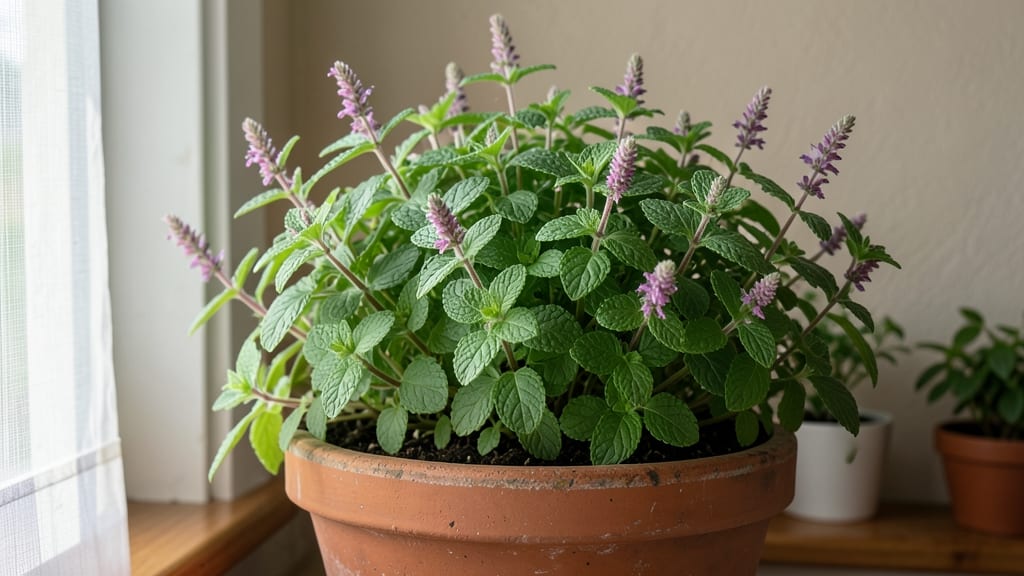
If you’ve ever wondered how tall do mint plants grow, the answer might surprise you—because this hardy herb isn’t one-size-fits-all. Some varieties stay neatly compact, perfect for windowsill pots, while others shoot up like eager teenagers, spreading aggressively if left unchecked.
Whether you’re dreaming of a 12-inch kitchen garden staple or bracing for a 3-foot takeover, understanding mint’s growth habits is the key to keeping it in line.
Mint’s height isn’t just about genetics—it’s also about where and how you grow it. In ideal conditions (think USDA Zone 6a and spring planting), most mint varieties reach 2-3 feet tall, but dwarf types like Pineapple Mint can stay as short as 6 inches.
The trick? Pruning regularly and choosing the right container to corral those invasive roots before they hijack your garden.
Here’s the game-changer: compact varieties thrive in small spaces, while sprawling types need room to roam—or a sturdy barrier to keep them in check. I’ll break down the best options for your setup, whether you’re working with a 4-inch pot or a full garden bed.
Let’s turn your mint from a wildcard into a well-behaved (and delicious) addition to your green space.
Ready to harness mint’s growth instead of fighting it? You’ll learn how to pick the perfect variety, control its spread, and even use its height to your advantage—whether that means a tidy windowsill herb garden or a lush border that won’t overpower your layout. Let’s get growing!


Mint plant height by variety: from 6-Inch dwarf to 3-Foot spreaders
Mint plants can surprise you with their size range—some stay as short as 6 inches, while others shoot up to 3 feet or more. The variety you choose determines whether your mint will be a compact container hero or a garden-spreading menace.
Understanding these differences helps you plan your garden layout and control growth before it takes over.
Most common mint varieties fall between 12 to 36 inches at maturity, but their growth habits vary dramatically. Upright varieties like Peppermint grow taller with fewer sprawling stems, while sprawling types like Spearmint spread wider and lower to the ground.
Even within the same species, growth can differ based on pruning habits and container size.
Here’s how popular mint varieties compare in height and spread—critical info for balancing aesthetics and harvestability in your garden:
| Variety | Mature Height | Spread Width | Growth Habit | Best For |
|---|---|---|---|---|
| Peppermint | 24–36 inches | 18–24 inches | Upright, bushy | Containers, tea gardens |
| Spearmint | 12–24 inches | 24–36 inches | Sprawling, wide | Ground cover, large beds |
| Apple Mint | 18–24 inches | 12–18 inches | Compact, bushy | Pots, windowsills |
| Pineapple Mint | 6–12 inches | 6–12 inches | Dwarf, spreading | Small containers, borders |
| Chocolate Mint | 12–18 inches | 12–18 inches | Bushy, medium | Herb spirals, small gardens |
Notice how Pineapple Mint stays under 12 inches, making it perfect for 4-inch pots or windowsill gardens, while Spearmint can spread 3 feet wide if left unchecked. This variance means your choice of mint variety directly impacts your garden design and harvest strategy.
For example, Peppermint’s upright growth makes it easier to harvest without disturbing neighboring plants.
Another key factor is root spread. Mint has aggressive rhizomes that can spread 5 feet or more in ideal conditions, even if the plant itself stays compact.
This is why container gardening is a game-changer for small spaces—it physically limits root expansion while still allowing you to enjoy fresh mint.
If you’re growing mint in ground beds, plan for at least 18 inches of space between plants to prevent root competition and crowding.
For upright varieties, you can space them 12 inches apart, but sprawling types like Spearmint need 24 inches to thrive without smothering nearby plants. This spacing also improves air circulation, reducing the risk of fungal diseases like powdery mildew.
Pro tip: Harvesting regularly encourages bushier growth and prevents your mint from becoming leggy and tall. Pinch back the top sets of leaves when the plant reaches 6 inches to promote side branching.
This technique keeps mint compact and productive rather than letting it grow tall and woody. Just avoid harvesting more than one-third of the plant at a time to prevent stress.
For indoor growers, choose dwarf varieties like Pineapple Mint or Apple Mint—they thrive in 6-inch pots with bright indirect light. Place them near an east-facing window for 4–6 hours of morning sun, which is ideal for mint.
Overwatering is a common mistake; let the top inch of soil dry out between waterings to avoid root rot in containers.
🌿
Mint plant height by variety: from 6-Inch dwarf to 3-Foot spreaders
Mint plants don’t follow a one-size-fits-all rule—their height depends entirely on the variety and growing conditions. While most mint varieties reach 12 to 36 inches tall, some dwarf types stay under 6 inches, while aggressive spreaders like Peppermint can tower up to 3 feet or more.
Understanding these differences helps you choose the right mint for your space, whether it’s a windowsill pot or a dedicated garden bed. 🌱
If you’re growing mint for culinary purposes, height matters less than flavor intensity and leaf yield. However, if you’re using it as a border plant or ground cover, taller varieties like Spearmint or Apple Mint will spread wider and faster.
Always check the specific variety’s growth habits before planting—some mint types even flop over if not supported. ✂️
| Variety | Height Range | Growth Habit | Best For |
|---|---|---|---|
| Pineapple Mint | 6–12 inches | Compact, bushy | Containers, windowsills |
| Chocolate Mint | 12–24 inches | Upright, spreading | Garden beds, borders |
| Peppermint | 24–36 inches | Tall, aggressive spreader | Large gardens, dedicated beds |
| Spearmint | 18–30 inches | Sprawling, fast-growing | Ground cover, pollinator gardens |
| Apple Mint | 12–24 inches | Medium height, bushy | Herb gardens, pots |
For container gardening, stick to dwarf varieties like Pineapple Mint or Chocolate Mint. These stay under 12 inches and thrive in 5-gallon pots with proper drainage.
In contrast, Peppermint and Spearmint need more space—plant them in dedicated garden beds or large containers with root barriers to prevent takeover. 🪴
Another key factor is pruning frequency. Regularly trimming mint encourages bushier growth and prevents it from becoming leggy. If left unchecked, even compact varieties can stretch taller and weaker. I recommend pinching back tips every 4–6 weeks to maintain the desired height and shape. ✂️
Mint’s root system also plays a role in height. Most mint varieties develop aggressive, creeping roots that spread horizontally. This means even if the plant itself stays short, its roots can invade neighboring plants if not contained. Use root barriers or deep containers to manage this spread. 🌿
If you’re growing mint in partial shade, expect slightly shorter plants compared to full sun. However, too little light can lead to weak stems and sparse foliage.
Aim for 4–6 hours of sunlight daily to balance height and vigor. For indoor growing, place your mint near an east-facing window to avoid leggy growth. ☀️