
How To
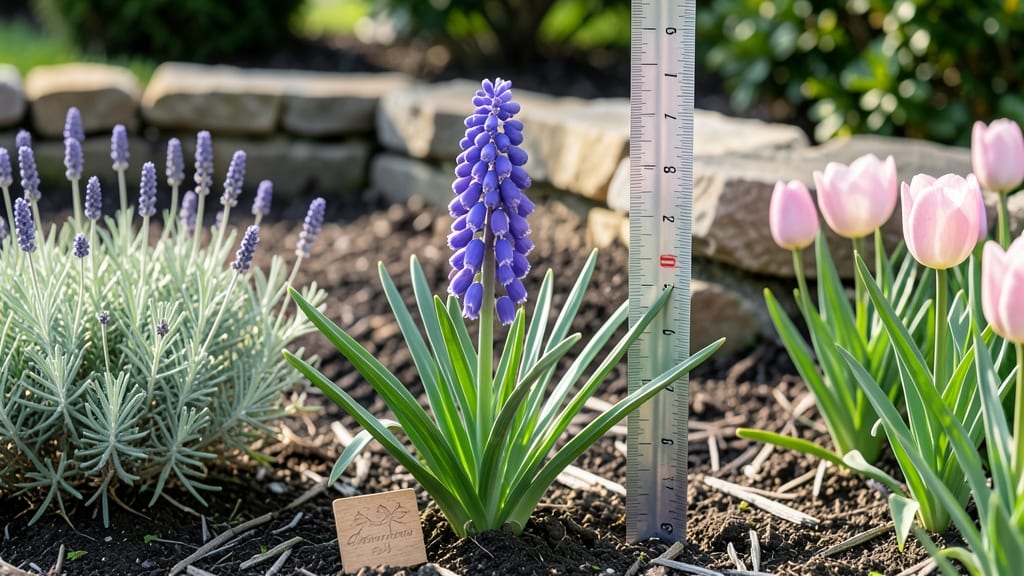
If you’re planning a layered garden with bulbs that stay tidy and charming, how tall do muscari grow? These compact beauties pack a punch in color without stealing the show, making them perfect for borders, rock gardens, or under taller perennials.
Most varieties top out between 4 to 6 inches, though some dwarf types stay as short as 3 inches, while larger hybrids can reach up to 12 inches.
That means they’re ideal for filling gaps without overwhelming your design, whether you’re working with containers or a sprawling landscape.
The key to maximizing their height—and ensuring they thrive—starts with the right conditions. Plant them in well-draining soil with full sun to partial shade, and space them 3 to 6 inches apart for a lush, natural look.
With proper care, they’ll return year after year, adding vibrant bursts of purple, blue, or white to your garden.
Ready to discover how these low-maintenance stars can transform your space? Let’s dive into the details so you can get the most out of your muscari—without the guesswork.


Muscari height by variety: compact growth ranges explained
Muscari, or grape hyacinths, are known for their consistently compact height, making them ideal for small gardens and layered designs. Most varieties stay between 3 to 12 inches tall, but their exact height depends on the specific cultivar and growing conditions.
Understanding these differences helps you plan your garden layout effectively.
For example, Muscari botryoides (the classic grape hyacinth) typically reaches 6 to 10 inches at maturity, while Muscari armeniacum often maxes out around 8 to 12 inches. Hybrids like 'Blue Spike' or 'Valerie Finnis' usually fall in the 4 to 8-inch range, perfect for borders or containers.
Here’s how their heights compare for garden design:
If you’re planting muscari in full sun, they may grow slightly taller due to increased energy production, but their structure remains sturdy. In partial shade, heights can be more compact, often around 4 to 6 inches, which is ideal for woodland gardens or under deciduous trees.
For container gardening, choose dwarf varieties like 'Blue Spike' to avoid overcrowding. Their small stature also makes them perfect for rock gardens or as a filler between taller perennials like sedum or ornamental grasses. Pair them with daffodils or alliums for a striking contrast in height and color.
One common misconception is that muscari will sprawl or flop over. Their upright, self-supporting stems ensure they stay neat, even in windy conditions. This makes them a low-maintenance choice for urban gardens or small patios where space is limited.
To encourage optimal height, ensure your muscari are planted in well-draining soil with a pH between 6.0 and 7.0. Overwatering can cause leggy growth, so aim for moderate moisture—about 1 inch of water per week during their active growing season (spring).
Pro tip: If you’re naturalizing muscari in a meadow-style garden, space them 4 to 6 inches apart to allow for natural clumping. Over time, their colonies will spread, but their height will remain consistent, creating a sea of color without overwhelming other plants.
For a visual reference, imagine a soda can—most muscari varieties will reach roughly that height. This makes them a versatile choice for layered designs, where you can tuck them between ground covers and taller shrubs for a balanced look.
🌱
Muscari height by variety: compact growth ranges explained
When planning your garden, knowing how tall muscari grow helps you create stunning, low-maintenance layers. Most varieties stay between 3 to 12 inches tall, making them ideal for borders, rock gardens, or understory planting.
Their compact size ensures they won’t overwhelm taller perennials while adding vibrant color in early spring.
Understanding the height variations between species and cultivars lets you choose the perfect fit for your design. For example, Muscari armeniacum typically reaches 8–12 inches, while Muscari botryoides stays shorter at 4–6 inches.
Hybrids like 'Blue Spike' often fall in the middle, around 6–8 inches, offering versatility for different garden styles.
| Variety | Mature Height | Best For |
|---|---|---|
| Muscari armeniacum | 8–12 inches | Back of borders, under trees |
| Muscari botryoides | 4–6 inches | Rock gardens, containers |
| 'Blue Spike' | 6–8 inches | Layered plantings, mixed borders |
| 'Valerie Finnis' | 5–7 inches | Naturalized areas, woodland gardens |
If you’re using muscari as ground cover or in containers, opt for the shorter varieties like 'Valerie Finnis' or Muscari botryoides. These stay under 7 inches, perfect for spilling over pot edges or filling gaps between stepping stones.
Their low stature also makes them great companions for spring bulbs like crocus or low-growing perennials.
For a bolder look, Muscari armeniacum adds height and drama while remaining under a foot tall. Plant them in clusters of 3–5 bulbs to create a dense, textured display that catches the eye without dominating.
Pair them with alliums or tulips for a layered effect that blooms sequentially from early to late spring.
One of my favorite tricks is using muscari’s height to frame taller plants. For example, plant a row of 6-inch muscari in front of 2-foot delphiniums to create a natural, staggered border.
The contrast between their compact foliage and the airy spikes of delphiniums adds depth and visual interest to any garden bed.
When in doubt, plant muscari in odd-numbered groups (like 3, 5, or 7 bulbs) to create a natural, balanced look. Their clumping habit ensures they won’t sprawl, so you can tuck them into tight spaces or use them to soften edges in formal gardens.
With heights ranging from 4 to 12 inches, there’s a perfect muscari for every spot in your landscape.