
How To
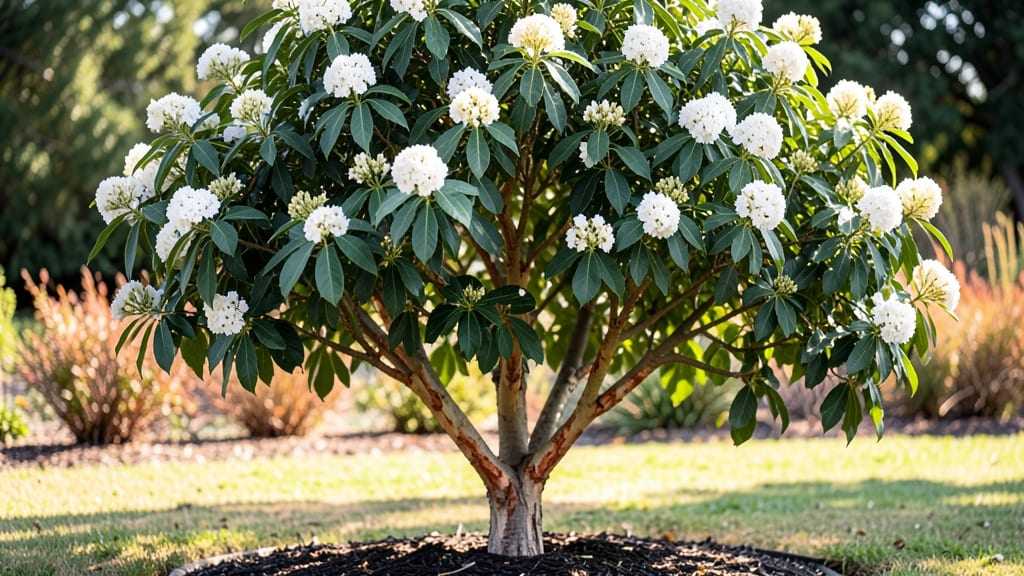
If you're dreaming of a stunning 🌸 Natchez Crape Myrtle in your yard, you're probably wondering just how tall this beauty can grow. The answer might surprise you—this showstopper can reach anywhere from 15 to 25 feet at maturity, making it a bold statement piece for any landscape.
But here's the catch: its height isn't set in stone. Factors like your USDA zone, pruning habits, and even soil quality play a huge role in determining whether your Natchez Crape Myrtle will stretch toward the sky or stay more compact.
In cooler zones like 6a, it might grow slightly slower, while warmer climates can encourage faster, taller growth.
Whether you're planning a dramatic backyard focal point or a more contained garden feature, understanding these growth patterns is key. I'll break down exactly what to expect based on your location, plus simple pruning tips to shape your tree to your exact vision.
Ready to transform your outdoor space with this versatile beauty? Let's dive into the details so you can plant with confidence—and watch your Natchez Crape Myrtle thrive exactly how you want it to.


Natchez crape myrtle mature height by USDA hardiness Zone: full growth chart
The Natchez crape myrtle is a showstopper in any landscape, but its mature height varies dramatically depending on your USDA hardiness zone. In ideal conditions, these trees can reach 20–30 feet, but in cooler zones, they often stay between 10–15 feet.
Understanding these ranges helps you plan spacing and pruning strategies to maximize blooms while keeping your yard looking intentional.
If you're in USDA Zone 6, expect slower growth and a mature height of 15–20 feet. Gardeners in Zones 7–9, however, can enjoy faster growth rates, with some Natchez crape myrtles topping out at 25–30 feet.
The key to controlling height lies in pruning techniques and climate conditions, which we’ll dive into later.
Before planting, check your zone and plan for ideal spacing. A Natchez crape myrtle needs 10–15 feet of clearance from structures and other plants to thrive. In smaller yards, consider dwarf varieties or aggressive pruning to keep it under 10 feet while still enjoying its stunning lavender-pink blooms.
| USDA Zone | Mature Height Range | Growth Rate | Pruning Needs |
|---|---|---|---|
| Zone 6 | 15–20 ft | Slow to moderate | Moderate (winter pruning) |
| Zone 7 | 18–25 ft | Moderate | Regular (summer/fall) |
| Zone 8 | 20–28 ft | Fast | Frequent (year-round) |
| Zone 9 | 25–30 ft | Very fast | Aggressive (structural pruning) |
In Zone 6, where winters are colder, Natchez crape myrtles grow more slowly and may take 5–7 years to reach maturity. Meanwhile, in Zones 8–9, these trees can add 3–5 feet per year if given optimal care.
This faster growth means you’ll see dramatic blooms sooner, but it also requires more pruning maintenance to keep the tree manageable.
Another factor influencing height is soil quality. Well-draining, fertile soil with a pH of 6.0–7.0 encourages faster growth, while poor soil can stunt a Natchez crape myrtle to 10–15 feet even in warm zones.
Always amend your soil with compost or organic matter before planting to give your tree the best start.
If you’re planting multiple Natchez crape myrtles, space them 12–15 feet apart to allow for full growth. In smaller landscapes, consider dwarf varieties like ‘Tonto’ or ‘Muskogee,’ which max out at 6–10 feet while still delivering stunning blooms. These compact options are perfect for urban gardens or patio plantings.
One common mistake gardeners make is underestimating the tree’s spread. Natchez crape myrtles aren’t just tall—they also develop a spread of 10–15 feet. Plan for this when selecting a planting location to avoid overcrowding or shading out other plants.
A well-placed Natchez can become the focal point of your garden, but it needs room to shine.
For those in cooler microclimates within warmer zones, expect slightly shorter heights. For example, a Natchez in Zone 8’s high desert might stay under 20 feet, while one in Zone 8’s humid subtropical climate could reach 28 feet. Always observe your local climate patterns and adjust expectations accordingly.
Finally, remember that pruning in late winter (just before new growth starts) can influence height. Removing 1/3 of the previous year’s growth encourages bushier, more compact growth. This technique is especially useful if you’re aiming for a 10–15 foot tree rather than letting it reach its full potential.
With the right care, your Natchez crape myrtle will thrive and become a seasonal highlight in your garden. Whether you’re aiming for a towering specimen or a more manageable size, understanding its growth habits ensures you’ll get the most out of this drought-tolerant beauty.
Natchez crape myrtle mature height by USDA hardiness Zone: full growth chart
The Natchez crape myrtle (Lagerstroemia 'Natchez') is a deciduous tree that thrives in USDA zones 6-9, but its mature height varies dramatically depending on your climate.
In cooler zones like 6-7, expect 15-20 feet at maturity, while warmer zones 8-9 can push it to 20-25 feet or taller with ideal conditions. This range makes it perfect for both backyard privacy screens and landscape focal points.
Understanding your zone’s growth potential is key to planning spacing. A 20-foot tree needs 15-20 feet of clearance from structures and other plants. In urban gardens with limited space, you’ll need to prune aggressively to keep it under 12-15 feet.
The chart below breaks down exact height expectations by zone so you can visualize your tree’s future size.
Climate plays a huge role in growth speed. In hot, humid zones 8-9, Natchez crape myrtles can grow 3 feet per year if given full sun and rich soil. In contrast, cooler zones 6-7 see slower growth (1-2 feet/year) due to shorter growing seasons.
To maximize height in cooler climates, plant in south-facing locations with well-draining soil and a thick mulch layer.
If you’re planting near power lines or sidewalks, account for root spread, which can reach 10-15 feet wider than the canopy. Call your local utility company before planting to avoid future conflicts.
For smaller yards, consider the ‘Natchez Compact’ cultivar, which tops out at 10-12 feet with proper pruning.
Pro tip: Prune in late winter to shape your tree while it’s dormant. Removing water sprouts early prevents them from stealing energy that could go to height growth. In urban areas, regular pruning can keep even standard Natchez trees under 15 feet without sacrificing those lavender-pink blooms.
For maximum height, pair your Natchez with companion plants like hydrangeas or boxwoods that thrive in its dappled shade. Just remember—less pruning = taller tree, but always prioritize structural integrity over size.
With the right care, your Natchez will become the showstopper of your landscape for decades. 🌸