
Plants
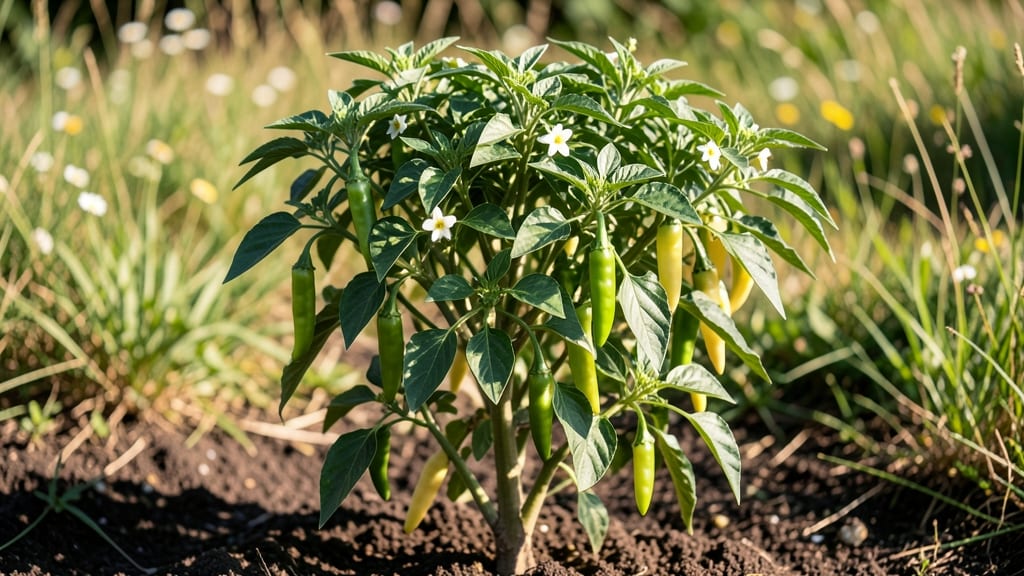
Wondering how tall do pepperoncini plants grow before they start crowding your garden? These fiery little 🌶️ peppers pack a punch in both flavor and height—sometimes reaching 3 feet or more if left unchecked!
Most pepperoncini varieties fall into two main growth categories: compact bush types that stay between 12 and 24 inches, perfect for small gardens or containers, and vining varieties that can stretch toward 6 feet if given the space.
The difference often comes down to genetics and how you prune them.
If you're working with limited space, don’t worry—there are ways to keep these plants in check.
Whether you're growing them as annuals in cooler climates or perennials in warmer zones like USDA Zone 6a, understanding their growth habits is key to planning your spring planting window (April-May) and maximizing your harvest from July to September.
In this guide, I’ll break down the height variations, share tips for controlling growth, and even recommend the best compact varieties for small spaces. Let’s get your pepperoncini garden thriving without the space struggles!


Pepperoncini plant height: bush vs vining growth habits explained
Pepperoncini plants—those tangy, pickled peppers you love—come in two distinct growth habits that dramatically affect how much space they’ll need. Most home gardeners assume they’re compact, but some varieties can stretch surprisingly tall. Understanding these differences helps you plan your garden layout and choose the right variety for your space.
The average bush-type pepperoncini reaches 12 to 24 inches tall, making them perfect for containers or small garden plots. Meanwhile, vining varieties can climb 3 to 6 feet if left unchecked, requiring trellises or stakes.
Even within these ranges, leaf structure and branching patterns vary—bush types have dense, upright growth, while vining types sprawl or climb.
Here’s the key difference: bush varieties produce fruit closer to the ground, while vining types often bear peppers higher up, which can make harvesting trickier. If you’re growing in pots, stick to bush types; if you have vertical space, vining varieties can be a rewarding challenge.
Another factor to consider is fruit production timing. Bush types typically mature faster, while vining varieties may take longer to reach peak yield. This means if you’re aiming for an early harvest, a compact bush variety might be your best bet.
| Growth Habit | Height Range | Branching Pattern | Best For |
|---|---|---|---|
| Bush Type | 12–24 inches | Compact, upright, dense | Containers, small gardens, early harvests |
| Vining Type | 3–6 feet | Sprawling or climbing, less dense | Trellises, large gardens, vertical spaces |
If you’re growing pepperoncini in USDA Zone 6a or warmer, vining varieties can become perennial, meaning they’ll regrow each year if protected from frost. However, most gardeners treat them as annuals since they’re sensitive to cold snaps.
This makes height control even more critical if you’re in a shorter growing season.
One common misconception is that all pepperoncini plants are short. In reality, many heirloom or Italian varieties (like 'Pepperoncini di Napoli') are vining types. Always check seed packets or plant tags for growth habit descriptions before purchasing.
For example, 'Pepperoncini Dwarf' stays under 2 feet, while 'Sweet Banana' can exceed 4 feet without support.
To maximize space efficiency, consider pruning techniques like pinching back the main stem early in the season. This encourages bushier growth and can reduce height by up to 30% in vining varieties. Just be sure to leave enough leaves for photosynthesis—you don’t want to sacrifice fruit production for aesthetics.
For those with limited space, container gardening is a great solution. A 5-gallon pot is ideal for bush types, while vining varieties need at least a 10-gallon container with a sturdy trellis.
Remember, pepperoncini plants thrive in full sun (6+ hours daily), so choose a spot where they’ll get plenty of light, regardless of their height.
Finally, don’t overlook the role of soil fertility in influencing plant height. Over-fertilizing with nitrogen can lead to lush foliage but fewer peppers, while balanced fertilization (like a 10-10-10 NPK mix) promotes healthy, proportional growth. Aim for 1 tablespoon of fertilizer per plant every 4–6 weeks during the growing season.
Whether you’re working with a 12-inch dwarf or a 6-foot vine, pepperoncini plants reward careful planning with bountiful harvests. Start by choosing the right variety for your space, then adjust your care routine to keep them thriving—no matter how tall they grow! 🌱
Pepperoncini plant height: bush vs vining growth habits explained
When planning your pepperoncini garden, knowing whether your plants will stay compact bushes or stretch into tall vines is crucial for space planning. Most pepperoncini varieties fall into one of two growth categories: bush-type (12–24 inches) or vining types (3–6 feet).
The difference isn’t just about height—it affects branching, leaf density, and even fruit production.
Bush varieties, like the classic 'Pepperoncini', grow as sturdy, upright plants with dense foliage and multiple branches near the base. These are perfect for small gardens or containers, producing clusters of peppers along thick stems.
In contrast, vining types send out long, indeterminate growth, requiring trellises or cages to support their weight.
Here’s how to tell the difference before planting: bush types have thick stems and broad leaves, while vining varieties feature thinner stems and longer, narrower leaves. The seed packet or nursery tag will often specify, but if unsure, opt for a bush variety for easier care.
| Growth Habit | Height Range | Branching | Leaf Shape | Support Needed |
|---|---|---|---|---|
| Bush-Type | 12–24 inches | Multiple branches near base | Broad, thick leaves | None (sturdy stems) |
| Vining-Type | 3–6 feet | Long, trailing stems | Narrow, elongated leaves | Trellis or cage |
If you’re growing pepperoncini as annuals (most common in cooler climates), expect bush types to reach maturity in 60–90 days, while vining varieties may take slightly longer due to their focus on vertical growth.
In warmer climates (USDA Zone 9+), pepperoncini can sometimes overwinter as perennials, but their height growth slows significantly in winter.
For small-space gardening, prioritize bush varieties or prune vining types to control height. Even vining pepperoncini can be trained into compact shapes with regular pruning, making them adaptable to balconies or windowsills.
The key is to choose the right type for your space—or plan for support if you love the vining look!
Pro tip: If your pepperoncini starts outgrowing its space, don’t panic! Prune back overly long vines in early summer to redirect energy to fruit production. This keeps plants manageable while boosting your harvest. 🌱