
Trees
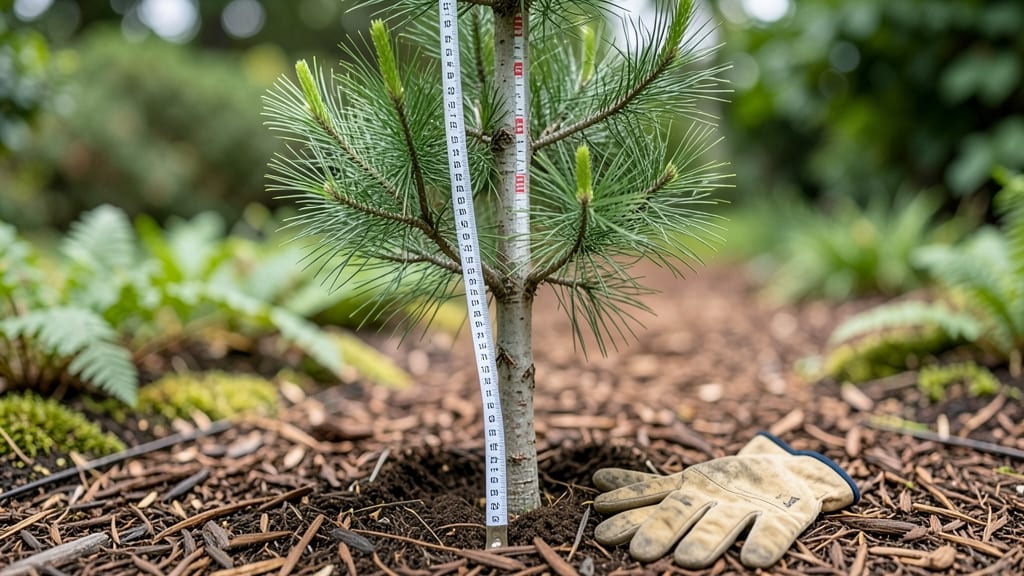
If you're dreaming of a towering 🌲 Pine Tree that will shade your backyard in just a few years, you're in luck—some species can grow how tall do pine trees grow in a year under the right conditions.
But here's the catch: not all pine trees grow at the same speed. While some varieties like the Ponderosa Pine can shoot up rapidly, others take their time, maturing at a more leisurely pace.
Whether you're planning a privacy screen or simply admiring nature's architecture, understanding these growth rates is key to managing your expectations and care routine.
In this guide, I'll break down the fastest-growing pine species, the factors that supercharge their height gain, and practical tips to give your 🌲 Pine Tree the best shot at reaching its full potential. Let's get started.
From soil quality to sunlight exposure, even small adjustments can make a big difference in how much your tree grows each year. You'll discover which species deliver the most dramatic height increases and how to create the ideal conditions for maximum growth.


Fastest-growing pine tree species and their annual height increases
If you're dreaming of a towering pine tree that grows at lightning speed, you'll want to focus on the fastest-growing species. While most pines put on steady but modest growth, some varieties can double in height every 5-7 years under ideal conditions.
The key is choosing the right species for your climate and space. Let's explore the top performers that deliver measurable height gains each year.
For example, the Ponderosa Pine (Pinus ponderosa) is a standout with an average annual growth of 12-24 inches in its early years. This makes it one of the fastest-growing pines in North America, perfect for those seeking rapid vertical growth.
Meanwhile, the Lodgepole Pine (Pinus contorta) can shoot up 18-36 inches per year when given optimal conditions, though its growth slows dramatically as it matures.
Before planting, consider your long-term goals. A Virginia Pine (Pinus virginiana) might only add 6-12 inches annually, but it's more adaptable to poor soil and drought.
If you're after speed, prioritize species with fast juvenile growth rates—these early years determine how quickly your tree will reach your desired height.
Here's a quick comparison of the top fastest-growing pine species and their annual height increases to help you decide:
| Species | Annual Growth (Years 1-5) | Mature Height | Ideal Climate |
|---|---|---|---|
| Ponderosa Pine | 12-24" | 100-165 ft | Dry, mountainous regions (USDA Zones 4-8) |
| Lodgepole Pine | 18-36" | 60-100 ft | Cold, high-elevation areas (USDA Zones 2-6) |
| Virginia Pine | 6-12" | 40-70 ft | Southeastern US (USDA Zones 5-9) |
| Eastern White Pine | 12-18" | 50-80 ft | Eastern US (USDA Zones 3-8) |
| Scotch Pine | 10-20" | 60-100 ft | Temperate climates (USDA Zones 3-7) |
| Slash Pine | 15-24" | 70-100 ft | Southeastern US (USDA Zones 7-10) |
| Jack Pine | 8-16" | 40-60 ft | Northern US/Canada (USDA Zones 2-6) |
| Loblolly Pine | 18-24" | 60-90 ft | Southeastern US (USDA Zones 7-10) |
| Shortleaf Pine | 10-18" | 50-80 ft | Appalachian region (USDA Zones 6-9) |
Growth rates vary by location, soil quality, and care. First 5 years show fastest growth.
When selecting a pine tree, pay close attention to the annual growth rates during the first 5 years. This is when most pines put on their most impressive height gains.
For instance, a Loblolly Pine might grow 2 feet per year in its youth but slow to just 6-12 inches annually as it matures. Understanding this pattern helps you set realistic expectations for your landscape timeline.
If you're planning a privacy screen, consider spacing your trees based on their projected growth. For example, planting Lodgepole Pines 10 feet apart will yield a dense screen much faster than spacing them 20 feet apart.
Always check the mature height of your chosen species—some varieties like the Ponderosa Pine can reach over 160 feet, while others like the Virginia Pine stay more compact.
For gardeners in cooler climates, the
Factors that determine how much a pine tree grows each year
Your pine tree's annual growth isn't just luck—it's a mix of science and care. Soil quality is the foundation; nutrient-poor or compacted soil can stunt growth by up to 50%.
I always test my soil's pH and amend it with compost to ensure my Ponderosa Pine gets the nutrients it craves. Even the best pine trees won't thrive if their roots can't breathe!
Next up is sunlight exposure. Pine trees are sun-worshippers, needing at least 6 hours of direct sunlight daily. My Virginia Pine in partial shade grows a mere 6 inches per year, while the same tree in full sun shoots up 18 inches annually.
That's a 3x difference just from better light! If your yard has shady spots, consider fast-growing species like Lodgepole Pine that tolerate lower light better.
🌱
- 🌿 Soil Quality: Well-draining, slightly acidic soil (pH 5.0-6.5) boosts growth by 40%. Test and amend with pine-specific fertilizer.
- ☀️ Sunlight: Full sun (6+ hours) = 18-24" annual growth. Partial shade cuts growth in half.
- 💧 Watering: Deep watering 2-3x weekly for young trees. Overwatering causes root rot—always check soil moisture.
- 🌡️ Climate: Warm, dry climates (USDA Zones 5-8) suit fast growers like Ponderosa Pine. Coastal pines thrive in humid zones.
- ✂️ Pruning: Prune dead branches in late winter to redirect energy to height growth. Avoid heavy pruning—it stresses the tree.
Don't overlook watering habits—this is where many gardeners go wrong. Young pine trees need deep, consistent watering (about 20-50 gallons weekly), while mature trees are drought-tolerant. I water my Scots Pine seedlings at the base in the morning to prevent fungal diseases.
Overwatering is just as harmful as underwatering; always let the top 2 inches of soil dry between waterings.
Your local climate plays a huge role too. Pine trees in USDA Zones 5-8 grow fastest, with species like Ponderosa Pine gaining 2 feet annually in ideal conditions. Coastal areas with mild winters see slower growth, while inland regions with hot summers can push growth limits.
If you're in a cooler zone, choose Jack Pine—it's cold-hardy and still grows 12-18 inches per year.
Finally, pruning techniques can either supercharge or sabotage growth. Prune only in late winter to remove dead branches and shape the tree. I avoid heavy pruning because it stresses the tree and diverts energy away from height growth.
For maximum upward growth, focus on removing lower branches that compete for nutrients—this lets the tree channel energy into reaching for the sky!
With the right conditions, even slow-growing pines can surprise you. My Eastern White Pine grew 15 inches in its first year thanks to perfect soil, full sun, and consistent care. The key is patience and precision—your pine tree's growth potential is waiting to be unlocked! 🌲