
How To
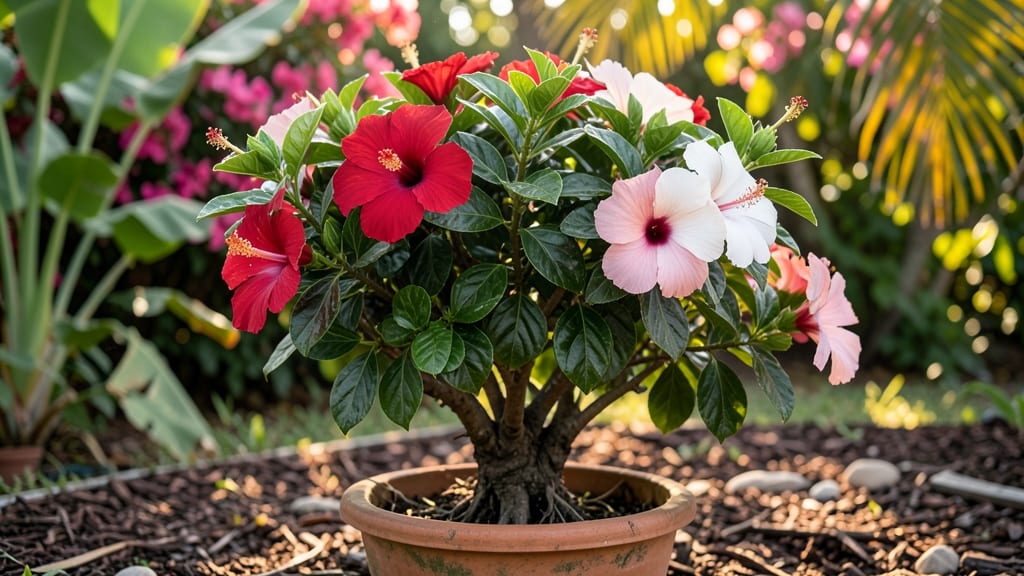
If you’ve ever wondered how tall do tropical hibiscus grow, you’re not alone—these stunning 🌺 plants can reach heights that’ll make your garden feel like a tropical paradise or, if left unchecked, overwhelm your space.
Tropical hibiscus thrive in zones 10-12, where they can grow anywhere from 6 to 15 feet tall, depending on the variety and care. Some dwarf types stay compact at just 3-5 feet, while standard varieties stretch toward the sky, creating a dramatic focal point in your landscape.
But don’t worry—whether you’re working with a small balcony or a sprawling yard, I’ll show you how to manage their size with simple pruning techniques and smart planting strategies. You’ll learn which varieties fit your space and how to keep them blooming beautifully year-round.
Ready to turn your garden into a vibrant hibiscus haven? Let’s dive into the secrets of controlling their growth so you can enjoy their breathtaking flowers without the headaches.


Tropical hibiscus height guide: variety-specific growth ranges explained
Tropical hibiscus (Hibiscus rosa-sinensis) are stunning tropical shrubs known for their bold, trumpet-shaped flowers and glossy green leaves. But how tall do they grow? The answer depends heavily on the variety and growing conditions.
Most tropical hibiscus reach 6 to 15 feet at maturity, but some dwarf varieties stay under 5 feet. Let’s break down what to expect based on your space and goals.
For gardeners in USDA Zones 10-12, tropical hibiscus thrive year-round, but their height potential varies. Standard varieties can tower like small trees, while compact or patio types stay manageable for smaller yards or containers.
Understanding these differences helps you plan spacing, pruning, and even trellising strategies to keep your hibiscus healthy and blooming.
🌺
| Variety | Mature Height | Growth Habit | Best For |
|---|---|---|---|
| Standard (H. rosa-sinensis) | 8–15 ft | Upright, multi-stemmed | Large gardens, privacy screens |
| Dwarf ('Lil' Kim', 'Pinks') | 3–5 ft | Compact, bushy | Containers, patios, small yards |
| Semi-Dwarf ('Disco Belle', 'Tropical Sunset') | 5–8 ft | Medium-height, spreading | Borders, foundation plantings |
| Weeping ('Rainbow', 'Pink Elephant Ear') | 6–12 ft | Arching branches | Trellises, arbors, focal points |
If you’re growing tropical hibiscus in containers, height will naturally be limited by pot size. A 15-gallon container typically supports a 4–6 foot plant, while larger pots (30+ gallons) can accommodate standard varieties. Root-bound plants grow slower, so upgrade containers every 2–3 years to encourage vertical growth.
Climate plays a surprising role in height too. In humid, tropical regions, hibiscus grow faster and taller due to ideal conditions. But in drier or cooler microclimates, they may stay shorter unless you provide extra care like regular fertilization and protection from wind.
Even in perfect conditions, growth slows in winter months, so plan for seasonal adjustments.
For fast-growing varieties, expect 2–4 feet of growth per year in ideal conditions. Younger plants (under 2 years) focus energy on root development, so they grow slower initially but surge in height once established.
Pruning in late winter or early spring can redirect energy toward bushier growth or taller stems, depending on your goals.
🌿
One common misconception is that all tropical hibiscus need full sun to reach their maximum height. While 6+ hours of sunlight is ideal, varieties like 'Lord Baltimore' tolerate partial shade and may grow slightly shorter but produce more blooms.
If you’re in a shadier climate, choose shade-tolerant varieties or supplement with grow lights in containers.
Soil quality also impacts height. Hibiscus thrive in well-draining, slightly acidic soil (pH 6.0–6.5). Poor drainage or compacted soil can stunt growth, while rich, organic soil with compost promotes taller, healthier plants. Amend heavy clay soil with perlite or sand to improve drainage and encourage root expansion.
🪴
Tropical hibiscus height guide: variety-specific growth ranges explained
Tropical hibiscus (Hibiscus rosa-sinensis) can reach stunning heights of 6 to 15 feet under ideal conditions, but their growth varies dramatically by variety and care. If you're planning your garden layout, knowing these ranges helps you avoid overcrowding or underutilizing space.
For example, standard varieties like 'Dwarf Red' stay compact at 3 to 5 feet, while 'Pink Giant' can tower over 12 feet in tropical climates.
The first year is critical—most hibiscus grow 2 to 4 feet tall, giving you a head start on planning trellises or support structures. By year three, they typically hit their mature height, though aggressive pruning can keep them smaller.
In USDA Zones 10-12, where they thrive year-round, hibiscus grow fastest during spring and summer, with slower growth in cooler months.
🌺
🌱 Tropical Hibiscus Height Summary
| Variety | Mature Height | Growth Habit | Ideal Climate |
|---|---|---|---|
| Dwarf Red | 3–5 ft | Compact, bushy | Zones 10–11 |
| Pink Giant | 12–15 ft | Tall, upright | Zones 10–12 |
| Hawaiian Sunset | 6–10 ft | Medium, spreading | Zones 9–12 |
| Lady Baltimore | 8–12 ft | Tall, vigorous | Zones 10–12 |
Note: Heights can vary by 1–2 feet based on pruning and sunlight exposure.
Climate plays a huge role in height—hibiscus in humid, tropical zones grow faster and taller than those in drier or cooler microclimates.
For example, in Zone 11, a 'Pink Giant' may reach 15 feet, while the same plant in Zone 10 might max out at 10 feet. If you're in a cooler zone, consider container gardening to control size or plant near a south-facing wall for extra warmth.
Soil quality also impacts growth—rich, well-draining soil with organic matter fuels faster height gains, while poor soil can stunt growth by 30–50%. Amend your soil with compost or aged manure before planting to ensure your hibiscus reaches its full potential.
If your garden has clay-heavy soil, mix in sand or perlite to improve drainage and prevent root rot.
For smaller spaces, choose dwarf varieties or prune regularly to maintain a 3–5 foot height. Even standard varieties can be kept manageable with annual pruning in late winter or early spring. Just remember: prune just above a leaf node to encourage bushier growth and more blooms.
🌿