
How To
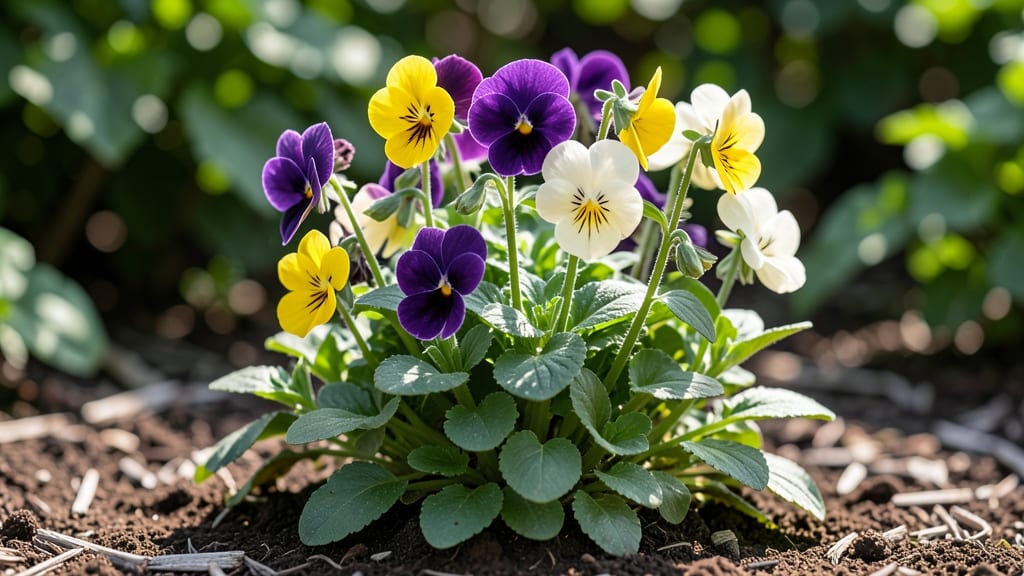
Wondering how tall do violas grow before you commit to planting them? These cheerful 🌸 blooms might surprise you—they pack a punch of color without taking up much space at all.
Most viola varieties stay compact, typically reaching just 6 to 12 inches tall, making them perfect for borders, containers, or even window boxes.
But here's the thing: their height can vary depending on the type—dwarf varieties stay under 6 inches, while taller ones might stretch to 18 inches in ideal conditions.
Proper spacing is key to keeping them healthy and blooming their best. Whether you're planting in garden beds or containers, knowing the right distance ensures good airflow and prevents overcrowding. Let's dive into the details so you can create a stunning, low-maintenance display.
From sun exposure to soil prep, small adjustments can make a big difference in how your violas grow. You'll learn exactly how to arrange them for maximum impact—no guesswork required.


Viola height ranges: dwarf, semi-dwarf, and tall varieties explained
Violas are one of the most versatile flowers for small gardens, containers, and borders because of their compact growth habits. Most varieties stay between 4 to 12 inches tall, making them perfect for edging, window boxes, and even rock gardens.
But not all violas are created equal—some stay tiny, while others reach nearly a foot in height. Let’s explore the three main height categories and what they mean for your garden.
The dwarf varieties, like 'Johnny Jump Up' and 'Honeycomb,' typically max out at 4 to 6 inches tall. These are ideal for container gardens or as ground cover in shaded areas.
Semi-dwarf types, such as 'Sorrento,' grow slightly taller at 6 to 12 inches, offering more height without overwhelming smaller spaces. Meanwhile, the taller violas, like 'Queen of Hearts,' can reach up to 18 inches, making them great for border edges or mixed flower beds.
Here’s a quick visual guide to viola heights, including popular cultivars and their typical ranges:
| Variety Type | Height Range | Best Uses |
|---|---|---|
| Dwarf (e.g., 'Johnny Jump Up') | 4–6 inches | Containers, rock gardens, window boxes |
| Semi-Dwarf (e.g., 'Sorrento') | 6–12 inches | Borders, edging, hanging baskets |
| Tall (e.g., 'Queen of Hearts') | 12–18 inches | Back of borders, mixed beds, underplanting |
If you’re growing violas in containers, even the taller varieties can thrive as long as the pot is at least 6 inches deep. For in-ground planting, their height influences how you layer them with other plants.
For example, pairing dwarf violas (4–6 inches) with shrubs like boxwood (2–3 feet) creates a stunning contrast. Meanwhile, taller violas (12–18 inches) can tuck neatly behind daylilies or salvias for a cohesive look.
One common misconception is that violas stay the same height year after year. In reality, their size can vary slightly based on growing conditions. For instance, violas grown in full sun may stretch slightly taller, while those in shadier spots tend to stay more compact.
This adaptability makes them a favorite for gardeners with limited space or tricky light conditions.
For year-round color, many gardeners mix violas with pansies, which have similar height ranges. Together, they create a non-stop blooming display from early spring through fall. Just remember: violas are cool-season plants, so they’ll often slow down or go dormant in hot summer months.
This makes them ideal for spring and fall plantings in warmer climates.
When choosing violas for your garden, consider not just their height but also their bloom colors and patterns. Some varieties, like 'Honeycomb,' feature intricate two-toned flowers, while others, like 'Johnny Jump Up,' offer bold solid hues.
Mixing heights and colors can turn a simple garden bed into a showstopping display with minimal effort.
If you’re new to growing violas, start with a mix of dwarf and semi-dwarf varieties to see what thrives in your space. Their low-maintenance nature and prolonged blooming make them a gardener’s best friend—especially when you know exactly how tall they’ll grow and how to space them properly.
🌸
Optimal spacing for violas: avoid crowding in garden beds
Violas thrive when given just enough room to breathe—literally! Proper spacing isn’t just about aesthetics; it’s about airflow, disease prevention, and maximizing blooms. Crowding leads to fungal issues like powdery mildew and steals nutrients from your plants.
Let’s dive into the science-backed spacing rules to keep your violas happy and healthy.
For dwarf varieties (like 'Johnny Jump Up'), aim for 6–9 inches apart in garden beds. These compact beauties stay under 6 inches tall, so tighter spacing works.
Semi-dwarf types (such as 'Sorrento') need 9–12 inches of space, while taller varieties (like 'Honeycomb') should sit 12–18 inches apart to prevent overcrowding.
🌱 Pro Tip: In containers or hanging baskets, reduce spacing by 25–30%. For example, plant dwarf violas 4–6 inches apart in a 12-inch pot. This mimics their natural density while ensuring roots don’t compete for resources.
🌿 Viola Spacing Comparison
| Variety Type | Garden Bed Spacing | Container Spacing | Height Range |
|---|---|---|---|
| Dwarf (e.g., 'Johnny Jump Up') | 6–9 inches | 4–6 inches | 4–6 inches |
| Semi-Dwarf (e.g., 'Sorrento') | 9–12 inches | 6–9 inches | 6–12 inches |
| Tall (e.g., 'Honeycomb') | 12–18 inches | 9–12 inches | 12–24 inches |
If you’re planting violas near taller perennials (like foxgloves or delphiniums), space them 18–24 inches away from the base. This creates a natural transition layer in your garden while preventing shading issues.
For window boxes, mix heights: place taller varieties in the back and dwarf types in front for a cascading effect.
💧 Watering Wisdom: Proper spacing also affects watering. Plants spaced too closely retain moisture longer, increasing the risk of root rot. Water at the base (not overhead) and aim for consistent soil moisture rather than soggy conditions.
A mulch layer (1–2 inches of straw or shredded leaves) helps retain moisture and regulate soil temperature.
Finally, don’t forget to prune spent blooms regularly. This encourages continuous flowering and prevents leggy growth, which can disrupt your spacing plan. With the right distance, your violas will reward you with nonstop color and a garden that looks intentionally designed—not cramped and chaotic.