
How To
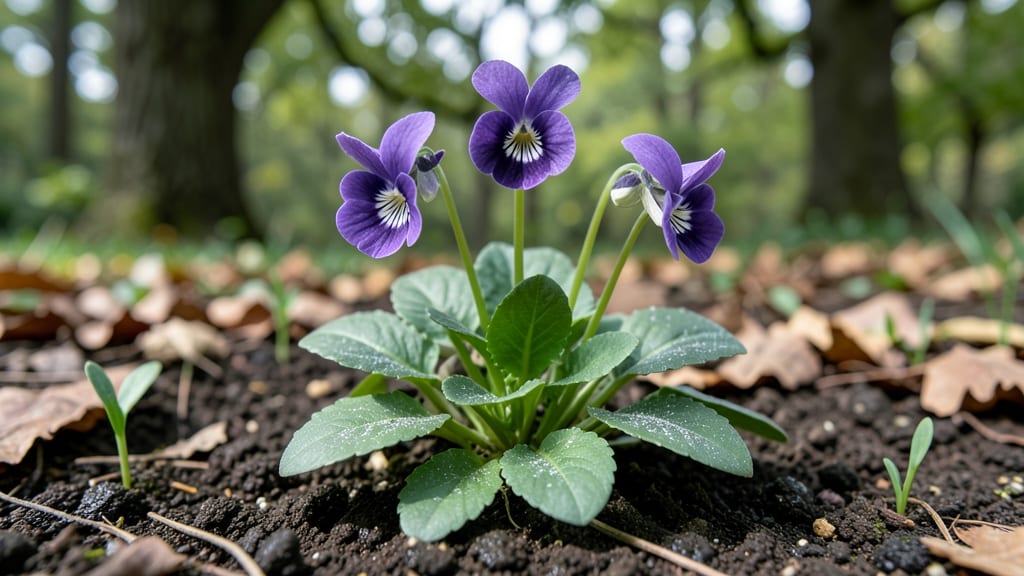
Wondering how tall do violets grow before they become a space hog in your garden? These charming 🌸 violets are one of the most versatile flowers for small spaces, typically staying between 3-6 inches tall—perfect for borders, containers, or even tucked into shady corners where bigger plants won’t thrive.
But here’s the catch: not all violets are created equal. Some varieties, like the classic pansy-type violets, max out at just 4-5 inches, while others—especially those grown in ideal USDA Zone 6a conditions—can stretch toward 6 inches or slightly taller with proper care.
The key lies in sunlight, soil, and spacing, all of which I’ll break down so you can keep your violets looking their best without overcrowding.
If you’re planning to mix them with other plants, spacing is everything. Violets need about 6-12 inches between neighbors for airflow, which prevents disease and encourages bushier growth.
And if they start looking leggy? A little pruning or strategic pinching can reset their height and keep them compact for months of blooms.
Ready to turn your garden into a violet paradise without sacrificing space? Let’s dive into the practical tips that’ll help you manage their height—whether you’re planting them in spring or refreshing an existing bed. Your compact, colorful garden starts here.


Violet height guide: how tall different varieties grow
When planning your garden, knowing how tall violets grow helps you choose the perfect spot for these delicate blooms. Most violets—especially the beloved common violets (Viola odorata)—stay compact, typically reaching 3 to 6 inches tall at maturity.
This makes them ideal for rock gardens, window boxes, and woodland edges where space is limited.
However, not all violets are created equal! Sweet violets (Viola sororia) and pansy hybrids (Viola × wittrockiana) can vary in height, with some dwarf varieties staying as short as 2 inches, while larger garden violets may stretch up to 12 inches.
Understanding these differences ensures you pick the right type for your design goals.
🌸
| Variety | Height Range | Growth Habit | Best For |
|---|---|---|---|
| Common Violet (Viola odorata) | 3–6 inches | Low-growing, spreading | Woodland gardens, borders |
| Sweet Violet (Viola sororia) | 4–8 inches | Clumping, bushy | Shady perennials, containers |
| Pansy Hybrids (Viola × wittrockiana) | 6–12 inches | Compact, upright | Annual beds, hanging baskets |
| Garden Violet (Viola cornuta) | 8–12 inches | Tall, spiky stems | Rock gardens, alpine areas |
| Dwarf Pansies (Viola 'Mini' Series) | 2–4 inches | Extra dwarf, trailing | Window boxes, fairy gardens |
If you’re growing violets in containers or hanging baskets, their height will naturally stay on the shorter side due to limited root space.
However, in well-draining garden soil with partial shade, some varieties like Viola cornuta can reach their maximum height of 12 inches or more, creating striking vertical interest.
For shade-loving gardeners, taller violets like Viola sororia thrive under dappled sunlight and can even spread slightly wider than their height, making them perfect for filling gaps in shady borders. Meanwhile, dwarf pansies are the ultimate space-savers, ideal for fairy gardens or edging pathways.
One key factor influencing height is soil fertility. Over-fertilizing can lead to leggy growth, where stems stretch taller but become weaker. Aim for well-draining, slightly acidic soil (pH 6.0–7.0) and use a balanced fertilizer (5-10-5) sparingly to encourage compact, bushy growth rather than height.
🌿
If you’re planning a multi-tiered garden, consider pairing taller violets like Viola cornuta at the back with shorter varieties in front. This creates a layered effect while keeping maintenance low—violets rarely need staking or support due to their sturdy stems.
Just ensure they’re spaced properly to avoid competition for nutrients.
For indoor growers, violets grown in pots will stay even shorter (often 3–5 inches) unless you prune them regularly to encourage branching. Place them near an east-facing window for 4–6 hours of morning light, which mimics their natural woodland conditions and prevents them from stretching toward light.
Finally, remember that height isn’t everything—violets are prized for their fragrant blooms and lush foliage. Even the shortest varieties can create a stunning display when planted in massed drifts or mixed containers. With the right care, your violets will thrive at whatever height suits your garden’s vision!
✂️
Optimal spacing and planting tips for compact violets
When planting violets, spacing is everything—these dainty flowers need room to breathe but won’t take up much vertical space. For most common violets (Viola odorata), aim for 6–9 inches between plants in garden beds. This spacing prevents overcrowding, which can lead to leggy stems and fewer blooms.
If you’re growing sweet violets (Viola × wittrockiana), give them a slightly wider berth of 9–12 inches to accommodate their slightly bushier habit.
For container gardening, violets shine! Use 6-inch pots or larger for 1–3 plants per container. This setup works beautifully for hanging baskets or window boxes, where their trailing stems can cascade gracefully.
Just ensure the container has drainage holes to prevent soggy roots, which violets despise. If you’re layering plants, place violets in the front row to showcase their cheerful blooms.
Here’s a pro tip: Mulch lightly around violets with organic matter like straw or shredded leaves. This helps retain moisture (violets love consistent soil dampness) while keeping weeds at bay.
Avoid heavy mulch, though—it can smother their delicate foliage and stunt growth. A 1-inch layer is perfect for maintaining their compact size without sacrificing airflow.