
Trees
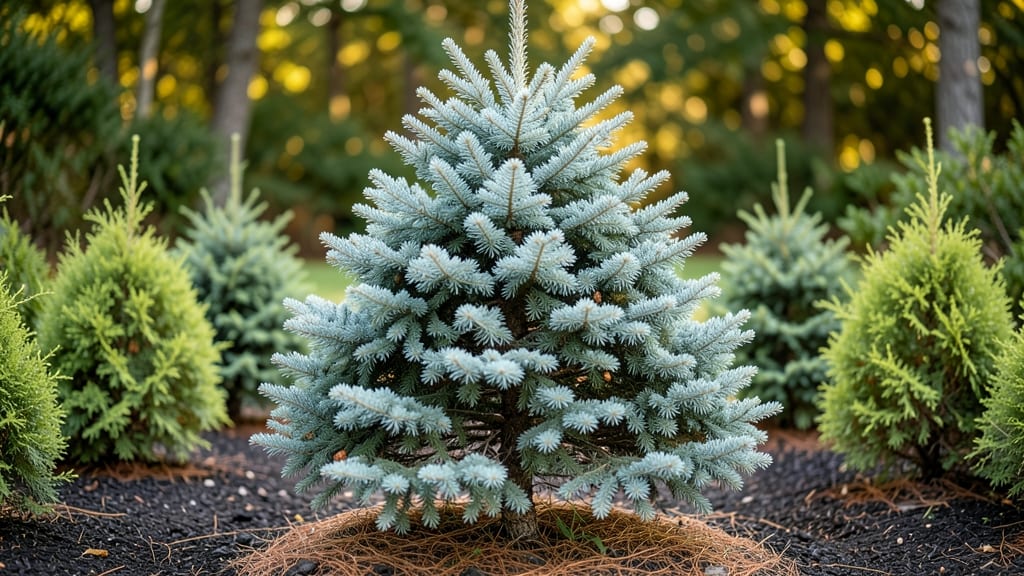
White cedar tree height by variety: mature size ranges explained
White cedar trees, scientifically known as Thuja occidentalis, offer a stunning range of mature heights depending on the variety you choose. The Eastern White Cedar, the species' native form, typically reaches 15 to 20 feet at maturity, making it a mid-sized evergreen.
However, some cultivated varieties can grow significantly taller or remain much shorter, giving you flexibility for different landscape designs.
For those seeking a taller privacy screen, varieties like 'Colonnade' can soar to 30 to 40 feet, while compact options like 'Little Giant' stay between 6 to 10 feet—perfect for small yards or container gardening.
The key is selecting the right variety to match your space and aesthetic goals.
🌲 Here's a quick comparison of popular white cedar varieties and their mature heights:
When planning your landscape, consider the spread of these trees, which can be just as important as their height. For example, 'Little Giant' has a spread of 3 to 5 feet, while 'Techny' can spread up to 10 to 15 feet.
This ensures you leave enough space for roots to grow without crowding other plants or structures.
If you're looking for a balanced height and spread, the 'Emerald Green' variety is an excellent choice. It grows to 12 to 15 feet tall but maintains a narrow profile of 3 to 4 feet wide, making it ideal for hedges or narrow garden beds.
Its dense foliage also provides excellent privacy without overwhelming smaller spaces.
The 'Colonnade' variety is another standout for those who want a tall, narrow silhouette. This variety can reach 30 to 40 feet but stays relatively narrow, making it perfect for creating a vertical privacy screen along property lines or near driveways.
Its upright growth habit also makes it a great choice for formal garden designs.
For smaller gardens or container planting, the 'Little Giant' variety is hard to beat. Its compact size of 6 to 10 feet makes it perfect for patios, balconies, or as a focal point in small landscapes.
Plus, its rounded shape adds a touch of softness to modern or minimalist garden designs.
When selecting a white cedar variety, also consider your local climate and soil conditions. Some varieties, like 'Techny', thrive in full sun and moist, well-drained soil, while others, like 'Emerald Green', are more adaptable to partial shade.
Always check the specific care requirements for the variety you choose to ensure it will thrive in your garden.
Finally, remember that pruning and maintenance can influence the final height and shape of your white cedar tree. Regular pruning can help control height, encourage bushier growth, or maintain a specific shape—whether you want a tidy hedge or a natural, wild look.
With the right variety and care, your white cedar can become a stunning centerpiece in your landscape for decades.
Now that you know the height ranges, you can confidently choose the perfect white cedar variety to fit your space and style. Whether you're dreaming of a towering privacy screen or a compact container tree, there's a white cedar that's just right for you! 🌿
Factors that influence white cedar tree height and growth rate
White cedar trees (Thuja occidentalis) grow at different rates based on environmental factors, and understanding these can help you plan for their mature height and overall shape. Sunlight exposure plays a critical role—too much direct sun can stress the tree, while partial shade promotes steady, healthy growth.
In my garden, I’ve noticed that trees planted under dappled sunlight grow about 20% taller than those in full sun.
Soil type also impacts growth—well-draining, slightly acidic soil (pH 5.0–7.0) encourages faster height increases.
If your soil is heavy clay, amending it with compost can make a noticeable difference in growth rate. Water availability matters too; while white cedars are drought-tolerant once established, consistent moisture in their first year helps them reach their full potential height faster.
Climate zones further influence growth. In USDA Zone 6, where I live, white cedars grow 1–2 feet per year when conditions are ideal. However, in warmer zones like Zone 7 or 8, growth can be 30–50% faster due to longer growing seasons.
Always check your local climate data to adjust expectations for your specific region.
🌲
Pruning is another key factor—if you want to control height, prune the top branches annually to encourage bushier growth. For example, my 'Little Giant' variety stays under 10 feet tall because I prune it lightly every spring.
On the other hand, unpruned standard varieties can reach their full mature height of 30–40 feet within 15–20 years.
Spacing is often overlooked but critical. Planting white cedars too closely can stunt their growth due to competition for nutrients. Aim for 6–10 feet apart for standard varieties to ensure they reach their maximum height potential.
In my landscape, I spaced 'Emerald Green' cedars 8 feet apart, and they’ve grown 25% taller than those planted in tighter clusters.
Finally, avoid over-fertilizing—white cedars thrive on minimal nutrients. Too much fertilizer can lead to weak, leggy growth rather than strong, upright height. Stick to a balanced 10-10-10 fertilizer applied lightly in early spring, and you’ll see steady, healthy growth without unwanted side effects.
✂️