
Flowers
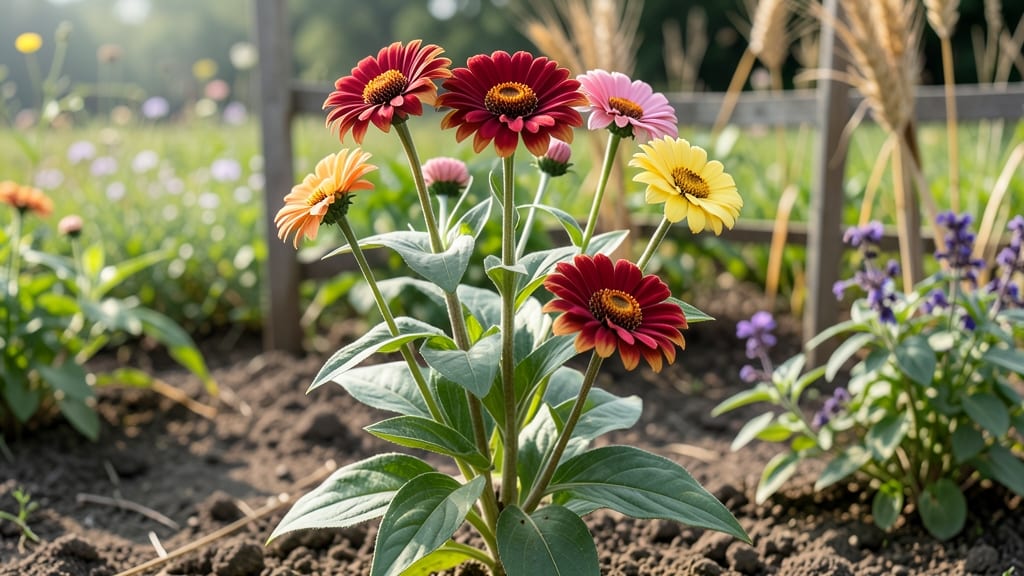
Wondering how tall do zinnia flowers grow before you plan your garden layout? These cheerful blooms come in a surprising range of heights—from tiny 6-inch dwarfs to 4-foot giants—that can completely change how you design your space.
Whether you're dreaming of a bright border or a dramatic backyard statement, knowing your zinnia's mature size helps you avoid overcrowding or underwhelming displays. Some varieties stay compact enough for containers, while others reach heights that make them perfect backdrops for shorter plants.
In this guide, I'll break down the exact height ranges for popular zinnia varieties and share pro tips for controlling their growth. You'll learn which types thrive in small spaces and which need room to stretch their legs.
Ready to pick the perfect zinnia for your garden? Let's dive into the height chart and spacing secrets that will transform your outdoor space from good to show-stopping.


Zinnia flower height by variety: compact vs. towering types
Zinnia flowers are one of the most versatile annuals in any garden, offering a stunning range of heights from tiny 6-inch mounds to towering 4-foot giants. The variety you choose directly impacts your garden layout, spacing needs, and even maintenance requirements.
I’ve grown everything from dwarf zinnias perfect for containers to tall varieties that create dramatic backdrops, and each brings its own unique charm to the space.
Understanding these height differences helps you avoid overcrowding in beds or underwhelming displays in containers. For example, a 4-foot 'Benary’s Giant' zinnia planted too close to a 1-foot 'Thumbelina' variety will leave your dwarf zinnias struggling for sunlight.
Let’s break down the three main height categories—dwarf, medium, and tall—so you can plan with confidence.
🌼 Dwarf zinnias (6-12 inches) are the workhorses of small gardens, containers, and window boxes. These compact beauties thrive in tight spaces and are ideal for border edges or hanging baskets. Varieties like 'Thumbelina' and 'Crystal' produce abundant blooms on sturdy stems, making them perfect for cutting gardens too. Their low height also means less risk of flopping in windy conditions, which is a bonus for coastal gardens.
Medium-height zinnias (1-2 feet) strike the perfect balance, offering height without overwhelming nearby plants. 'Profusion' and 'Crystal' series varieties fall into this category, delivering continuous blooms from summer through fall. These are my go-to for mixed borders or cutting gardens where I want easy access to stems without sacrificing height. They also pair beautifully with salvias or cosmos in pollinator-friendly gardens.
Tall zinnias (2-4 feet) bring drama to the garden, serving as backdrop plants or focal points. 'Benary’s Giant' and 'State Fair' are classic choices that reach 4 feet or more, creating a stunning vertical element. These varieties need staking or support to prevent flopping, especially in humid climates. I often use them behind sunflowers or hollyhocks to add layers of color and texture to my perennial beds.
When selecting zinnias, consider not just their height but also their bloom structure. Some varieties, like 'Crystal', produce double blooms that add texture, while others like 'Profusion' offer single blooms with long vase life.
For example, I love using double-flowered zinnias in my cottage garden for their lush appearance, while single-flowered types attract more pollinators to my vegetable patches.
Another factor to consider is stem strength. Taller varieties often need support stakes or cage structures to prevent them from toppling over in wind or rain.
In my USDA Zone 7b garden, I’ve found that Benary’s Giant zinnias benefit from bamboo stakes placed at planting time, while dwarf varieties like 'Thumbelina' stay upright without any extra help. This makes planning for
Proper spacing and sunlight needs for zinnia heights
Zinnia height isn’t just about the variety you choose—it’s also about how you space them and how much sunlight they receive. Overcrowding can stunt growth, while proper spacing and full sun exposure encourage those vibrant blooms to reach their full potential.
Let’s break down the ideal conditions to help your zinnias grow tall and healthy.
For dwarf varieties like 'Thumbelina,' plant seeds 6-8 inches apart to give them room to spread without competing for nutrients. Medium-height zinnias, such as 'Benary’s Giant,' thrive with 12-18 inches of space between plants.
Meanwhile, tall varieties like 'State Fair' need 18-24 inches to avoid shading weaker stems and ensure strong, upright growth.
Here’s the key: Sunlight is non-negotiable for zinnias. They need 6-8 hours of direct sun daily to grow tall and produce abundant blooms. Without enough light, stems become leggy and weak, and flowers may not open fully.
If your garden gets partial shade, opt for dwarf varieties or supplement with grow lights.
Another critical factor is soil quality. Well-draining, nutrient-rich soil helps zinnias develop strong root systems, which directly impacts their height. Amend heavy clay soil with compost to improve aeration, and avoid waterlogged conditions, which can stunt growth or cause root rot.
One common mistake gardeners make is planting zinnias too closely together in an attempt to create a dense border. While this might look lush initially, it leads to competing plants that struggle for sunlight and nutrients, resulting in shorter, weaker stems.
Always follow the spacing guidelines for your specific variety to maximize height and blooms.
Finally, thinning seedlings early on is essential. If you sow seeds directly in the garden, thin them to the recommended spacing once they develop their first true leaves. This might seem harsh, but it ensures each plant has enough room to grow tall and strong without competing with neighbors.
- Spacing: Dwarf (6-8"), Medium (12-18"), Tall (18-24")
- Sunlight: 6-8 hours of direct sun daily for optimal growth
- Soil: Well-draining, nutrient-rich soil prevents stunted growth
- Thinning: Remove weak seedlings early to avoid overcrowding
- Avoid: Planting in shaded areas or waterlogged soil
By paying attention to these spacing and sunlight needs, you’ll set your zinnias up for success. Whether you’re growing them in a flower bed, container garden, or cutting garden, proper care ensures they reach their full height potential while staying healthy and vibrant all season long.