
How To
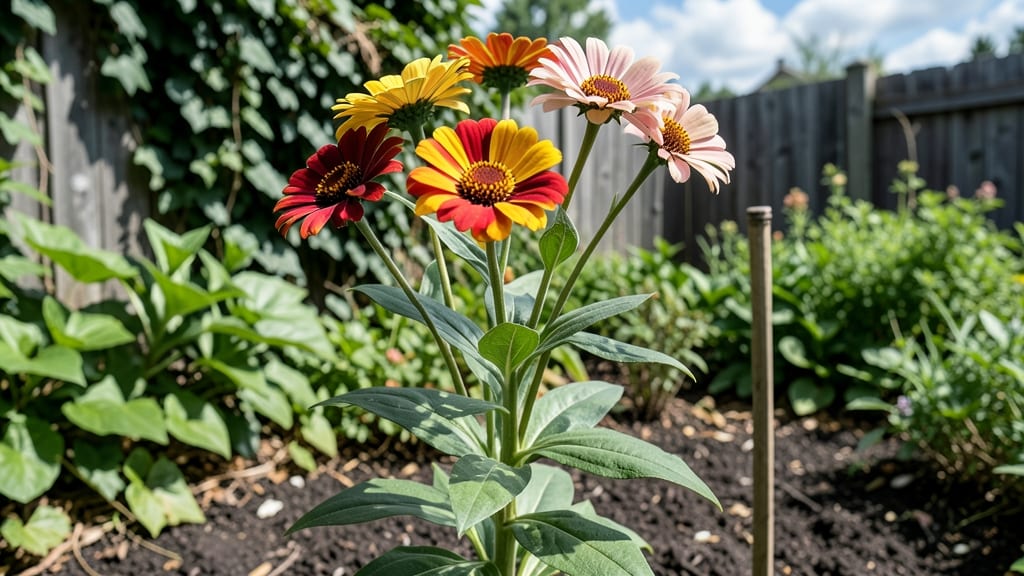
If you’ve ever wondered how tall do zinnia grow, the answer might surprise you—these cheerful blooms can range from tiny 6-inch charmers to 4-foot giants that steal the show in any garden.
Whether you’re dreaming of a cottage garden overflowing with 🌼 zinnias or a compact container display, knowing their height is the first step to planning your perfect floral design.
The beauty of zinnias lies in their versatility—dwarf varieties like ‘Thumbelina’ stay compact, making them ideal for borders or window boxes, while towering ‘Benary’s Giant’ can reach 4 feet or more.
This variety matters because it directly impacts where you plant them, how much space to allocate, and even how you’ll care for them.
But height isn’t just about aesthetics—it’s also about function. Tall zinnias need staking to prevent flopping, while dwarf types thrive in tight spaces or mixed containers. If you’re new to gardening, understanding these differences will help you avoid common pitfalls like overcrowding or underestimating their growth potential.
In this guide, I’ll break down everything you need to know—from the shortest zinnias to the tallest—so you can choose the perfect variety for your space, sunlight, and style. Let’s dive in and find the ideal zinnias for your garden!


Zinnia height by variety: dwarf to giant size guide
Zinnias are one of the most versatile flowers in the garden, with heights ranging from tiny 6-inch mounds to towering 4-foot giants.
The variety you choose will determine not just how tall your zinnias grow, but also their garden placement, care requirements, and even their pollinator appeal. Let’s break down the most popular zinnia varieties by height category so you can pick the perfect fit for your space.
Understanding zinnia height categories helps you visualize their mature size before planting. Dwarf varieties stay under a foot tall, making them ideal for containers or edging, while tall varieties can reach heights that rival sunflowers.
Even within these categories, individual plants can vary by 6-12 inches depending on growing conditions and care.
Here’s how I categorize zinnia heights for easy reference:
| Height Category | Mature Height | Popular Varieties | Best For |
|---|---|---|---|
| Dwarf | 6–12 inches | 'Thumbelina', 'Crystal', 'Zahara Mini' | Containers, borders, window boxes |
| Semi-Dwarf | 1–2 feet | 'Benary’s Giant', 'Persian Carpet', 'Profusion' | Cut flowers, mass plantings, pollinator gardens |
| Standard | 2–3 feet | 'State Fair', 'Envy', 'Double Hit' | Back of borders, mixed beds, cut arrangements |
| Tall | 3–4 feet | 'Benary’s Giant' (tallest), 'Magellan', 'Peach Dazzler' | Backdrop plants, tall arrangements, focal points |
If you’re planting zinnias in containers or small spaces, dwarf varieties like 'Thumbelina' (just 6 inches tall) are my top recommendation. These stay compact but still produce bold blooms perfect for patio displays.
For cut flower arrangements, semi-dwarf or standard varieties like 'Profusion' or 'State Fair' offer the best balance of height and durability.
Tall zinnias like 'Benary’s Giant' can reach 4 feet or more, making them ideal for backdrop planting or creating vertical interest in your garden. However, these varieties often need staking or support to prevent flopping, especially in windy conditions or when heavily laden with blooms.
Pro tip: Check seed packets for mature height ranges—some varieties may list a range like 24–36 inches to account for natural variation. Always plant taller varieties at the back of your flowerbed to avoid shading shorter plants.
For pollinator gardens, medium-height zinnias (18–24 inches) like 'Envy' or 'Crystal' strike the perfect balance—they’re tall enough to attract bees and butterflies but not so tall they become top-heavy. Plus, their bright colors make them irresistible to beneficial insects.
🌼
How zinnia height affects garden design and care
Zinnia height isn’t just about aesthetics—it directly impacts how you design your garden and care for your plants. A 4-foot giant needs staking and space, while a 6-inch dwarf thrives in tight borders. Understanding these differences helps you create balanced, thriving flowerbeds that avoid overcrowding or flopping stems.
Taller zinnias, like 'Benary’s Giant' or 'State Fair', reach 3-4 feet and demand 18-24 inches of spacing to prevent stems from bending under their own weight. Without proper support, their blooms can flop dramatically, turning a showstopper into a sad, sprawling mess.
Dwarf varieties, such as 'Thumbelina' or 'Crystal', stay under 12 inches and can be planted 6-8 inches apart, making them perfect for containers or edging.
- 🌿 Tall zinnias (2-4 ft): Space 18-24" apart; use stakes or cages to prevent flopping.
- 🌱 Medium zinnias (1-2 ft): Space 12-16" apart; minimal support needed for light winds.
- 🌼 Dwarf zinnias (6-12 in): Space 6-8" apart; ideal for containers or borders.
- ✂️ All heights: Deadhead regularly to encourage continuous blooming and maintain shape.
- ☀️ Sun exposure: Taller varieties may need afternoon shade in hot climates to prevent heat stress.
Height also influences garden design layers. Place tall zinnias at the back of borders to create vertical interest, while dwarf varieties work beautifully in foreground plantings or hanging baskets.
For cut flower arrangements, taller zinnias add dramatic height, while smaller varieties provide delicate fillers. Mixing heights creates textural depth and keeps your garden visually engaging.
Care adjustments are key for tall zinnias. Since they’re top-heavy, staking or caging is non-negotiable. I recommend bamboo stakes or tomato cages inserted at planting to avoid damaging roots later.
For dwarf varieties, focus on regular deadheading to prevent legginess, as they’re more prone to stretching for sunlight when crowded. Mulching around all zinnias helps retain moisture and supports sturdy stems.
Don’t overlook watering habits based on height. Taller zinnias have larger root systems and may need 1-2 inches of water weekly, while dwarfs thrive with ½ inch per week. Always water at the base of the plant to avoid fungal diseases like powdery mildew, which loves damp foliage.
In hot, humid climates, taller varieties benefit from morning watering to dry leaves quickly.
Finally, height affects pollinator appeal. Taller zinnias attract butterflies and bees from a distance, while dwarf varieties provide ground-level nectar for bumblebees and beneficial insects.
For a pollinator paradise, interplant tall and dwarf zinnias with other height-varied flowers like cosmos or marigolds to create a continuous bloom corridor.