
How To
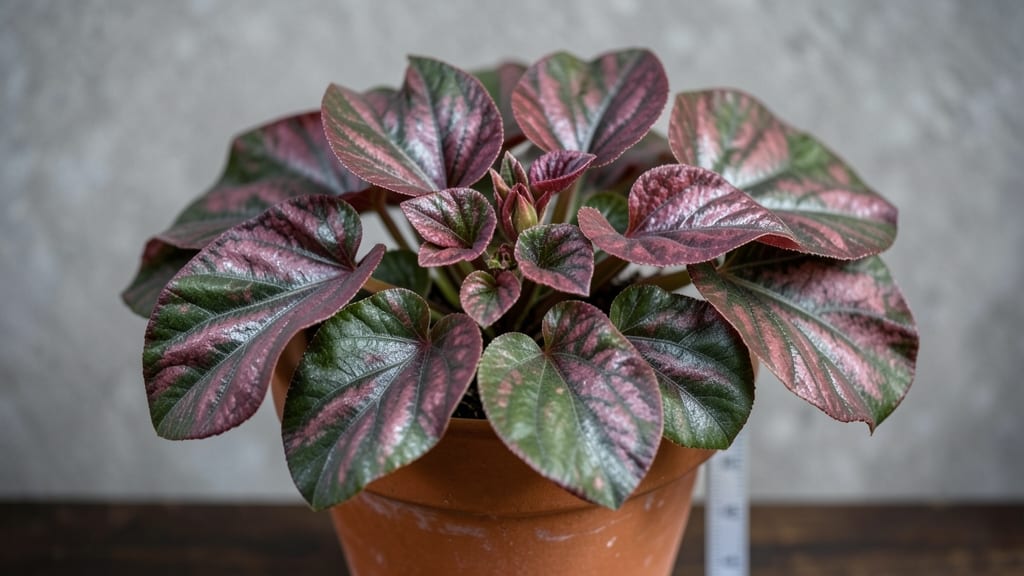
If you're wondering how tall does a begonia grow, the answer might surprise you—because these plants come in sizes that range from tiny tabletop companions to dramatic cascading displays.
Whether you're dreaming of a delicate 🌸 begonia perched on a windowsill or a trailing variety spilling over a hanging basket, knowing the right height for your space is key to creating the perfect look.
Begonias aren’t one-size-fits-all; some stay compact at just 6-12 inches, while others stretch toward 2 feet or more, especially the trailing types. The difference often comes down to the variety—wax begonias tend to be bushier, while rex begonias might lean taller with their striking foliage.
Even light levels and container size can tweak their growth, so choosing the right type for your setup makes all the difference.
For small spaces, dwarf varieties are a game-changer, fitting neatly into pots or shelves without overwhelming your decor. Meanwhile, trailing begonias thrive in hanging planters, turning empty corners into lush, green waterfalls.
Whether you're working with USDA Zone 6a conditions or keeping them indoors, understanding these height variations helps you pick the perfect begonia for your style and space.
Ready to find the ideal fit? Let’s break down the height ranges, growth habits, and pro tips for keeping your begonias at just the right size—so you can enjoy their beauty without the guesswork. Your dream display is closer than you think!


Begonia height variations: compact vs trailing growth habits
Begonias are one of the most versatile plants for both indoor and outdoor spaces, but their height can vary dramatically depending on the variety. Some stay compact enough for a windowsill, while others trail elegantly over shelves or garden edges.
Understanding these differences helps you choose the perfect begonia for your space and care style.
Most begonias fall into two broad categories: compact bush varieties and trailing or cascading types. Compact begonias, like wax and rex varieties, typically reach 6 to 18 inches tall and grow in a rounded shape.
Trailing begonias, on the other hand, can stretch 12 to 36 inches or more when given support or allowed to cascade naturally.
Here’s how the most popular types compare in terms of mature height and growth habits, along with practical tips for each:
| Variety | Height Range | Growth Habit | Best For |
|---|---|---|---|
| Wax Begonia | 12–24 inches | Bushy, upright | Borders, containers, indoor pots |
| Rex Begonia | 6–12 inches | Compact, rosette-shaped | Windowsills, terrariums, small shelves |
| Angel Wing Begonia | 18–24 inches | Upright with winged leaves | Shady garden spots, large containers |
| Trailing Begonia | 12–36+ inches | Cascading, vine-like | Hanging baskets, shelves, trellises |
| Tuberous Begonia | 12–24 inches (some up to 3 feet) | Upright with tuberous roots | Garden beds, outdoor containers |
Light and care conditions can also influence height. For example, trailing begonias will grow taller and longer when given bright, indirect light and support, while compact varieties may stay shorter if pruned regularly. In low-light conditions, most begonias will grow slower and may not reach their full potential height.
When planning your garden or indoor space, consider the mature height of each variety. For instance, rex begonias are ideal for small spaces like windowsills or terrariums, while trailing begonias thrive in hanging baskets or vertical gardens. Always check the specific variety’s care tags for precise height expectations.
Outdoor planting requires extra attention to spacing. Compact begonias need about 6 to 12 inches between plants, while trailing types should have 12 to 18 inches of space to sprawl without overcrowding.
In containers, trailing begonias will need a pot with a diameter of at least 10 to 12 inches to accommodate their roots and vines.
If you’re unsure which type to choose, start with a mix of compact and trailing begonias to add texture and variety to your space. For example, pair a rex begonia on a shelf with a trailing begonia in a hanging basket below for a stunning vertical display.
One common mistake is assuming all begonias grow the same way. Tuberous begonias, for instance, can reach up to 3 feet tall in ideal conditions, while dwarf rex begonias may only grow to 4 to 6 inches. Always research the specific variety before purchasing to avoid disappointment.
For indoor growers, remember that height is influenced by light exposure. A trailing begonia in a north-facing window may grow slower and shorter than one in a south-facing window with bright, indirect light. Adjust your care routine based on your plant’s response to its environment.
Finally, don’t forget that pruning and pinching can help control height in both compact and trailing varieties. Regular maintenance ensures your begonias stay healthy, vibrant, and within your desired space constraints.
🌸
Begonia height variations: compact vs trailing growth habits
Begonias are incredibly versatile, with height variations that range from tiny tabletop plants to lush, cascading vines.
The type you choose determines whether your begonia stays cozy on a windowsill or spills dramatically over a hanging basket. Wax begonias, for example, typically stay between 6-12 inches tall, making them perfect for borders or indoor shelves, while trailing varieties like Begonia boliviensis can stretch up to 3 feet or more when given proper support.
Your begonia’s final height also depends on growing conditions. Bright indirect light encourages bushier growth, while low-light conditions may result in leggier, taller stems. Outdoor begonias planted in partial shade gardens often grow taller than their indoor counterparts, which thrive in east-facing windows with controlled light exposure.
Even within the same variety, pruning habits and container size can influence how tall your plant becomes.
| Variety | Height Range | Growth Habit | Best For |
|---|---|---|---|
| Wax Begonia | 6–12 inches | Compact, bushy | Indoor pots, borders |
| Rex Begonia | 12–18 inches | Upright, decorative leaves | Houseplants, terrariums |
| Angel Wing Begonia | 18–24 inches | Semi-trailing, arching | Hanging baskets, shelves |
| Trailing Begonia (e.g., Begonia boliviensis) | 2–3 feet+ | Vining, sprawling | Vertical gardens, trellises |
If you’re growing begonias outdoors, tuberous begonias often reach their maximum height by mid-summer, while fibrous-rooted types like angel wing begonias may continue growing until the first frost. For indoor varieties, container size matters—smaller pots restrict root growth, keeping plants shorter and bushier.
Always leave 1–2 inches of space between the plant’s current height and the pot’s rim to prevent overcrowding.
Light exposure plays a surprising role in height control. Too much direct sun can cause etiolation (stretched, weak stems), while insufficient light leads to leggy growth.
Aim for 4–6 hours of bright indirect light daily, and rotate your plant every 2–3 weeks to encourage even growth. Grow lights are ideal for winter months when natural light fades.
For dwarf varieties like Begonia ‘Dragon Wings’, expect heights under 6 inches, perfect for fairy gardens or windowsill displays. Meanwhile, tuberous begonias can surge to 2 feet tall when planted in well-draining garden beds.
Always check the seed packet or plant tag for specific height expectations—this is your best guide for planning spacing and support structures.
Whether you love compact foliage plants or dramatic trailing cascades, begonias offer endless possibilities. Start with the variety that fits your space and style, then adjust light, pruning, and container size to fine-tune the height.
With the right care, your begonia will thrive—whether it’s a tiny tabletop star or a lush, room-filling centerpiece.