
Plants
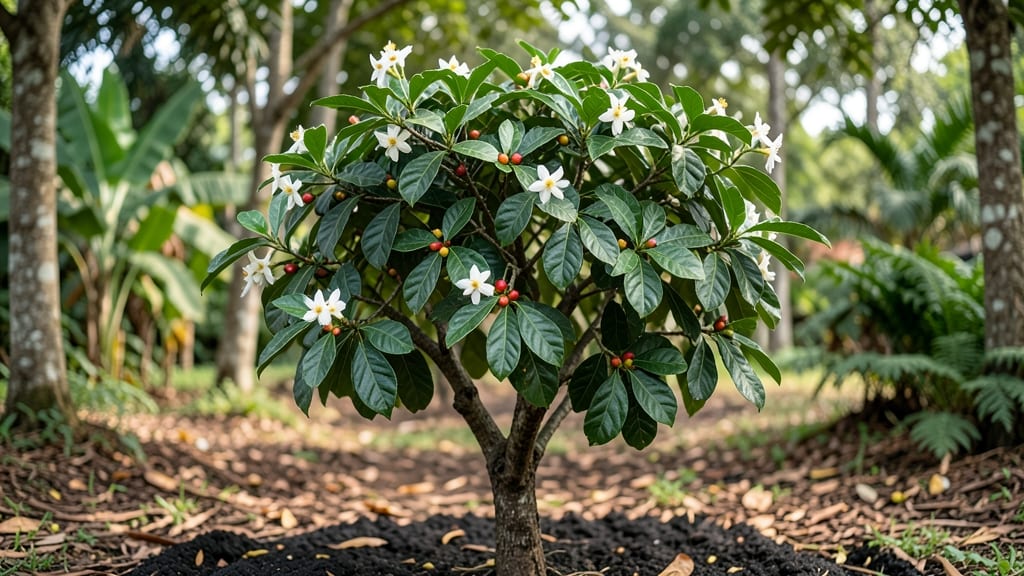
If you’re curious about how tall does a coffee plant grow, the answer might surprise you—especially when comparing your cozy windowsill ☕ to a sprawling tropical plantation.
While some varieties can tower over 10 feet in ideal conditions, others stay compact enough for indoor growing, making them perfect for home gardeners with limited space.
The key difference lies in where you grow it. Outdoor coffee plants in USDA zones 10-12 often reach their full height of 10-30 feet, thriving as small trees or shrubs with proper care.
But indoors? That’s where things get interesting—with the right pruning and light, you can keep them manageable while still enjoying fresh leaves (or even beans, if you’re patient).
Whether you’re dreaming of a lush backyard ☕ grove or just want a stylish houseplant, understanding these growth patterns is the first step. I’ll break down how sunlight, pruning, and soil play into your coffee plant’s height—so you can grow exactly what fits your space (and caffeine cravings!).
Ready to learn how to shape your coffee plant’s future? Let’s dive into the factors that turn a tiny seedling into a towering tropical beauty—or a neatly trimmed tabletop centerpiece.


Coffee plant height guide: expected growth for indoor and outdoor cultivation
Coffee plants are fascinating because their height can vary dramatically depending on where you grow them. In their native tropical climates, coffee plants—like Arabica and Robusta varieties—often grow into small trees, reaching heights of 10 to 30 feet when mature.
However, if you're growing them indoors or in containers, their height can be much more manageable with the right care.
For outdoor gardeners in USDA Zones 10-12, coffee plants thrive as shrubs or small trees, with Arabica typically staying between 10 to 15 feet tall, while Robusta can grow taller, up to 20 to 30 feet.
The key difference lies in sunlight exposure, soil quality, and pruning habits, which we’ll explore further.
Indoors, coffee plants rarely reach their full outdoor potential. Without enough natural light or space, they often max out at 3 to 6 feet tall, making them perfect for windowsill gardens or small indoor setups.
The trick is to mimic their tropical environment—think humidity, filtered sunlight, and consistent moisture.
Here’s a quick comparison to set expectations for your growing goals:
| Growing Environment | Variety | Mature Height Range | Growth Rate (Per Year) | Key Care Tips |
|---|---|---|---|---|
| Outdoor (Tropical Climate) | Arabica | 10–15 ft | 1–3 ft | Full sun, well-draining soil, prune annually |
| Outdoor (Tropical Climate) | Robusta | 20–30 ft | 2–4 ft | Partial shade, rich soil, stake for support |
| Indoor (Container) | Arabica (Dwarf) | 3–6 ft | 6–12 inches | Bright indirect light, rotate pot, prune regularly |
| Indoor (Container) | Robusta (Standard) | 4–8 ft | 1–2 ft | Humidity tray, east-facing window, fertilize monthly |
If you’re growing coffee plants outdoors in warmer climates, you’ll notice they grow faster and taller, especially if left unpruned. Arabica varieties tend to be more compact, while Robusta can become towering trees if given the space.
In contrast, indoor coffee plants grow slower due to limited light and space, but with proper care, they can still thrive as ornamental shrubs.
One critical factor influencing height is pruning. Regular pruning encourages bushier growth and prevents legginess, which is especially important for indoor plants. Without pruning, even indoor coffee plants can stretch toward light sources, becoming top-heavy and unstable.
I recommend pruning in late winter or early spring to shape your plant and promote new growth.
Another factor is the container size. Coffee plants in small pots will grow slower and may never reach their full height potential. For optimal growth, use a container that’s at least 12–18 inches deep and wide enough to accommodate the root system.
If you’re aiming for a compact coffee plant, choose a smaller pot and prune regularly to control height.
Sunlight plays a huge role in height regulation. Coffee plants need 6–8 hours of sunlight daily, but direct afternoon sun can scorch leaves. Indoors, place your plant near an east-facing window or under grow lights to simulate natural light cycles.
Without enough light, your coffee plant will grow leggy and weak, struggling to reach its full potential.
Finally, soil quality and nutrients affect growth speed and height. Coffee plants thrive in well-draining, slightly acidic soil (pH 6.0–6.5) rich in organic matter. Use a balanced fertilizer (like 10-10-10) every 4–6 weeks during the growing season to encourage healthy growth.
Over-fertilizing can lead to rapid but weak growth, so always follow the recommended dosage.
Whether you’re growing coffee plants for their fragrant leaves, beautiful flowers, or even potential homegrown coffee cherries, understanding their height potential will help you plan your garden layout.
With the right care, you can enjoy a coffee plant that fits your space—whether it’s a towering outdoor tree or a compact indoor shrub!
Coffee plant height guide: expected growth for indoor and outdoor cultivation
Coffee plants are fascinating because their height can vary dramatically depending on where you grow them. In their natural tropical habitats, coffee plants like Coffea arabica and Coffea canephora (Robusta) can reach 10-30 feet tall as small trees or shrubs.
However, when cultivated in containers or indoors, their growth is far more manageable—often staying between 3-6 feet tall with proper care.
The key difference lies in space, sunlight, and pruning. Outdoor coffee plants in warm climates (USDA Zones 10-12) thrive with room to spread, while indoor plants rely on regular pruning and training to stay compact.
Even in ideal conditions, most home gardeners won’t see their coffee plants tower over their homes—unless they’re intentionally growing them as small trees!
🌱 Did You Know? Coffee plants grown in full sun outdoors can grow 3x faster than those kept indoors with limited light. This is why outdoor plants often reach their maximum height of 20-30 feet, while indoor plants rarely exceed 6 feet without special care.
| Growing Environment | Height Range | Sunlight Needs | Pruning Needs |
|---|---|---|---|
| Outdoor (Tropical Climate) | 10-30 ft (mature) | 6-8 hours/day (partial shade) | Minimal (natural shape) |
| Outdoor (Container) | 6-10 ft (with pruning) | 6 hours/day (morning sun) | Regular (to control height) |
| Indoor (Windowsill) | 3-6 ft (compact) | Bright indirect light (4-6 hrs) | Frequent (to maintain size) |
| Indoor (Grow Lights) | 4-8 ft (with light control) | 12-14 hours/day (grow lights) | Moderate (shape management) |
If you're growing coffee plants outdoors in USDA Zones 10-12, expect them to grow 2-5 feet in their first year, then 5-10 feet in the second year, and finally reach their mature height of 10-30 feet by year 3 or 4.
The Arabica variety tends to grow slightly taller than Robusta, which stays more compact as a shrub.
For indoor growers, light is everything. Without enough bright indirect sunlight, your coffee plant will stretch toward the light (a condition called etiolation) and grow leggy.
To keep it 3-6 feet tall, place it near an east-facing window or use grow lights for 12-14 hours daily. Regular pinching back of new growth also encourages bushier, shorter plants.
Remember, coffee plants are not frost-tolerant, so if you're growing them outdoors in cooler climates, they’ll need to be potted and brought indoors during winter.
Even a light frost can kill these tropical plants, so container growing is often the best option for most home gardeners outside their native range.