
How To
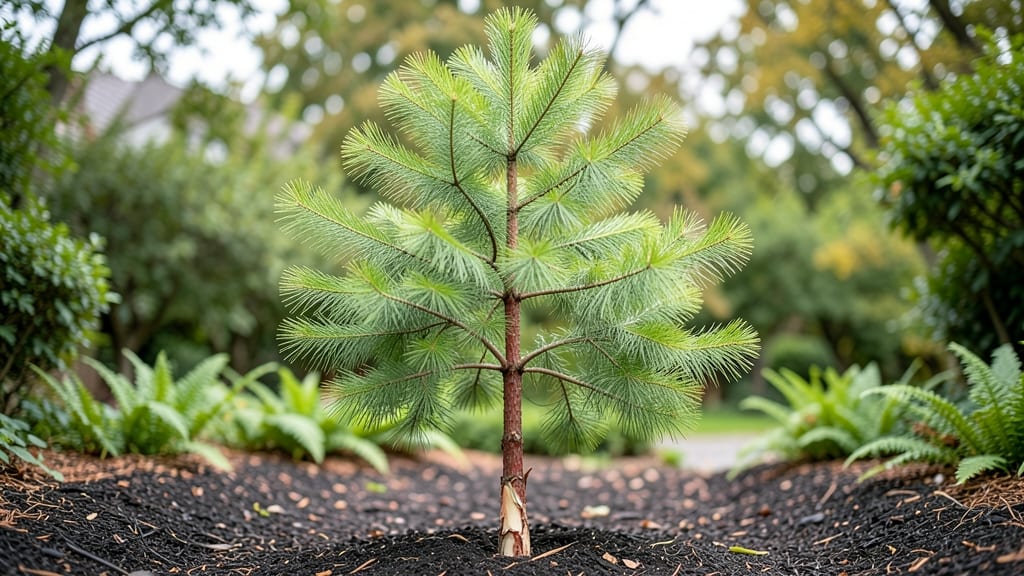
If you’re wondering how tall does a dawn redwood grow, you’re about to discover why this ancient tree is both a gardener’s dream and a space planner’s challenge.
The dawn redwood (🌲 Metasequoia glyptostroboides) can reach heights of 40 to 100 feet in ideal conditions, making it a true giant—but its growth isn’t just about time. Your climate zone, soil quality, and sunlight exposure play huge roles in how quickly it stretches toward the sky.
In cooler zones like 6a, where winters are crisp and summers mild, these trees often hit their full potential faster. But even in warmer areas, with the right care, you can watch your dawn redwood shoot up 3 to 5 feet per year in its youth.
That means what starts as a small sapling in spring could become a towering landmark within decades.
Of course, not everyone has room for a forest in their backyard. The good news? With strategic pruning and container growing, you can manage its size—though even the most careful trimming won’t turn this tree into a dwarf.
We’ll break down how to balance ambition with practicality, so you can enjoy its beauty without sacrificing your garden’s layout.
Whether you’re eyeing a dawn redwood for a grand landscape feature or a compact urban space, understanding its growth habits is key. Let’s explore how to nurture this living fossil while keeping your vision—and your yard—intact.


Dawn redwood height by USDA hardiness zone: what to expect in your climate
The dawn redwood (Metasequoia glyptostroboides) is a true giant, but its final height depends heavily on your USDA hardiness zone.
In ideal conditions—like the Pacific Northwest (zones 7-8)—this ancient tree can soar to 80-100 feet, while in cooler zones (like zone 5), it may max out at 40-60 feet. Let’s explore how your climate affects its growth trajectory.
In zones 6-8, where dawn redwoods thrive, they grow fastest with 6-12 inches of vertical gain per year during their first decade. By age 20, a well-cared-for specimen in zone 7 could already be 30-40 feet tall.
Meanwhile, in zone 5, growth slows due to shorter growing seasons, often reaching 20-30 feet by age 20.
Humidity also plays a role: Southern climates (zones 7-8) with high humidity can lead to faster growth, while drier Western zones (like California) may see slightly slower but more robust vertical development. Always factor in your local microclimate—urban areas with heat islands can push growth higher than rural spots.
🌲
| USDA Zone | Mature Height Range | Growth Rate (First 10 Years) | Climate Notes |
|---|---|---|---|
| Zone 5 | 40-60 ft | 4-8 in/year | Slow growth; shorter summers |
| Zone 6 | 50-70 ft | 6-10 in/year | Moderate; balanced seasons |
| Zone 7 | 60-80 ft | 8-12 in/year | Fast; humid summers |
| Zone 8 | 70-100 ft | 10-14 in/year | Optimal; year-round growth |
If you’re in zone 8, your dawn redwood could rival the world’s tallest specimens (over 100 feet) with ideal care. However, even in zone 5, don’t underestimate its potential—given 30-40 years, it can still reach 50 feet with proper soil and sunlight.
The key is well-draining, slightly acidic soil (pH 5.0-6.5) and protection from winter winds.
For urban gardeners, microclimates matter more than zone alone. A dawn redwood near a heat-retaining wall in zone 6 might grow as fast as one in zone 7. Always observe your tree’s foliage color—healthy green needles mean optimal growth conditions.
🌿
One common misconception is that dawn redwoods grow faster than other conifers. While they’re not the fastest (like leucadendron), they outpace many evergreens in their youth.
In zone 7, a 10-year-old dawn redwood can already be 20-30 feet tall, making it a statement piece in large gardens.
For smaller properties, consider spacing multiple dawn redwoods 20-30 feet apart to create a living forest effect without overwhelming your yard. Their pyramidal shape also makes them ideal for windbreaks in open fields.
✂️
How fast does a dawn redwood grow? Annual growth rates and mature size timelines
If you’re planning to grow a dawn redwood in your garden, understanding its growth rate will help you manage expectations and space. This ancient tree starts slow but eventually grows with impressive speed—once it matures.
In its first few years, seedlings grow just 1-2 feet per year, but by age 10, that rate can jump to 2-3 feet annually. With ideal conditions, some specimens reach 30 feet in 20 years, making it one of the faster-growing conifers.
The juvenile growth phase (first 5-10 years) is the slowest, but don’t let that fool you—dawn redwoods are fast growers once established. In the Pacific Northwest, where they thrive, trees can add 3-5 feet per year after their first decade.
Compare that to a redwood, which grows at about 2 feet per year, and you’ll see why dawn redwoods are prized for their efficiency.
🌱
- 🌱 Year 1-3: 1-2 ft/year (3-6 ft total)
- 🌿 Year 4-10: 2-3 ft/year (12-30 ft total)
- 🌳 Year 11-20: 3-5 ft/year (30-60 ft total)
- 🏞️ Year 20+: 2-4 ft/year (60-100+ ft total)
Soil moisture and sunlight play huge roles in growth acceleration. Dawn redwoods thrive in moist, well-draining soil with partial shade to full sun. In humid climates like the Pacific Northwest, they grow faster than in drier regions like the Mid-Atlantic.
For example, a tree in USDA Zone 7 might hit 30 feet in 15 years, while one in Zone 5 could take 20 years to reach the same height.
Pruning can also influence growth direction and speed. Structural pruning in early years helps shape the tree and encourages upward growth, while crown thinning later on improves airflow and light penetration. However, avoid heavy pruning—it can slow growth temporarily.
If you’re growing a dawn redwood in a container, expect even slower growth (1-2 feet per year) due to root restriction, but proper care can still yield a stunning specimen.
One common misconception is that dawn redwoods grow too fast to control. While they’re not as aggressive as bamboo, their height can still surprise gardeners. To keep them manageable, plant them 30-50 feet from structures and monitor their growth annually.
If you’re in a small garden, consider a dwarf cultivar like ‘Nana’, though even these can reach 15-20 feet over time.
🌲
For the fastest growth, focus on consistent moisture, balanced fertilization in spring, and protection from wind. With the right conditions, your dawn redwood could become a 60-foot giant in 25 years—a living testament to prehistoric beauty in your backyard.
Just be prepared to plan for its future height from day one!