
How To
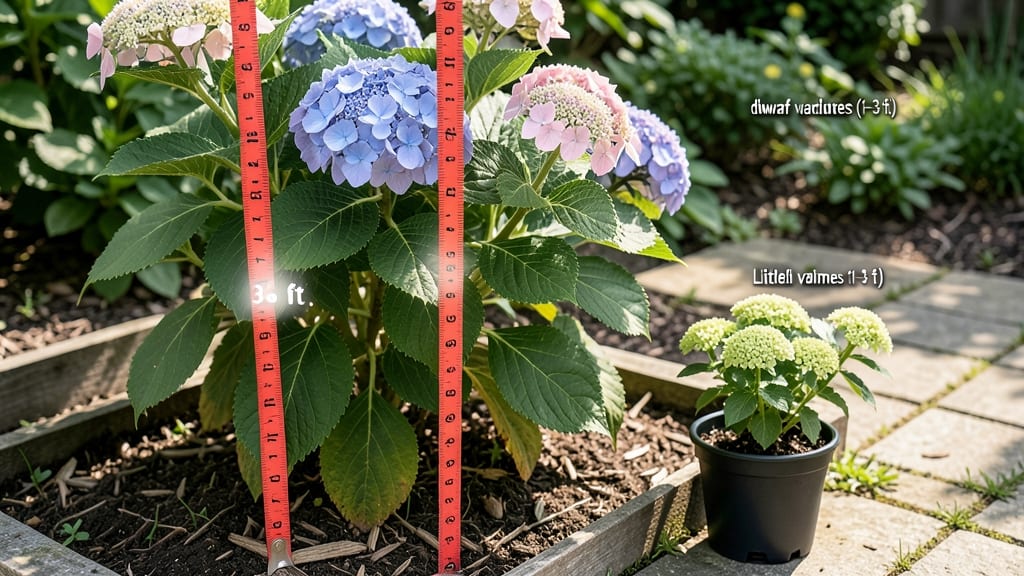
Wondering how tall does a hydrangea grow before it becomes a garden takeover? These stunning 🌸 shrubs can range from compact 3-foot beauties to towering 8-foot giants, depending on the variety and care you provide.
If you've ever dreamed of hydrangeas that stay neatly contained in your garden beds, the secret lies in understanding their natural growth patterns—and how to guide them with smart pruning.
Whether you're dealing with delicate lacecaps or bold panicle types, knowing when and how to trim makes all the difference in keeping your hydrangeas at your ideal height.
Let me show you exactly which varieties stay small, which ones grow tall, and the simple pruning techniques that let you control their size without sacrificing those show-stopping blooms. You'll discover how to keep your hydrangeas looking their best year after year.
From choosing the right spot in your yard to mastering the timing of your pruning, we'll cover everything you need to know to enjoy perfectly proportioned hydrangeas that fit beautifully in your landscape. Let's get started!


Natural height variations of hydrangeas by type and variety
Hydrangeas are one of the most popular shrubs for their stunning blooms, but their mature height can vary wildly depending on the species and variety. If you're planning your garden layout, knowing these differences will help you choose the perfect hydrangea for your space.
Some varieties stay compact, while others can reach tree-like proportions, making them ideal for privacy screens.
The four main types of hydrangeas—mophead, lacecap, panicle, and oakleaf—each have distinct growth habits. For example, mophead hydrangeas (like 'Endless Summer') typically grow 3–5 feet tall, while panicle hydrangeas (such as 'Limelight') can soar to 8–10 feet.
Understanding these differences ensures you pick a variety that fits your garden vision without overpowering it.
Here’s a quick comparison of how tall each type grows at maturity, along with some of the most popular varieties and their ideal uses in your garden.
| Variety | Type | Mature Height (ft) | Best For |
|---|---|---|---|
| 'Endless Summer' | Mophead | 3–5 ft | Foundation plants, borders |
| 'Nikko Blue' | Lacecap | 4–6 ft | Woodland gardens, shade areas |
| 'Limelight' | Panicle | 6–8 ft | Privacy screens, tall hedges |
| 'Little Lime' | Panicle (dwarf) | 2–3 ft | Containers, small gardens |
| 'Oakleaf' | Oakleaf | 5–7 ft | Specimen plants, mixed borders |
| 'Annabelle' | Panicle | 3–5 ft | Cut flowers, cottage gardens |
If you're working with limited space, dwarf varieties like 'Little Lime' or 'Mini Penny' are excellent choices, topping out at just 2–3 feet. These are perfect for containers, window boxes, or small gardens where space is at a premium.
On the other hand, if you're aiming for a privacy screen or dramatic focal point, taller varieties like 'Limelight' or 'Grandiflora' will deliver stunning results.
Another factor that influences height is the growing conditions you provide. Hydrangeas planted in full sun with rich, moist soil tend to grow taller and more vigorously than those in shadier or poorer soil.
However, even in ideal conditions, their height is largely determined by their genetics. For example, oakleaf hydrangeas naturally grow taller than mophead types, regardless of care.
For gardeners in USDA Zones 5–9, most hydrangeas thrive, but their growth rate can slow down in cooler climates. In warmer zones, they may grow more aggressively, so regular pruning becomes essential.
If you're unsure about your zone, check the USDA Plant Hardiness Zone Map to match your location with the best hydrangea varieties for your area.
One common misconception is that all hydrangeas need full sun to reach their maximum height. In reality, many varieties—especially mophead and lacecap types—prefer partial shade to prevent leaf scorch and ensure vibrant blooms.
Planting them in a spot with morning sun and afternoon shade often results in a more compact, bushier growth habit.
When selecting a hydrangea for your garden, consider not just its height but also its spread and growth habit. Some varieties, like 'Endless Summer,' grow in a rounded shape, while others, like 'Limelight,' have a more upright, vase-like form.
This distinction can help you visualize how the plant will fill out over time and whether it will fit well in your garden design.
If you're still unsure which variety to choose, start with a medium-height hydrangea like 'Annabelle' or 'Nikko Blue.' These offer a balance of height, bloom size, and adaptability, making them a great fit for most gardeners.
Once you've seen how they perform in your space, you can experiment with taller or shorter varieties in future plantings.
Pruning techniques to control hydrangea height without harming the plant
Pruning is your secret weapon for keeping hydrangeas at your desired height while encouraging healthy blooms. The key is timing—most varieties bloom on old wood (last year’s growth), so prune right after flowering to avoid cutting off next year’s buds.
For panicle hydrangeas, which bloom on new wood, you can prune more aggressively in late winter or early spring.
Start by removing dead or diseased branches first—these can stunt growth and spread problems. Use clean, sharp pruning shears to make cuts at a 45-degree angle just above a leaf node or bud.
This encourages new growth in the right direction. Avoid cutting back more than 1/3 of the plant in a single season to prevent shock.
For mophead and lacecap hydrangeas, focus on shaping rather than drastic cuts. Trim back overly long stems to maintain a balanced shape, and remove any crossing branches that rub together. This keeps airflow circulating and reduces the risk of fungal diseases that can weaken the plant.
- Step 1: Wait until after flowering (late summer to early fall) for old-wood bloomers.
- Step 2: Remove dead or weak stems at the base with clean cuts.
- Step 3: Trim back overly long branches to shape the plant, cutting just above a leaf node.
- Step 4: For panicle hydrangeas, prune in late winter to encourage new growth.
- Step 5: Apply mulch around the base to protect roots after pruning.
If your hydrangeas are too tall for their space, you can gradually reduce their height by 1-2 feet per year. For example, if your plant is 8 feet tall but you want it at 4 feet, spread the pruning over 2-3 years to avoid stressing the plant.
Always prune in dry, mild weather to minimize stress and reduce the risk of disease.
After pruning, monitor your hydrangeas for signs of new growth, which should appear within 4-6 weeks. If you notice yellowing leaves or stunted growth, your cuts may have been too severe.
In this case, reduce watering slightly and avoid fertilizing until the plant recovers. With the right approach, you’ll keep your hydrangeas lush, blooming, and at your ideal height.
Remember, patience is key—hydrangeas respond best to gradual changes. Over time, you’ll find the perfect balance between their natural growth and your garden’s design. Happy pruning!