
How To
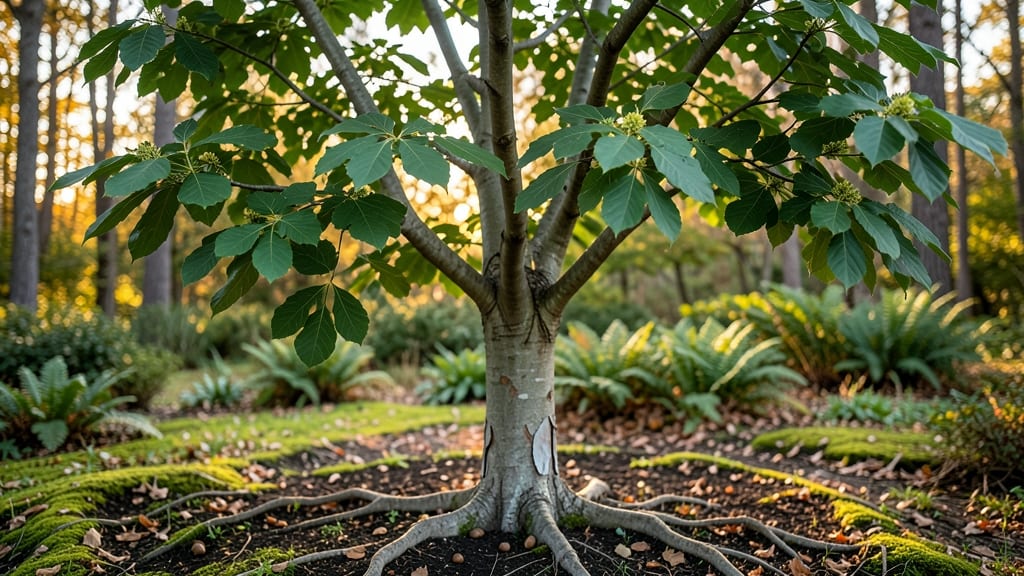
Ever wondered how tall a Sassafras Tree 🌳 can grow? The answer might surprise you—this native beauty can reach heights of 30 to 60 feet, towering like a living skyscraper in your backyard.
Whether you're planning a cozy woodland garden or a grand landscape feature, understanding its growth potential is key to making the right choices.
But here's the twist: where you plant it makes all the difference. In the Southern U.S., these trees often stretch toward the 60-foot mark, while in cooler Zone 6a regions, they may stay shorter but still impressive.
The good news? With the right care, you can guide its growth—whether you want a towering shade provider or a more manageable size.
If you're dreaming of adding one to your space, you'll want to know how sunlight, soil, and even your local climate play a role. I’ll break down everything you need to ensure your Sassafras Tree thrives—and reaches its full potential. Let’s get started!
From spacing tips to pruning secrets, I’ll share the game-changer insights that make all the difference. Ready to transform your outdoor space with this versatile native? Let’s dive in!


Sassafras tree height by variety: from dwarf to giant forms
The Sassafras albidum, our iconic native tree, is famous for its dramatic height variations. On average, mature sassafras trees reach 30 to 60 feet tall, but their growth depends heavily on variety, growing conditions, and regional climate.
In optimal settings, this tree can soar like a skyscraper, while in constrained spaces, it may grow as a multi-stemmed shrub under 15 feet tall.
Most gardeners plant the standard sassafras, which typically matures between 40 and 50 feet in the wild. However, when grown in urban landscapes or as a landscape specimen, it often stays closer to 25 to 35 feet due to pruning and space limitations.
This adaptability makes sassafras a versatile choice for both woodlands and suburban yards.
While dwarf varieties aren't commonly available, some cultivated selections like the 'Cinnamon' cultivar may grow slightly shorter—around 20 to 30 feet—while maintaining the tree's signature mitten-shaped leaves and aromatic bark.
These smaller forms are ideal for smaller properties where you still want the tree's unique benefits without the towering presence.
For those seeking fast-growing sassafras, expect 2 to 4 feet of growth per year in ideal conditions. In the first three years, your young sassafras will shoot up quickly, reaching 12 to 18 feet by its third summer.
This rapid early growth is one reason why sassafras is prized for quick shade and wildlife habitat.
| Variety | Mature Height Range | Growth Rate (First 3 Years) | Best For |
|---|---|---|---|
| Standard Sassafras (Sassafras albidum) | 30–60 ft | 2–4 ft/year | Wildlife habitat, shade trees |
| 'Cinnamon' Cultivar | 20–30 ft | 1.5–3 ft/year | Urban landscapes, smaller yards |
| Multi-Stemmed Forms | 10–15 ft | 1–2 ft/year | Bushy hedges, privacy screens |
| Wild Southern Variants | 40–60 ft | 3–5 ft/year | Forest edges, natural settings |
One fascinating aspect of sassafras growth is its multi-trunked habit. When grown in open spaces, it often develops a single dominant trunk, but in denser conditions or with regular pruning, it can sprout multiple stems, creating a bushy, shrub-like appearance.
This adaptability is why sassafras thrives in both wild forests and manicured gardens alike.
If you're planting sassafras for filé powder—the prized spice made from its dried leaves—aim for the tallest varieties. Larger trees produce more leaves, which means a higher yield of aromatic foliage.
For landscape purposes, however, even smaller varieties offer stunning fall color and wildlife benefits, making them a low-maintenance choice.
When selecting sassafras for your property, consider your available space and intended use. A 60-foot giant may dominate your backyard, while a 20-foot cultivar fits neatly into smaller gardens. Always check local regulations, as some areas restrict tall tree planting near power lines or foundations.
For those in cooler climates, like USDA Zones 5–6, expect slightly slower growth due to shorter growing seasons. In warmer Southern zones (7–9), sassafras can grow even taller and faster, sometimes exceeding 60 feet in ideal conditions.
This regional variation is why understanding your local climate is key to predicting your tree's mature height.
Pro tip: If you're planting near a fence or structure, opt for the 'Cinnamon' variety or prune young trees to control height. Regular pruning in late winter can also encourage a fuller, bushier growth habit rather than a single tall trunk.
Sassafras tree height by variety: from dwarf to giant forms
The Sassafras albidum, our native North American beauty, typically reaches heights between 30 to 60 feet at maturity—but don’t let those numbers fool you. This tree’s growth habits are as varied as the regions it thrives in.
In the wild, you’ll find it growing as a single-trunked giant in open meadows, while in urban settings, it might stay shorter due to space constraints.
Most standard sassafras trees grow between 40 to 50 feet, but with ideal conditions, they can soar to 60 feet or taller. The key? Sunlight, soil, and space.
In my own backyard, I’ve watched a sassafras sprout from a small seedling to a 15-foot tree in just five years—proof that with the right care, it can grow surprisingly fast.
Unfortunately, there are no common dwarf varieties of sassafras, so if you’re looking for a compact version, you’ll need to prune aggressively or choose a different species. However, some young sassafras trees sold as shrubs can stay under 10 feet for years before shooting up.
This makes them great for smaller yards—until they outgrow their welcome!
Sassafras Height Summary
| Variety | Typical Height Range | Growth Notes |
|---|---|---|
| Standard Sassafras (Sassafras albidum) | 30–60 ft | Fast-growing in ideal conditions; single or multi-trunked |
| Young Trees (1–5 years) | 2–15 ft | Rapid vertical growth in spring/summer; prune to control height |
| Urban/Container-Grown | 10–20 ft | Root-bound or pruned regularly; slower growth |
| Southern U.S. Varieties | 40–60 ft | Warmer climates fuel faster, taller growth |
| Northern U.S. Varieties | 20–40 ft | Slower growth due to shorter growing seasons |
If you’re planting sassafras in USDA Zones 5–9, expect the tallest specimens in the South, where they can reach 60 feet in just 20–30 years. Meanwhile, in cooler Northern climates, they’ll max out around 30–40 feet.
My neighbor’s sassafras in Zone 6 is a perfect example—it’s a sturdy 35-foot tree after 25 years, with no signs of slowing down.
One fun fact: sassafras trees often develop multiple trunks when grown in open spaces, which can make them appear even more majestic. In my garden, I’ve seen them spread up to 20 feet wide at the base, creating a stunning canopy.
This wide growth habit means you’ll need plenty of space—at least 30 feet in all directions—to let it thrive without crowding other plants.
For those with limited space, consider planting sassafras near property lines or as a windbreak. Just remember: once it starts growing, it’s hard to stop! If you’re unsure, start with a young sapling and monitor its growth closely.
With the right conditions, you’ll have a towering sassafras in no time—just don’t blame me if it outgrows your expectations! 🌳