
How To
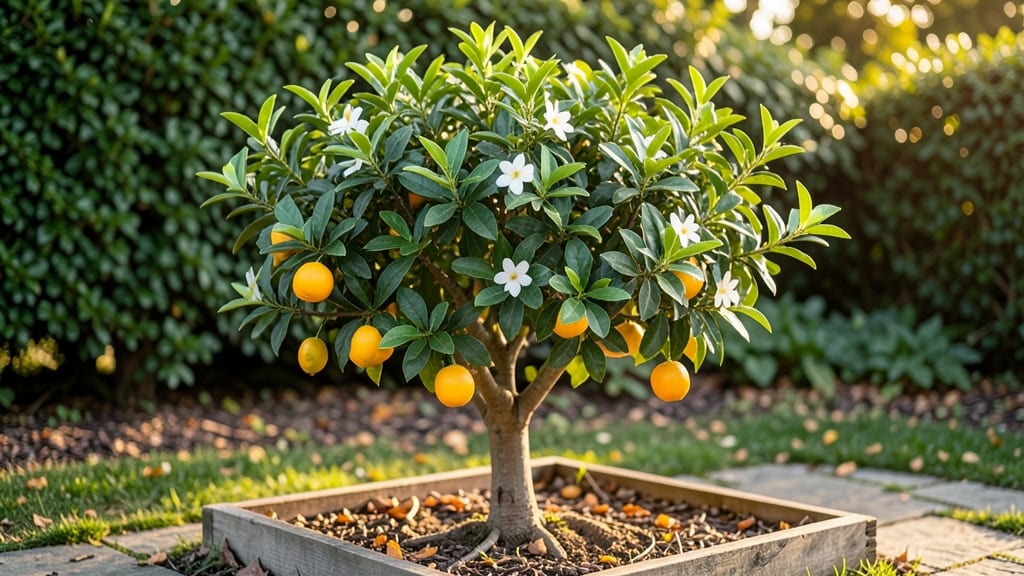
The key to managing your tangerine tree’s height lies in understanding its growth potential early.
Whether you’re working with a standard variety that needs room to stretch or a dwarf type designed for patios, knowing how tall these trees can grow helps you plan for pruning, spacing, and even container gardening.
Let’s break down the differences so you can pick the perfect fit for your garden.
For those with limited space, dwarf tangerine trees are a game-changer, offering all the sweet rewards without the towering presence. But even standard varieties can be shaped with the right care, making them adaptable to different environments. Ready to discover which size works best for your setup?
In this guide, we’ll compare dwarf vs. standard tangerine trees, explore how climate and pruning affect their growth, and share practical tips to keep your tree at your ideal height—whether that’s a cozy 6 feet or a majestic 20 feet. Let’s get started!


Standard tangerine tree height: how big can they really grow?
If you're dreaming of a backyard tangerine tree that produces homegrown citrus year after year, you might be wondering just how tall these trees can grow. Standard tangerine varieties like the popular Osceola and Dancy can reach impressive heights, often 15 to 25 feet at maturity.
That’s taller than most basketball hoops and nearly as tall as a two-story building! These trees thrive in warm climates, particularly in USDA zones 8–11, where they can grow rapidly with the right care.
In their first year, a standard tangerine tree typically grows 2 to 4 feet, but by year three, you can expect it to reach 10 to 12 feet.
With proper sunlight, water, and nutrients, these trees can continue growing another 5 to 10 feet per year until they reach their full height. Their spread is nearly as impressive, often 10 to 15 feet wide, so they need plenty of space to avoid crowding other plants or structures.
One of the biggest factors influencing a tangerine tree's height is pruning. Regular pruning not only helps control its size but also improves air circulation and fruit production. If left unpruned, these trees can grow even taller, but they may become difficult to manage and harvest.
Pruning in late winter or early spring is ideal, as it encourages new growth and keeps the tree at a manageable height for your space.
Another key consideration is the sunlight requirements of standard tangerine trees. They need at least 6 to 8 hours of full sun daily to grow to their full potential. Without enough sunlight, the tree may grow more slowly, produce fewer fruits, and become more susceptible to pests and diseases.
If you're planting in a cooler climate, consider using a greenhouse or container to protect the tree from frost and extend its growing season.
Here’s a quick look at what to expect from a standard tangerine tree over time:
| Growth Stage | Height Range | Spread Range | Care Tips |
|---|---|---|---|
| Year 1 | 2–4 ft | 2–3 ft | Water deeply, protect from frost |
| Year 3 | 10–12 ft | 8–10 ft | Prune for shape, fertilize in spring |
| Mature (10+ years) | 15–25 ft | 10–15 ft | Regular pruning, monitor for pests |
For those with limited space, it’s important to note that standard tangerine trees are best suited for larger yards or orchards. If you’re considering planting one in a smaller area, you’ll need to plan for regular pruning to keep it under control.
Alternatively, you might want to explore dwarf varieties, which are perfect for containers or small gardens and won’t grow nearly as tall.
When planting a standard tangerine tree, choose a location with well-draining soil and full sun exposure. Amend the soil with compost to improve drainage and fertility, as these trees are sensitive to waterlogged roots.
Mulching around the base of the tree helps retain moisture and regulate soil temperature, which is especially important during the hot summer months.
If you’re in a cooler climate, consider planting your tangerine tree near a south-facing wall or using a windbreak to protect it from cold winds. In areas where frost is a concern, you may need to container-grow the tree and bring it indoors during the winter months.
With the right care, even standard tangerine trees can thrive and produce delicious fruit for years to come.
One final tip: If you’re growing a standard tangerine tree for fruit production, be patient! These trees typically take 3 to 5 years to bear fruit, but once they do, they can produce hundreds of tangerines per year with proper care.
The key is consistency—providing the right amount of water, sunlight, and nutrients will ensure your tree grows strong and healthy.
Ready to bring a tangerine tree into your garden? Start by assessing your space and climate, then choose the variety that best fits your needs. Whether you opt for a towering standard tree or a compact dwarf, the reward of homegrown citrus is well worth the effort! 🍊🌳
Dwarf tangerine trees: the perfect space-saving solution for small gardens
If your garden space is limited but you still dream of fresh, homegrown tangerines, dwarf varieties are your best bet. These compact citrus trees mature between 3 to 8 feet tall—ideal for patios, balconies, or even large containers.
Unlike their towering standard cousins, dwarf tangerine trees thrive in small spaces while still producing abundant fruit.
Popular dwarf varieties like 'Flying Dragon' and 'Calamondin' are perfect for urban gardeners. The 'Flying Dragon' stays under 6 feet and blooms with fragrant white flowers, while 'Calamondin' tops out at 8 feet and offers a tangy, lime-tangerine hybrid fruit.
Both are hardy and adaptable, making them low-maintenance choices for beginners.
| Variety | Mature Height | Spread | Best For |
|---|---|---|---|
| Flying Dragon | 3–6 ft | 3–5 ft | Containers, patios, small yards |
| Calamondin | 6–8 ft | 5–7 ft | Balconies, indoor-outdoor spaces |
| Dwarf Murcott | 8–10 ft | 6–8 ft | Sunny corners, large containers |
To keep your dwarf tangerine tree at its ideal size, prioritize regular pruning during late winter or early spring. Remove any suckers (shoots growing from the base) and trim back overgrown branches by 20–30% to encourage bushier growth.
This not only controls height but also improves air circulation, reducing the risk of fungal diseases like citrus canker.
Container gardening is another game-changer for dwarf tangerine trees. Choose a pot at least 18–24 inches in diameter with drainage holes to prevent root rot. Use a well-draining citrus mix (50% potting soil, 30% perlite, 20% compost) and repot every 2–3 years to accommodate root growth.
Place the container in a spot that gets 6+ hours of sunlight daily—south-facing windows or balconies work perfectly.
One common misconception is that dwarf trees produce fewer fruits. In reality, their compact size often leads to earlier and more frequent harvests compared to standard trees.
With proper care, a 6-foot Flying Dragon can yield 50–100 tangerines per season, while a Calamondin may produce even more due to its prolific flowering nature. Just ensure you fertilize regularly during the growing season (spring to fall) with a balanced citrus fertilizer.
For gardeners in USDA zones 9–11, dwarf tangerine trees can often be grown outdoors year-round. In cooler zones (8 or below), bring potted trees indoors near a sunny window during winter or wrap the pot in bubble wrap to protect roots from freezing temperatures.
With the right variety and care, you’ll enjoy homegrown tangerines for decades—without sacrificing your garden’s limited space! 🌱