
How To
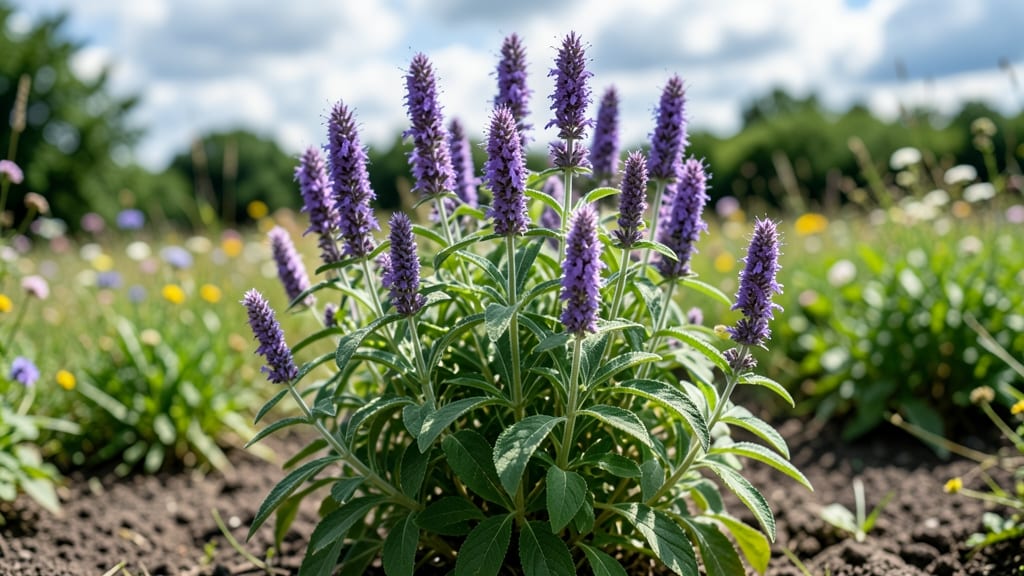
If you're wondering how tall does anise hyssop grow, you're not alone—many gardeners hesitate before planting this fragrant beauty because they're unsure how much space to dedicate to it.
This hardy perennial, with its delicate 🌸 blooms and sweet licorice scent, typically reaches a mature height of 3 to 5 feet, though some varieties stay shorter.
What makes anise hyssop such a great choice for full-sun gardens is its adaptability. Whether you're in USDA Zone 6a or beyond, this plant thrives with minimal fuss, making it perfect for both beginner and experienced gardeners.
The key to managing its height lies in understanding its growth habits and how to guide it for your specific garden layout.
In this guide, I'll break down everything you need to know—from the factors that influence its height to practical tips for keeping it lush and contained. Whether you're aiming for a tall pollinator magnet or a compact border plant, you'll learn how to shape anise hyssop to fit your vision.
Ready to transform your garden with this easy-care herb? Let's dive into how you can harness its natural growth patterns to create the perfect space for it—without sacrificing beauty or function.


Anise hyssop mature height range by variety and growing conditions
Anise hyssop (Agastache foeniculum) typically reaches a mature height of 3 to 5 feet under ideal conditions, but its exact height depends on factors like cultivar selection, sunlight exposure, and pruning practices.
This fragrant perennial thrives in full sun gardens and can become a stunning vertical accent or pollinator magnet when given proper care.
For gardeners planning layouts, knowing these height variations helps you decide whether to use anise hyssop as a back-of-border plant, a pollinator hedge, or even a container specimen. Some varieties stay compact, while others grow tall—making spacing decisions critical for a well-balanced design.
Here’s what you need to know about anise hyssop’s height range, including cultivar-specific expectations and how to influence growth for your garden’s needs.
| Variety | Mature Height | Sunlight Needs | Pruning Needs | Best For |
|---|---|---|---|---|
| 'Blue Fortune' | 3–4 ft | Full sun | Light pruning | Pollinator beds |
| 'Golden Lamb' | 2–3 ft | Full sun | Minimal pruning | Container gardens |
| 'Patriot' | 4–5 ft | Full sun | Regular pruning | Back borders |
| Standard (Wild Type) | 3–5 ft | Full sun to part shade | Moderate pruning | Wildlife gardens |
The 'Blue Fortune' variety is a favorite for pollinator gardens, typically reaching 3 to 4 feet with its striking lavender-blue flowers. Meanwhile, 'Golden Lamb' stays shorter at 2 to 3 feet, making it ideal for container gardening or small-space landscapes.
If you’re aiming for a dramatic backdrop plant, the 'Patriot' cultivar can grow up to 5 feet tall.
Environmental factors also play a role in height. Anise hyssop grown in rich, well-draining soil with 6+ hours of sunlight daily will reach its maximum height. In shadier conditions or poor soil, expect plants to stay shorter—often around 2 to 3 feet.
This makes it a versatile choice for gardens with varying light conditions.
Pruning is another way to influence height. If you want a bushier, more compact plant, pinch back the tips in early summer. For taller growth, avoid heavy pruning. Just remember: anise hyssop’s height isn’t just about aesthetics—it also affects its ability to attract pollinators like bees and butterflies.
In USDA Hardiness Zones 5–9, anise hyssop is a perennial, meaning it will return year after year, gradually increasing in size. In colder zones (like Zone 5), young plants may need winter mulch to protect their roots and encourage robust growth the following spring.
For gardeners in containers, choose dwarf varieties or prune regularly to keep plants under 2 feet. Even in pots, anise hyssop thrives with well-draining soil and consistent sunlight, making it a great option for balconies or patios.
When planning your garden, leave 2 to 3 feet of space between plants if you’re aiming for a dense pollinator border. For a more open, natural look, space them 3 to 4 feet apart. This ensures airflow and reduces the risk of fungal diseases like powdery mildew.
🌿
Anise hyssop mature height range by variety and growing conditions
Anise hyssop (Agastache foeniculum) typically reaches a mature height of 2 to 4 feet, though some varieties can stretch up to 5 feet under ideal conditions.
This fragrant perennial thrives in full sun gardens and adapts well to various soil types, making it a versatile choice for pollinator-friendly landscapes.
Understanding its height range helps you plan spacing and companion plants. For example, placing it 18 to 24 inches apart ensures airflow and prevents overcrowding, which can stunt growth or encourage leggy stems.
The summary table below breaks down height expectations by popular cultivars and key growing factors like sunlight exposure and soil quality.
Soil quality plays a critical role in determining height. Poor drainage or nutrient-deficient soil can stunt growth, while rich, well-amended soil encourages taller, bushier plants. For example, adding compost or aged manure before planting can boost height by up to 12 inches.
Pruning also influences height. Regular deadheading (removing spent flowers) redirects energy to leafy growth, while hard pruning in early spring keeps plants 2–3 feet tall for smaller gardens. Always use clean, sharp shears to avoid disease.
In USDA Zones 5–9, anise hyssop is perennial, returning year after year with consistent height. In colder zones, mulch heavily in fall to protect roots and maintain vigor for the next growing season.