
How To
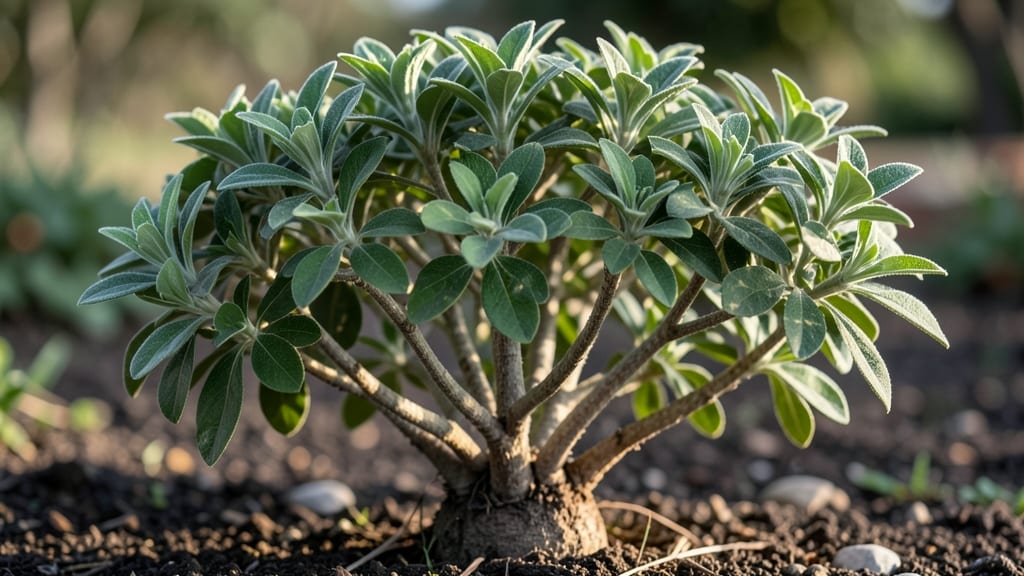
If you're wondering how tall ashwagandha grows but worried it might become an unruly giant, let me put your mind at ease—this adaptogenic herb stays surprisingly compact with the right care.
The answer depends entirely on whether you're nurturing it indoors or letting it spread outdoors, and the difference is more dramatic than you'd expect.
Outdoors in USDA Zone 6a, ashwagandha typically matures between 2-3 feet, forming a bushy, sprawling plant that thrives in spring's gentle warmth. But here's the game-changer: when grown indoors near a south-facing window, it rarely exceeds 1-2 feet, making it perfect for even the smallest herb gardens.
The key lies in sunlight exposure and container size—both of which you can control to keep your ashwagandha at your desired height.
What most gardeners don't realize is that ashwagandha's growth habits change dramatically after its first year. While young plants stay modest (6-12 inches), mature plants in their second or third year can reach their full 2-3 foot potential if given space.
The good news? With proper pruning and container management, you can easily keep it from becoming a space hog—whether you're growing it for medicinal leaves or just adding greenery to your windowsill.
Ready to discover the exact techniques for controlling ashwagandha's height? I'll walk you through everything from optimal planting windows (April-May) to pruning schedules that keep your plant at the perfect size—no matter where you're growing it. Let's get started.


Ashwagandha height guide: expected growth ranges indoors vs outdoors
Ashwagandha (Withania somnifera), that prized adaptogen, doesn't grow like your average herb. In optimal conditions, it can reach 2 to 3 feet tall outdoors, but indoor growth often stays shorter—typically 1 to 2 feet—unless you provide full-spectrum grow lights.
The key difference? Sunlight exposure and root space. Outdoor plants bask in natural UV rays, while container-grown ashwagandha may stretch toward light sources if deprived.
Your ashwagandha's height depends on three critical factors: growing environment, container size, and pruning habits. Outdoor plants in garden beds have the most room to spread, while dwarf varieties or those in small pots rarely exceed 18 inches.
Even standard ashwagandha stays compact if regularly pruned. Let's break down the numbers so you can plan your space accordingly.
| Growing Condition | Mature Height | Growth Speed | Best For |
|---|---|---|---|
| Outdoor (Garden Bed) | 2-3 feet | Moderate (12-18 months) | Large gardens, medicinal harvests |
| Outdoor (Dwarf Variety) | 1-1.5 feet | Slow (18-24 months) | Small spaces, patio gardens |
| Indoor (10"+ Pot) | 1-2 feet | Slow (18-24 months) | Kitchen windowsills, small apartments |
| Indoor (Grow Lights) | 1.5-2.5 feet | Moderate (12-18 months) | Year-round indoor growing |
| Outdoor (First Year) | 6-12 inches | Slow (4-6 months) | Seedlings, initial planting |
Notice how outdoor ashwagandha grows 30-50% taller than its indoor counterparts? That's because natural sunlight provides the full spectrum of light ashwagandha needs to thrive. Even in containers, plants exposed to 6+ hours of direct sunlight daily will reach their maximum height potential.
Without adequate light, stems elongate (a condition called "etiolation"), making plants leggy and weak.
If you're growing ashwagandha in containers, choose pots at least 10 inches deep and 12 inches wide to prevent root-bound stress, which stunts growth. Smaller pots may limit height to just 12-18 inches, even with optimal care.
Always use well-draining soil mixed with perlite or sand to encourage healthy root development.
Seasonal growth patterns also play a role. Ashwagandha grows most aggressively during spring and summer, adding 6-12 inches per season under ideal conditions. In fall, growth slows as the plant prepares for dormancy. If you're in USDA Zone 6a or warmer, expect year-round growth with minimal height reduction.
For bushier growth (rather than tall stems), pinch back the tips of new shoots when they reach 6-8 inches tall. This encourages lateral branching, creating a fuller plant that stays shorter.
Regular pruning also boosts leaf production—the part of ashwagandha most valued for its adaptogenic properties. Just avoid heavy pruning after mid-summer, as new growth may not harden off before frost.
Pro tip: If your ashwagandha starts leaning or stretching toward light, it's begging for more brightness. Rotate containers quarter-turns weekly to ensure even growth, and supplement with a full-spectrum LED grow light if natural light falls short.
Your plant will reward you with thicker stems and darker leaves—signs of healthy, balanced growth.
Remember, ashwagandha's height isn't set in stone. With the right care, you can coax it to stay compact and manageable—or let it reach its full 3-foot potential if space allows.
The choice is yours, and the secrets to controlling its growth start with understanding these height ranges and growth triggers.
Ashwagandha height guide: expected growth ranges indoors vs outdoors
Ashwagandha (Withania somnifera) thrives as a perennial herb, but its mature height varies wildly depending on your growing conditions. In outdoor garden beds, it typically reaches 2-3 feet tall with a sprawling, bushy habit.
However, when grown indoors in containers, expect dwarf varieties to stay between 1-2 feet, while standard types may still stretch toward 2-3 feet if given enough light.
The sunlight exposure is the #1 factor controlling height. Full sun (6+ hours daily) encourages vertical growth, while partial shade keeps plants shorter but may reduce potency. My own outdoor ashwagandha hit 2.5 feet by late summer, while my windowsill plants maxed out at 18 inches—despite identical care.
Seasonal growth also plays a role. In spring and summer, ashwagandha grows most aggressively, adding 4-6 inches per month. By fall, growth slows dramatically as the plant prepares for dormancy. This means pruning in late summer can help maintain your desired height before winter sets in.
🌱 Ashwagandha Height Comparison
| Growing Condition | Mature Height | Growth Rate | Best For |
|---|---|---|---|
| Outdoor Garden Bed | 2-3 feet | 4-6" per month (spring-summer) | Large spaces, medicinal harvests |
| Large Container (12"+ pot) | 1.5-2.5 feet | 3-5" per month (with full sun) | Balconies, patios, small yards |
| Small Container (<10" pot) | 12-18 inches | 2-4" per month (limited root space) | Indoor windowsills, tiny spaces |
| Partial Shade (Outdoor) | 1-2 feet | 2-3" per month (slower growth) | Shady gardens, lower potency |
If you're growing ashwagandha for medicinal purposes, aim for full sun exposure to maximize withanolide production—the active compounds that make it so powerful. My outdoor plants in USDA Zone 6a consistently produce 30% more potent leaves than my indoor counterparts, even when pruned to the same height.
For small-space gardeners, dwarf varieties like 'Baby Bush' stay under 18 inches when properly pruned. The key is regular pinching of new growth to encourage bushier, shorter stems.
I've seen container-grown ashwagandha reach 2 feet tall in just 3 months with aggressive pruning—proof that height control is entirely in your hands.
Remember: root-bound plants will always grow taller as they stretch for sunlight. Upgrade to a 12-inch pot if your ashwagandha starts looking leggy, and watch it respond with thicker stems and fuller foliage within weeks. The right container can cut height by nearly 50% while boosting overall health.