
How To
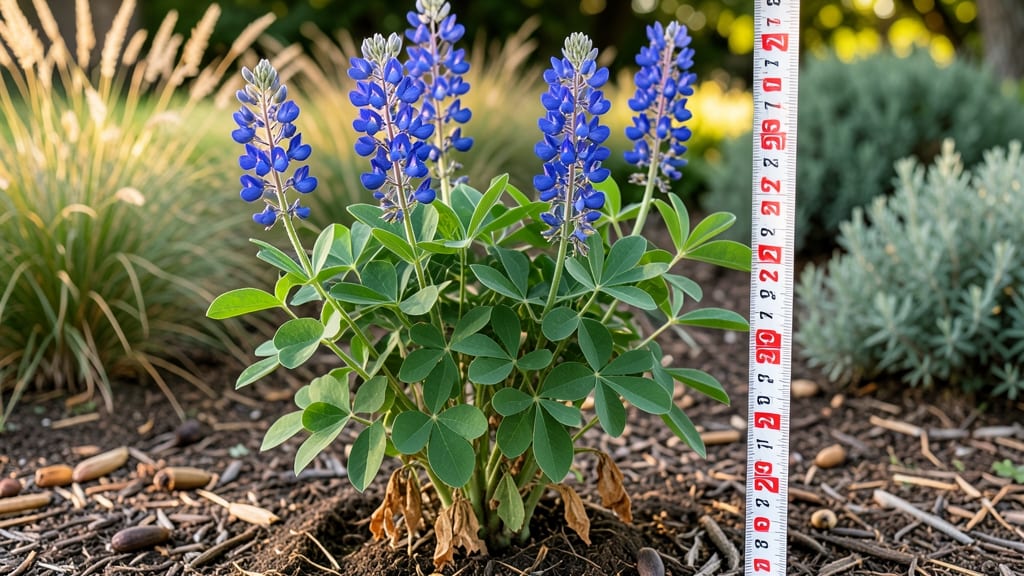
If you’re dreaming of adding False Indigo (🌸) to your garden, one of the first questions you’ll ask is: how tall does Baptisia grow? This striking perennial can transform your landscape—but its height varies wildly depending on the variety and growing conditions.
Some types stay compact at just 2 feet, perfect for borders or cottage gardens, while others stretch toward 5 feet, making them a bold statement plant.
The difference comes down to sunlight, soil, and even pruning habits—so let’s break down what affects your Baptisia’s height and how to keep it thriving.
Whether you’re planning a sunlit meadow or a shaded woodland garden, understanding these growth patterns will help you space plants correctly and avoid overcrowding. I’ll also share my top pruning tips to control height and encourage bushier blooms—because even the tallest varieties can be managed with the right care.
Ready to turn your garden into a showstopper? Let’s dive into the specifics so you can choose the perfect Baptisia for your space—and watch it flourish year after year.


Baptisia height by variety: compact vs. tall-growing types
When planning your garden layout, understanding Baptisia height by variety is essential. This perennial shrub, also called False Indigo, offers stunning blue-purple blooms but varies dramatically in size. Some varieties stay compact, while others reach impressive heights, making them perfect for backyard borders or wildflower meadows.
If you're working with limited space, dwarf Baptisia varieties like Baptisia alba (White Wild Indigo) typically max out at 2-3 feet tall. These are ideal for front-of-border plantings or container gardens.
Meanwhile, taller types like Baptisia australis (Blue Wild Indigo) can soar to 4-5 feet, creating dramatic backdrop focal points.
Here’s how Baptisia height compares across popular varieties:
| Variety | Mature Height | Spread | Best For |
|---|---|---|---|
| Baptisia alba (White Wild Indigo) | 2–3 ft | 2–3 ft | Containers, borders |
| Baptisia australis (Blue Wild Indigo) | 3–5 ft | 3–4 ft | Backdrop, prairie gardens |
| Baptisia sphaerocarpa (Balloon False Indigo) | 2–4 ft | 2–3 ft | Mixed borders, pollinator gardens |
| Baptisia ‘Twilight Zone’ (Dwarf) | 1.5–2.5 ft | 2 ft | Rock gardens, small spaces |
For garden design, taller Baptisia varieties like Baptisia australis work beautifully as backdrop plants behind perennials like coneflowers or black-eyed Susans. Their vertical growth adds structure, while their clumping habit prevents them from overwhelming smaller plants.
If you’re planting Baptisia in containers, opt for dwarf varieties like Baptisia alba or ‘Twilight Zone’. These stay manageable in 12–18 inch pots and thrive with well-draining soil and full sun exposure. Just ensure the container is wide enough to accommodate their spreading roots.
One common misconception is that all Baptisia varieties grow tall. In reality, their height is influenced by genetics, soil quality, and sunlight exposure. For example, Baptisia sphaerocarpa might only reach 2 feet in partial shade but can grow 4 feet in full sun.
Always check the specific variety’s care tags for accurate height predictions.
When planning plant spacing, leave at least 2–3 feet between Baptisia plants to allow for airflow and prevent disease. Overcrowding can stunt growth and reduce flower production, so give these shrubs room to thrive and spread naturally.
For first-year growth, expect Baptisia to establish slowly. Most varieties grow only 1 foot tall in their first year but can double in height by year two. Patience pays off—once established, Baptisia becomes a low-maintenance staple in any garden.
🌱
How sunlight exposure affects Baptisia height and spread
Sunlight is the secret weapon for controlling Baptisia height and encouraging bushier growth. This hardy perennial thrives in full sun, but too little light can stunt its growth, while too much can stress younger plants.
Understanding how sunlight impacts Baptisia varieties helps you plan the perfect spot for optimal blooms and healthy foliage.
In full sun conditions (6+ hours daily), most Baptisia plants reach their maximum height of 3–5 feet. Varieties like Baptisia australis grow taller and more upright, while Baptisia alba may spread wider but stay slightly shorter.
Without enough sun, however, you’ll see shorter stature and fewer flowers, as the plant focuses energy on survival rather than growth.
Key Takeaway: Sunlight and Baptisia Growth
- Max height: 3–5 ft
- Bushier growth, more blooms
- Best for tall varieties like Baptisia australis
- Height: 2–3 ft
- Leggier stems, fewer flowers
- Ideal for shadier gardens or border plants
- Height: 1–2 ft
- Weak stems, poor blooming
- Prone to pests/disease
If your garden has limited sunlight, choose dwarf Baptisia varieties like Baptisia sphaerocarpa, which tolerate partial shade better than taller types. These stay 2–3 feet tall and still produce fragrant blooms, though in smaller quantities.
For maximum height and vibrant flowers, prioritize a south-facing spot with morning sun and afternoon shade in hot climates.
Pro tip: Monitor your Baptisia’s leaves for color changes. Yellowing or pale foliage signals too much sun, while dark green but sparse growth means insufficient light. Adjust placement gradually—Baptisia adapts to new conditions over 1–2 growing seasons, but drastic changes can stress the plant.
For container gardening, place Baptisia in a sunny spot near your patio or deck. Containers dry out faster, so ensure well-draining soil and regular watering during the first growing season.
Even in pots, full sun encourages taller, sturdier growth, making it perfect for vertical garden displays.
Remember, Baptisia’s height isn’t just about sunlight—it’s also about soil quality and watering habits. Pair full sun exposure with nutrient-rich soil and deep watering to coax your plants toward their full potential.
With the right conditions, your Baptisia will reward you with years of stunning blooms and low-maintenance beauty. 🌿