
How To
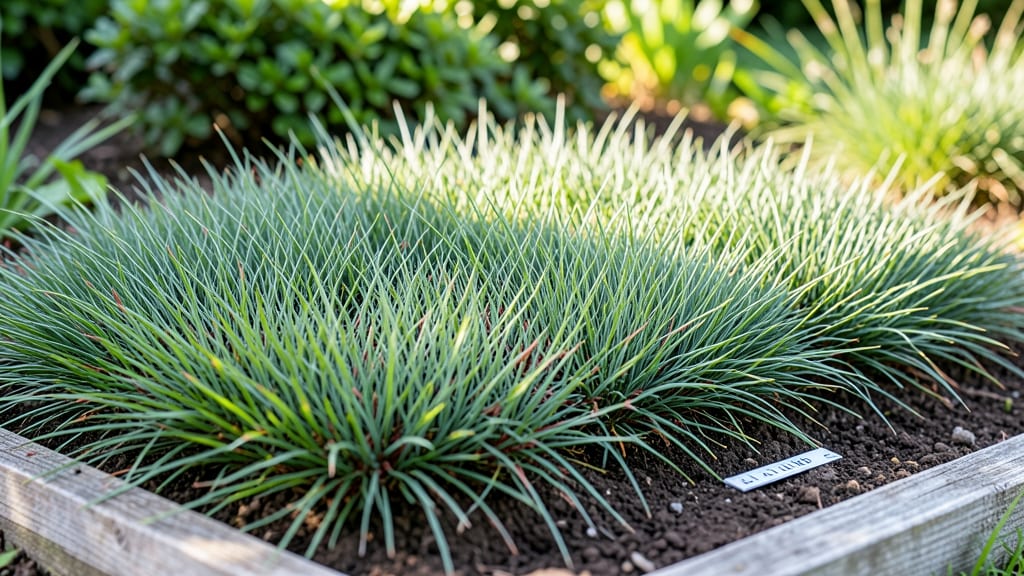
If you're wondering how tall does creeping red fescue grow, the answer might surprise you—this isn’t your typical towering turf grass. At just 3 to 6 inches tall, it’s the perfect choice for a neat, low-maintenance lawn that stays put without overpowering your yard.
Unlike aggressive grasses that shoot up, creeping red fescue spreads horizontally, creating that dense, carpet-like look we all love.
What makes this grass so special is its ability to thrive in shady spots where other varieties struggle. Whether you’re dealing with dappled sunlight or full shade, it stays lush and green—no extra fuss required.
Plus, its compact size means you won’t waste time battling a mower to keep it tidy. It’s the kind of grass that works hard so you don’t have to.
But here’s the thing: if you let it grow too tall, you’ll start seeing thinning patches and weeds sneaking in. That’s why knowing the ideal height is the key to a flawless lawn.
I’ll show you exactly how to keep it at its best, from mowing tips to soil care tricks that make all the difference. Ready to transform your yard into a low-maintenance oasis?
Whether you’re planting new seeds or just curious about your existing lawn, understanding creeping red fescue’s growth habits will save you time—and headaches. Let’s dive into how to keep it looking its best year-round, no matter where you live in USDA Zone 6a or beyond.


Creeping red fescue height range: what to expect and how it compares
Creeping red fescue (Festuca rubra) is a low-growing grass that tops out at 3 to 6 inches when mature, making it ideal for dense, carpet-like lawns. Unlike taller grasses like Kentucky bluegrass, it stays short and dense, resisting matting and providing excellent ground cover.
This cool-season grass thrives in USDA Zones 4-8, adapting well to shady or moist areas where other grasses struggle.
At its mature height of 3–6 inches, creeping red fescue is perfect for erosion control on slopes or as a low-maintenance lawn in high-traffic areas. Its spreading habit fills gaps naturally, reducing the need for overseeding.
Unlike fine fescue (which stays under 2 inches) or tall fescue (which reaches 12–15 inches), this variety strikes a balance between density and manageability.
Here’s how its height compares to other popular grasses at maturity:
| Grass Type | Mature Height | Growth Habit | Best For |
|---|---|---|---|
| Creeping Red Fescue | 3–6 inches | Low, spreading | Shade, erosion control |
| Fine Fescue | 1–2 inches | Dense, fine texture | Drought-prone areas |
| Tall Fescue | 12–15 inches | Upright, coarse | Full sun, high traffic |
| Kentucky Bluegrass | 2–4 inches | Bunching | Sunny lawns |
Seasonal growth patterns affect creeping red fescue’s height. In spring and fall, it grows most actively, reaching its full 6-inch potential if unchecked. During summer dormancy, growth slows, and the grass may shrink to 2–3 inches without regular care.
In winter, it stays dormant but retains its low profile, making it ideal for year-round aesthetics.
Mowing plays a critical role in maintaining its height. If you set your mower to 2.5–3.5 inches, you’ll encourage dense growth while preventing thinning. Skipping mows or setting the blade too high can lead to overgrowth and weed invasion, while cutting too short stresses the grass.
For a neat, professional look, aim for the 3-inch mark during peak growth seasons.
Creeping red fescue’s shade tolerance is another factor influencing its height. In low-light conditions, it may stay shorter (around 2–4 inches) but remains thicker and more resilient than sun-loving grasses.
This adaptability makes it a top choice for woodland edges, under trees, or north-facing yards where other grasses fail.
To maximize its density and height control, pair proper mowing with regular watering (1 inch per week) and annual fertilization (balanced 10-10-10 in early spring). Avoid heavy foot traffic during establishment (first 6–8 weeks), as compacted soil can stunt growth.
With the right care, your creeping red fescue will stay lush, low, and weed-free for years.
If you’re comparing it to fine fescue blends, note that creeping red fescue is hardier and more aggressive in spreading, making it better for high-traffic areas.
For ultra-low lawns (under 2 inches), fine fescue wins, but creeping red fescue offers the best balance of height, durability, and shade tolerance for most homeowners.
Pro tip: Use a sharp mower blade to avoid tearing the grass, which can invite disease. A mulching mower returns clippings to the soil, providing natural nitrogen and reducing height buildup. This simple habit keeps your lawn healthy, green, and consistently 3–6 inches tall.
Creeping red fescue height range: what to expect and how it compares
Creeping red fescue (Festuca rubra) typically matures between 3 and 6 inches tall—perfect for a dense, low-maintenance lawn that stays lush without requiring constant trimming. Unlike taller grasses like Kentucky bluegrass, its spreading habit (not upright growth) keeps it compact while filling in bare spots beautifully.
This makes it ideal for shady areas where other grasses struggle.
At maturity, creeping red fescue grows horizontally more than vertically, forming a thick turf that stays 1–2 inches shorter than fine fescue blends. Its dwarf stature (compared to 3–4 feet for tall fescue) means you’ll spend far less time mowing—just 2–3 times per season to maintain its ideal height.
The key is understanding how its growth habit differs from other fescues.
| Grass Type | Mature Height | Growth Habit | Best For |
|---|---|---|---|
| Creeping Red Fescue | 3–6 inches | Spreading, low-growing | Shade, erosion control, low-maintenance lawns |
| Fine Fescue Blends | 2–4 inches | Bunch-type, fine texture | Drought-prone areas, high-traffic zones |
| Tall Fescue | 3–4 feet | Upright, coarse blades | Full sun, high-wear lawns |
Seasonal variations play a role in creeping red fescue’s height. In spring and fall, when growth is most active, it may reach the upper end of its range (5–6 inches) if left unmowed.
However, summer dormancy (common in hot climates) can reduce its height to 1–2 inches as the grass conserves water. This natural fluctuation is why many gardeners set their mowers to 2 inches—high enough to avoid scalping but low enough to discourage excessive growth.
Comparing creeping red fescue to other shade-tolerant grasses, it outperforms in density and drought resistance. While fine fescue stays slightly shorter (2–4 inches), creeping red fescue’s aggressive spreading means it crowds out weeds more effectively.
For erosion-prone slopes, its shallow root system (though not as deep as Kentucky bluegrass) helps stabilize soil while maintaining a neat, manicured look.
To keep creeping red fescue at its ideal height of 2–3 inches, mow every 7–10 days during growing seasons. Use a sharp mower blade to avoid tearing the grass—this reduces stress and encourages thicker growth.
In partial shade, you might see slightly taller blades (up to 4 inches), but regular mowing will keep it in check. The goal? A velvety lawn that’s easy to maintain without sacrificing beauty.
If you’re using creeping red fescue for ground cover (e.g., under trees or along walkways), its 3–6 inch height provides just enough coverage to suppress weeds while staying low enough to avoid tripping hazards.
Pair it with mulch to retain moisture, and you’ll have a self-sustaining lawn that thrives where other grasses fail. For best results, plant in early fall when temperatures are cool—this gives roots time to establish before winter dormancy.